Deputy General Secretary of the National Democratic Congress (NDC), Mustapha Gbande, has urged Ghana's political parties to put aside their differences and work together to combat the country's growing drug trafficking problem. Speaking on Adom FM's Dwaso Nsem, Mr Gbande warned that the issue should not be turned into a partisan contest, as its consequences could extend beyond individuals directly involved. He emphasized that cocaine trafficking does not belong to any political party and should not be treated as an NPP or NDC issue.
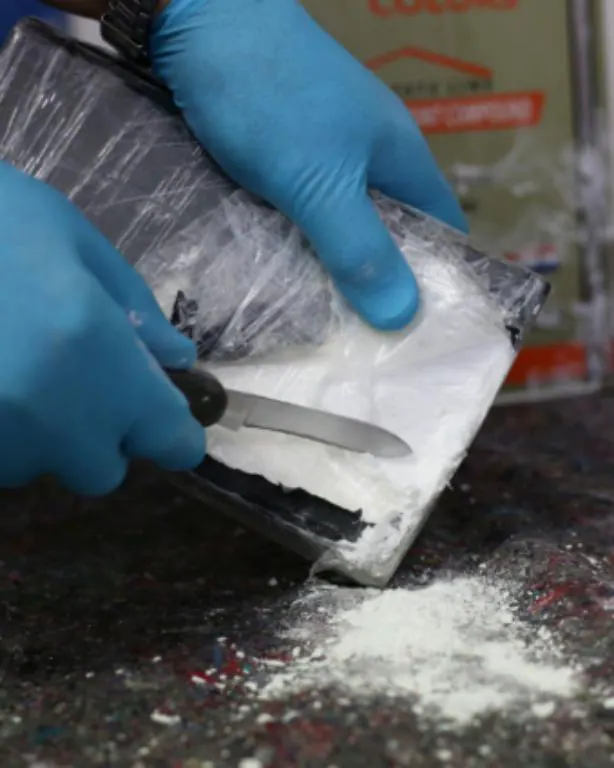
Mr Gbande's comments follow a press conference by the opposition New Patriotic Party (NPP), which raised concerns over recent cocaine seizures linked to Ghana and called for investigations and accountability. However, Mr Gbande questioned the value of the NPP's press conference, arguing that political actors who claim to have information on the trade should provide concrete evidence to the relevant authorities. He stressed that making allegations without supporting evidence does little to help security agencies uncover the networks behind the illicit trade.
According to Mr Gbande, the NPP's press conference was "a no-no" and expected the party to provide evidence or identify persons allegedly involved if it wanted to contribute meaningfully to the fight. He maintained that attributing the recent drug cases solely to the current administration could further politicize a problem that requires a broader national response. Mr Gbande urged the NPP and NDC to put political differences aside and work towards a common response to the illicit drug trade.
Mr Gbande warned that Ghana's reputation could suffer if the country becomes associated with international drug trafficking, potentially affecting ordinary citizens traveling abroad. He stressed that the potential consequences would be felt by Ghanaians irrespective of their political affiliations. If someone is traveling and suffers some inhumane treatment because of this issue, Mr Gbande said, it would be a consequence of the country's failure to address the problem.
The Deputy General Secretary of the NDC argued that political parties should instead present any credible intelligence they have to the appropriate security agencies to support ongoing investigations. He emphasized that the issue should concern every Ghanaian, as its impact will be felt by all. Mr Gbande called for a united front to deal with the problem, stating that it is not an issue for any one political party to claim ownership of.
The recent cocaine seizures have sparked concerns and calls for action from various stakeholders. The Minority has petitioned the Speaker to recall Parliament to discuss the issue. The NPP has demanded the immediate removal of institutional heads over drug trafficking cases. Against this backdrop, Mr Gbande's call for a united front aims to promote a collaborative approach to addressing the problem.
As the issue continues to unfold, stakeholders are watching closely to see how the government and political parties respond. Mr Gbande's comments have added to the growing debate on the need for a comprehensive and collaborative approach to combating drug trafficking in Ghana. The country's reputation and the well-being of its citizens depend on the effectiveness of the response to this growing concern.
Key points
- Mustapha Gbande urges a united national response to combat growing drug trafficking concerns in Ghana.
- The Deputy General Secretary of the NDC warns against politicizing the issue, as its consequences extend beyond individuals directly involved.
- Mr Gbande calls for the NPP and NDC to put aside their differences and work together to address the problem.