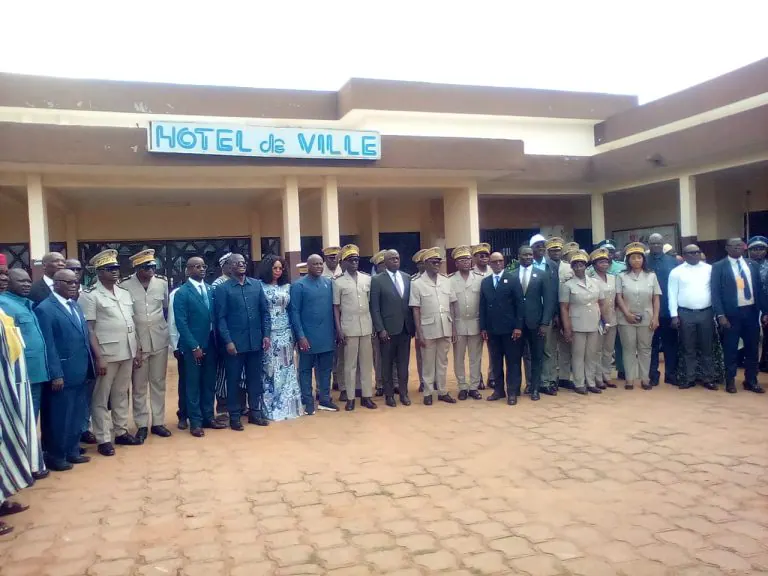
A parliamentary delegation from Côte d'Ivoire's Rassemblement des Houphouëtistes pour la démocratie et la paix (RHDP) party, led by National Assembly Vice-President Wohi Mela Gaston, held a meeting with residents of Katiola on September 22, 2026. The session, which took place at the Nielbien Alphonse wedding hall in the Katiola town hall, aimed to engage the local population in discussions on several key legislative projects.
The meeting provided a platform for lawmakers to present the main outlines of various bills and collect observations, concerns, and contributions from participants. The discussions focused on several key areas, including the 2026-2030 National Development Plan (PND), rural land ownership, combating illegal gold mining, medical biology, and regulating and promoting agricultural products.
The delegation's outreach effort aimed to bring lawmakers closer to the people and foster better understanding of proposed legislation. By engaging with residents, lawmakers sought to address local concerns and gather input on key issues affecting the Hambol region. This approach enables lawmakers to explain the bills being examined in parliament while collecting feedback from the population.
The discussions highlighted concerns about local development, securing rural land, environmental protection, and improving living conditions. The issue of illegal gold mining was a significant topic, given its impact on agricultural land, natural resources, and the environment. Participants expressed concerns and proposed measures to strengthen efforts to combat this phenomenon.
The agricultural sector was also a major focus, with discussions centered on measures to better regulate production and marketing of agricultural products and provide greater support to rural actors. Additionally, issues related to medical biology and healthcare were addressed during the meeting, which aimed to strengthen dialogue between lawmakers and the population.
According to Wohi Mela Gaston, these parliamentary outreach sessions are essential for explaining proposed legislation to the population and collecting their input. He emphasized that this approach helps bridge the gap between lawmakers and the people, promoting a better understanding of the bills being examined in parliament. All lawmakers representing the Hambol region attended the meeting, presenting 10 out of 27 bills being considered in the first parliamentary session.
The parliamentary delegation's engagement with Katiola residents reflects the government's efforts to promote participatory governance and ensure that legislative projects align with the needs and concerns of local communities. By engaging with residents and collecting their input, lawmakers can make more informed decisions and craft legislation that addresses the region's specific challenges.
Key points
- The parliamentary delegation discussed several key legislative projects, including the 2026-2030 National Development Plan and measures to combat illegal gold mining.
- The meeting provided a platform for lawmakers to collect observations, concerns, and contributions from participants, ensuring that local voices are heard in the legislative process.
- The engagement reflects the government's efforts to promote participatory governance and ensure that legislative projects align with local needs and concerns.