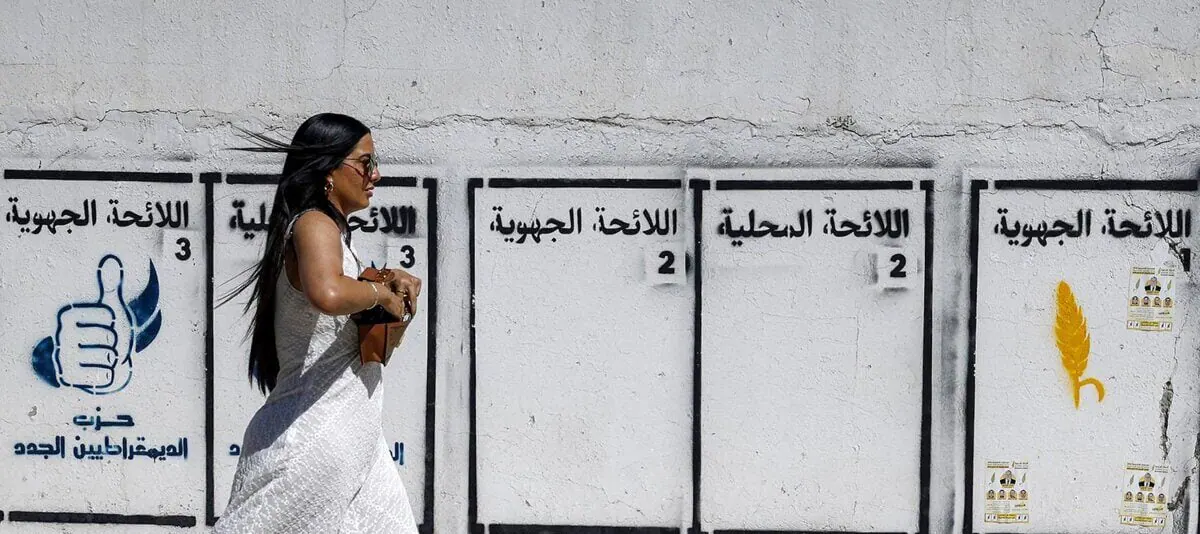
Morocco's legislative elections have seen a significant number of female candidates, with women representing 2,658 out of 7,288 candidates, accounting for 36.47%. However, this proportion hides an uneven distribution between regional and local constituencies. A total of 1,783 women are running in regional constituencies, which are now reserved for women, while only 875 women are competing in local constituencies.
The most notable disparity lies in the position within the lists, with only 121 women leading local lists out of 1,615, which translates to approximately 7.5%. In a proportional voting system, the head of the list determines the actual likelihood of being elected. This raises concerns about the effectiveness of women's participation in the electoral process.
The regional constituency mechanism has undergone changes for this election. Previously, it was based on an obligation to have women on the lists, but now these seats are exclusively reserved for female candidates. Additionally, there is an incentive system that rewards regional lists composed entirely of candidates aged 35 or younger with financial benefits.
Women's rights organizations have formulated four key criticisms of the current electoral process. Firstly, they emphasize the quality of the positioning in the lists rather than just the volume of candidatures. Secondly, they raise concerns about the campaign conditions, citing documented cases of targeting and digital harassment against female candidates.
The third criticism concerns access to the necessary financial resources for a campaign, while the fourth objection questions the influence of family ties in the selection of candidatures. One organization summarized the central objection: the overall increase in the number of female candidates is not enough, on its own, to measure progress in women's political participation.
The Mouvement pour une démocratie paritaire had previously denounced the rejection of lists led by women, requesting that these decisions be justified. This highlights the ongoing challenges faced by women in Moroccan politics, despite efforts to increase their representation.
As the elections approach, it remains to be seen whether the concerns raised by women's rights organizations will be addressed. The fact that only 121 women are leading local lists out of 1,615 underscores the need for further action to promote women's participation and equality in Moroccan politics.
Key points
- Only 121 women lead local lists in Morocco's legislative elections, accounting for approximately 7.5% of total local lists.
- Women's rights organizations have raised concerns about the quality of positioning in lists, campaign conditions, access to financial resources, and the influence of family ties.
- The Mouvement pour une démocratie paritaire has denounced the rejection of lists led by women, requesting justification for these decisions.