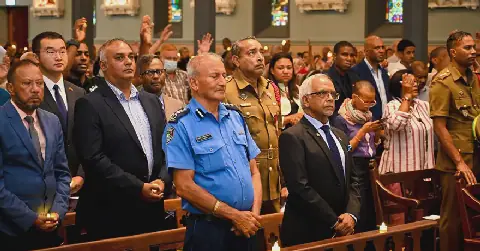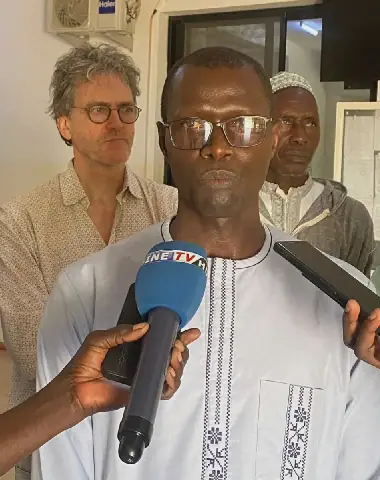
On November 6, 2026, Mustapha El Ktiri, High Commissioner for former resistance fighters and members of the liberation army, commemorated the 51st anniversary of the Green March, a pivotal event in Morocco's history. El Ktiri described the Green March as a unique and peaceful approach adopted by Morocco to reclaim its legitimate rights and complete its territorial integrity. The event was marked by a meeting organized by the High Commission for former resistance fighters and members of the Liberation Army.
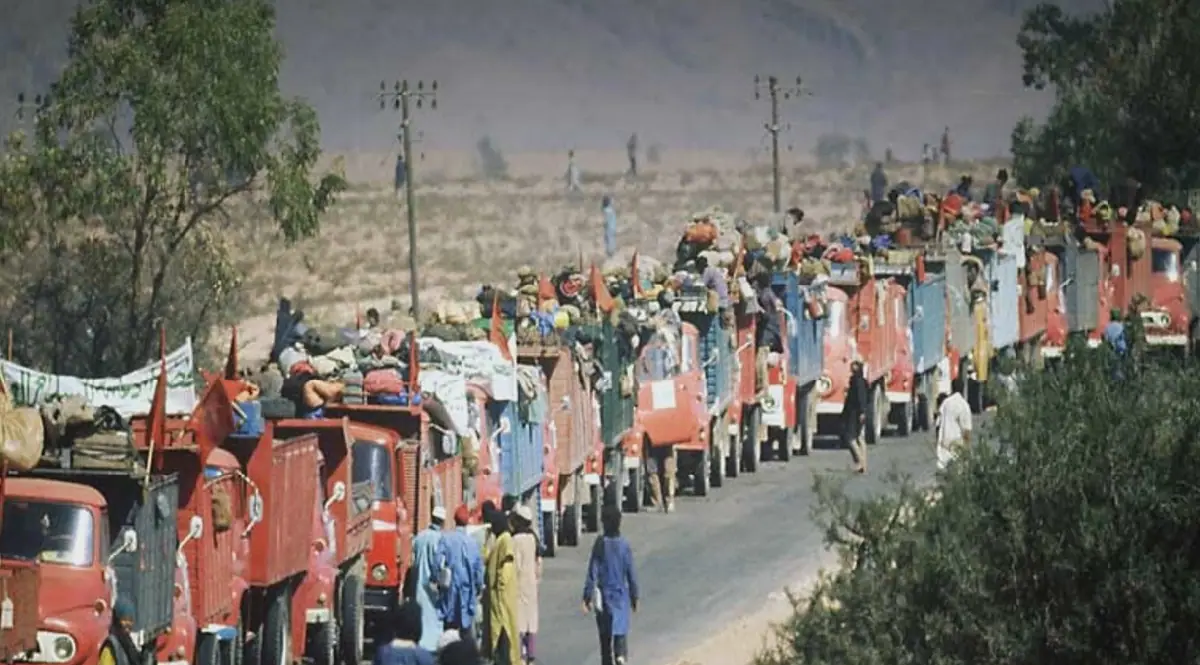
The Green March, which took place in 1975, was a testament to the patriotism and unity of the Moroccan people. El Ktiri emphasized that the event showcased the unwavering commitment of Moroccans to their national constants, values, and sacred institutions. The Green March also demonstrated the unshakeable faith of the Moroccan people in the justness of their national cause and their determination to defend their country.
El Ktiri recalled that the announcement of the Green March sparked widespread enthusiasm among citizens, with many volunteering to participate. The number of volunteers far exceeded initial expectations, reflecting the strong sense of national identity and unity among Moroccans. The Green March has since become a source of inspiration for artists, writers, and poets, who have dedicated numerous works to the event.
The High Commissioner also highlighted the significant development progress made in Morocco's southern provinces since their reintegration into the country. He noted that these regions have experienced rapid growth in various sectors, including infrastructure, economy, social services, culture, tourism, and human development. This growth is attributed to the new development model launched by King Mohammed VI in 2015.
The new development model has led to the implementation of large-scale infrastructure projects, such as the Dakhla Atlantique port and the Tiznit-Dakhla expressway. Additionally, efforts have focused on improving social services, including the construction of university hospitals and technological institutes, as well as supporting access to housing. These initiatives have transformed the Moroccan Sahara into a emerging economic hub.
The commemoration event included a tribute to eight former resistance fighters from the Rabat-Salé-Kénitra region, recognizing their contributions to Morocco's struggle for independence and unity. A colloquium was also organized, featuring university professors and a representative from the local council of ulemas, to discuss the diplomatic dynamics surrounding the Moroccan Sahara issue.
The event brought together academics, members of the resistance and liberation army, and representatives from various political parties. El Ktiri's speech emphasized the significance of the Green March in Moroccan history and its ongoing impact on the country's development and national identity. The commemoration served as a celebration of Morocco's progress and unity.
Key points
- The Green March was a peaceful and unique approach adopted by Morocco to reclaim its territorial integrity.
- The event has had a lasting impact on Moroccan culture and national identity.
- Morocco's southern provinces have experienced significant development progress since their reintegration into the country.