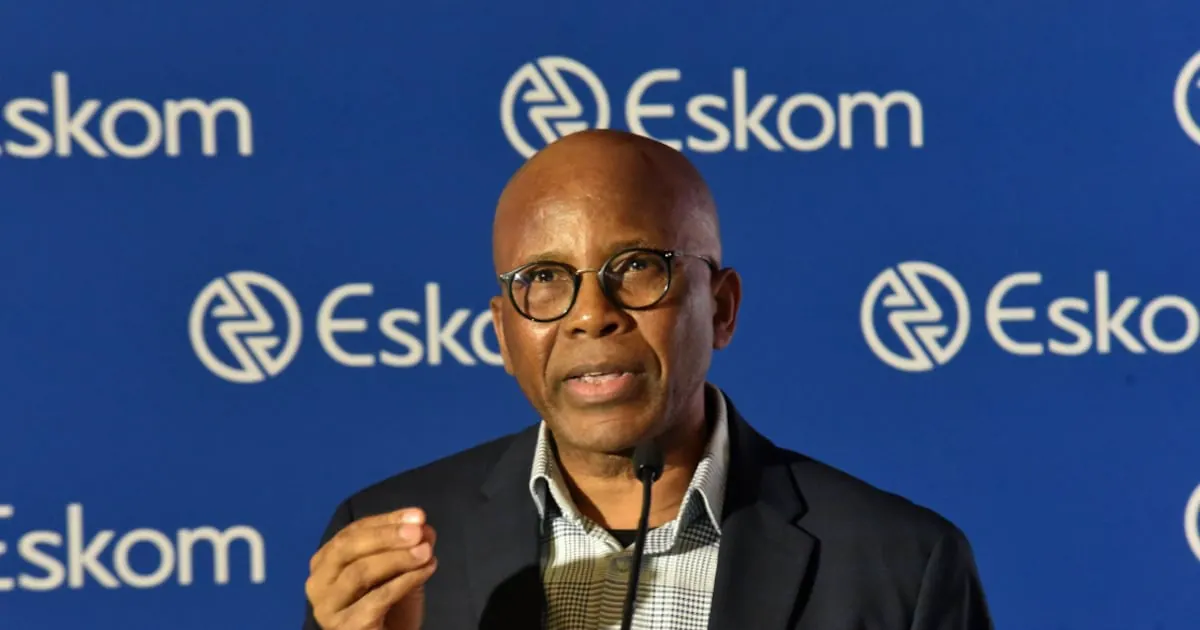
South African Minister of Electricity and Energy, Kgosientsho Ramokgopa, announced that Mteto Nyati will continue to serve as the chair of Eskom's board for an additional three years. Nyati's term was initially set to expire next month, but the cabinet has decided to extend it from November 1. This decision comes as Eskom is preparing for significant changes, including the unbundling of its transmission business and broader reforms in South Africa's electricity market.
During Nyati's tenure, Eskom has experienced a notable improvement in generation performance. The utility has achieved over 400 consecutive days without load-shedding, and its energy availability factor has reached its highest level in years. These gains have been attributed to various factors, including changes in senior management, such as the appointment of Bheki Nxumalo as group executive for generation and Dan Marokane as group CEO.
Minister Ramokgopa cited Nyati's leadership as a key factor in Eskom's recent successes. He described Nyati as the common denominator between the existing and former boards, stating, "If it ain't broken, why fix it?" Ramokgopa emphasized that Nyati's continued presence will provide stability and continuity as Eskom navigates its next phase of restructuring.
The government is pursuing an independent transmission system operator that will own and control Eskom's transmission assets and operate the electricity market. This reform aims to create greater competition in electricity supply and provide non-discriminatory access to the grid. However, the transmission reforms have been the subject of a public dispute between Eskom's board and business leaders.
Nyati has supported the establishment of an independent transmission company but has questioned the timing of transferring Eskom's transmission assets to the new entity. Business Leadership South Africa (BLSA) challenged the board's position, but the dispute was later resolved after Eskom and BLSA agreed to engage on the implementation of the transmission reforms.
As part of its restructuring, Eskom has been tasked with developing a single roadmap, dubbed "Eskom 2.0", which will outline the utility's public mandate, commercial position, and investment plan over the next three to five years. This roadmap will cover various aspects, including the future of Eskom's coal fleet, its potential role in gas and nuclear, and the scale and funding of its green business.
Minister Ramokgopa has identified several key challenges that Eskom's board will need to address, including municipal debt, which could reach R350bn if the current rate of accumulation continues. He also highlighted electricity losses, theft, inaccurate metering, and weak revenue collection as areas requiring attention, alongside the performance of Eskom's distribution business and customer service.
Key points
- Mteto Nyati's term as Eskom chair extended for three years.
- Eskom's generation performance has improved significantly under Nyati's leadership.
- The utility faces challenges, including municipal debt and electricity losses.