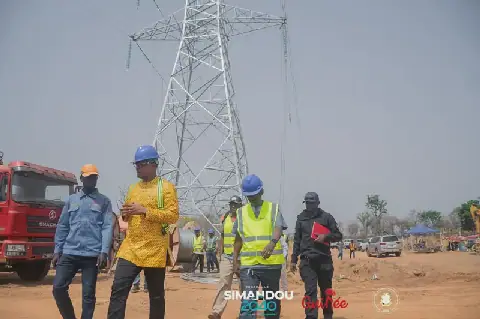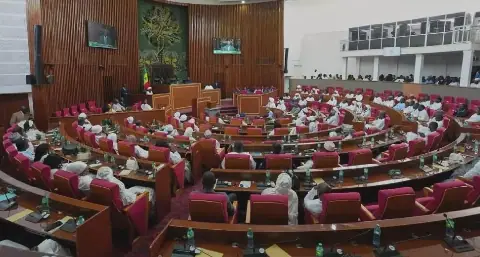
The Mozambican government has established the Moamba Special Economic Zone, located in the district of the same name in Maputo province. The zone covers an area of 64,000 hectares, including parts of the administrative posts of Moamba-Sede, Pessene, and Ressano Garcia. This initiative aims to increase productive and commercial capacity, expand the tax base, and stimulate job creation and foreign exchange earnings.
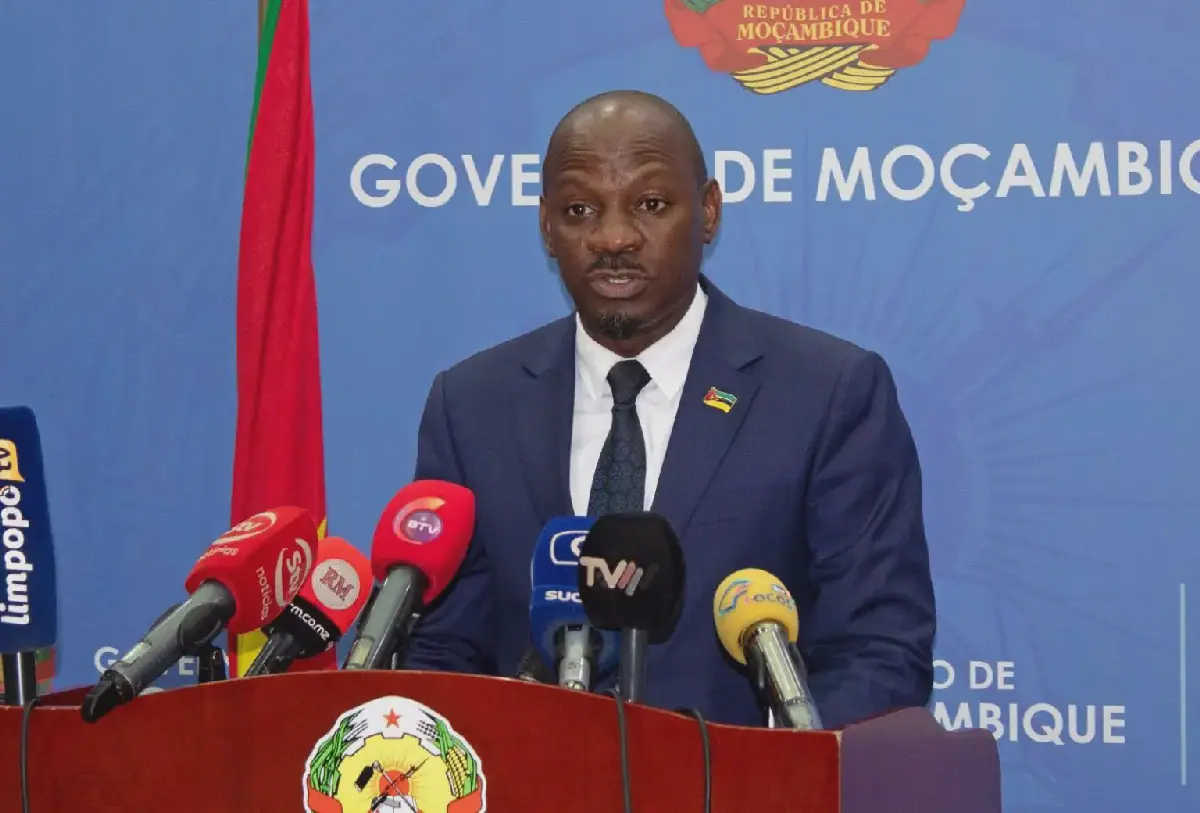
According to Government spokesperson Inocêncio Impissa, the special economic zone will offer incentives, simplified procedures, and facilitation mechanisms to encourage economic activity and investment. The creation of this zone is expected to promote economic growth and development in the region. The government believes that the zone will attract investors and create new opportunities for businesses.
In the same cabinet meeting, the government approved the 2026-2027 Annual Contingency Plan, which identifies potential risks and threats, as well as measures to mitigate their impacts. The plan is budgeted at 39.8 billion meticais and aims to assist 2.2 million people. The government has allocated 23.4 billion meticais for this plan, with the remaining 16.4 billion meticais still to be mobilized from partners.
The current contingency plan is unique, as it combines the risks of floods, cyclones, and droughts, exacerbated by the El Niño phenomenon. This phenomenon is expected to bring below-average rainfall to southern and central Mozambique. The government is working to mitigate the effects of these disasters and provide assistance to affected communities.
The cabinet also approved a resolution establishing the National Statistics System to combat money laundering and terrorist financing. This system, known as AML Connect, will enable the collection, harmonization, and analysis of statistics on money laundering and terrorist financing. The system aims to ensure common standards of quality, consistency, and security of information.
The creation of the Moamba Special Economic Zone and the approval of the contingency plan demonstrate the government's efforts to promote economic growth and address the country's challenges. The government is working to create a favorable business environment and mitigate the impacts of disasters.
The implementation of these initiatives will be crucial to achieving the government's objectives. The success of the special economic zone and the contingency plan will depend on effective coordination and collaboration among government agencies, partners, and stakeholders.
Key points
- The Mozambican government has created a 64,000-hectare special economic zone to boost production, trade, and employment.
- The government has approved a 39.8 billion meticais contingency plan to assist 2.2 million people affected by disasters.
- A new national statistics system has been established to combat money laundering and terrorist financing.