Mozambique is grappling with a growing drug problem, as the country's strategic location along international trafficking routes has led to an increase in local addiction. Elton Raimundo Joaquim, a 27-year-old from the capital Maputo, is one example of the many young people struggling with addiction. He scavenges for scrap metal to support his habit, which includes cannabis, crack, and heroin. Joaquim's story is echoed by many others in Mozambique, where hospital admissions linked to drug use rose 38% last year to over 32,280.
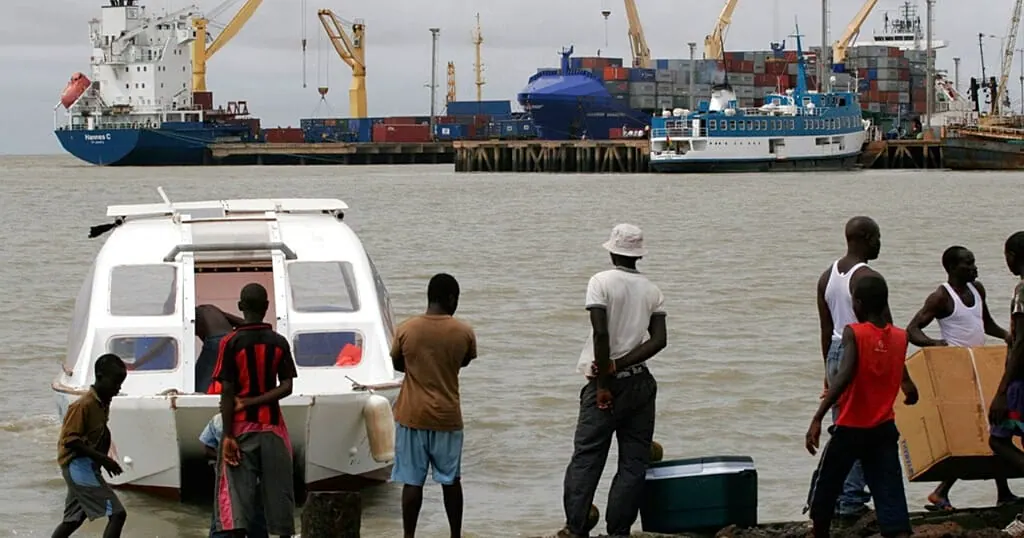
The surge in drug use in Mozambique is attributed to its position as a transit point in the intercontinental trade of illicit drugs. The country's 2,500-kilometre Indian Ocean coastline and porous borders make it an attractive route for traffickers. According to Jose Bambo, spokesman for the state drug prevention bureau, GCPCD, Mozambique was previously seen only as a transit point, but now it has become a consumer of illicit drugs. The government has acknowledged that the problem is more extensive than reported, with experts saying that official statistics reflect only a fraction of the issue.
The main drugs in circulation in Mozambique are cannabis, crack, and heroin. However, there is a growing concern about the emergence of new substances, including crystal meth and fentanyl. Paulo Ferrao, a university graduate who admitted himself to the REMAR rehabilitation centre four years ago, said that it was becoming easier for young people to obtain drugs. Ferrao, now entrusted with public relations at the centre, said that the centre's patients are assigned tasks such as cleaning, metalwork, and carpentry to help them recover.
The Mozambican government has joined forces with international anti-drugs bodies and authorities across the region to tackle the problem. The cooperation has facilitated the extradition of suspects and the seizure of drugs and manufacturing equipment. Recently, six Mexican nationals accused of manufacturing drugs in a village outside Maputo were extradited from Botswana. The government has also acknowledged that it lacks the tools and specialists needed to effectively combat the problem.
According to Antonio De Vivo, the country head of the UN drugs office, Mozambique has historically been a transit point for heroin and methamphetamine, but there has been an increase in cocaine flows as part of the "Lusophone route" that links Brazil with other Portuguese-speaking countries. De Vivo also noted that low-income countries with young populations, such as Mozambique, are particularly vulnerable to cheaper synthetic drugs.
The situation in Mozambique reflects a broader regional picture, with South Africa also uncovering manufacturing labs where Mexicans allegedly operated as chemists or trainers of a local workforce. An investigation showed how South Africa has become an ideal country for Mexico's Sinaloa cartel to produce meth and sell it as far away as Australia. De Vivo warned that local production will inevitably lead to an increase in consumption.
The increase in drug use in Mozambique is a concern, with experts warning that the problem is likely to get bigger. The government and international authorities are working together to combat the issue, but more needs to be done to address the root causes of addiction and to provide support to those affected. The case of Elton Raimundo Joaquim and others like him highlights the need for effective solutions to tackle the growing drug problem in Mozambique.
Key points
- Hospital admissions linked to drug use in Mozambique rose 38% last year to over 32,280.
- Mozambique's strategic location along international trafficking routes has led to an increase in local addiction.
- The country is working with international authorities to tackle the problem, including through data sharing and extradition of suspects.