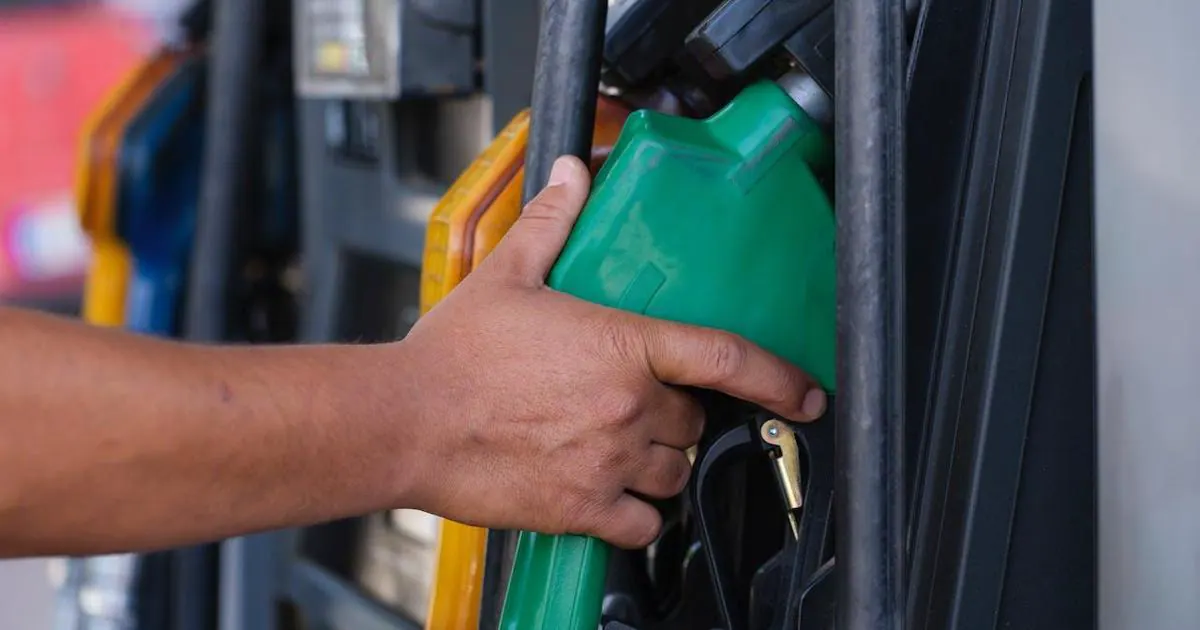
Motorists in South Africa are bracing for a substantial fuel price hike, with both grades of petrol set to increase by more than R3 per litre from midnight on October 6, 2026. This significant increase is expected to have a considerable impact on household budgets, with many motorists already feeling the strain of constant fuel price rises. The price hike is attributed to various factors, including international oil prices driven by the Middle East conflict.
The fuel price increase is not limited to petrol, as diesel is also expected to become more expensive, with a predicted rise of between R2.84 and R3.24 per litre. Additionally, the prices of illuminating paraffin and liquefied petroleum gas (LPG) will also increase. Motorists are expressing frustration and concern about the impact of these price hikes on their daily lives, with many having to adjust their household budgets or reduce their fuel consumption.
The constant fuel price increases have become a norm for motorists in South Africa, but that does not make them any easier to absorb. Many motorists are forced to rework their household budgets, cut back on other expenses, or simply put less fuel in their tanks. The situation has become so challenging that some motorists are hoping for a break, with the expectation that the Middle East conflict driving international oil prices will end soon.
The fuel price hike is expected to have far-reaching consequences, with many motorists questioning how far their fuel tanks can take them. The situation is further complicated by the fact that motorists have become used to the constant rises in fuel prices, but the impact is still significant. The increase in fuel prices is a major concern for many South Africans, who are already facing various economic challenges.
According to reports, more than 600 million litres of petrol have found their way into the diesel pool, as estimated by the South African fuels industry association. This development has significant implications for the fuel industry and motorists alike. The situation highlights the complexities of the fuel market and the need for motorists to be aware of the factors driving fuel price increases.
The impact of the fuel price hike is not limited to individual motorists, as it also has broader economic implications. The increase in fuel prices can lead to higher transportation costs, which can have a ripple effect on the prices of goods and services. The situation is being closely monitored by various stakeholders, including government officials and industry experts.
As motorists in South Africa prepare for the significant fuel price hike, many are seeking relief and hoping for a break. The situation highlights the need for sustainable solutions to address the challenges facing motorists and the broader economy. The fuel price hike serves as a reminder of the complexities of the fuel market and the need for motorists to be aware of the factors driving price increases.
Key points
- The fuel price hike is expected to have a significant impact on household budgets, with petrol prices set to increase by over R3 per litre.