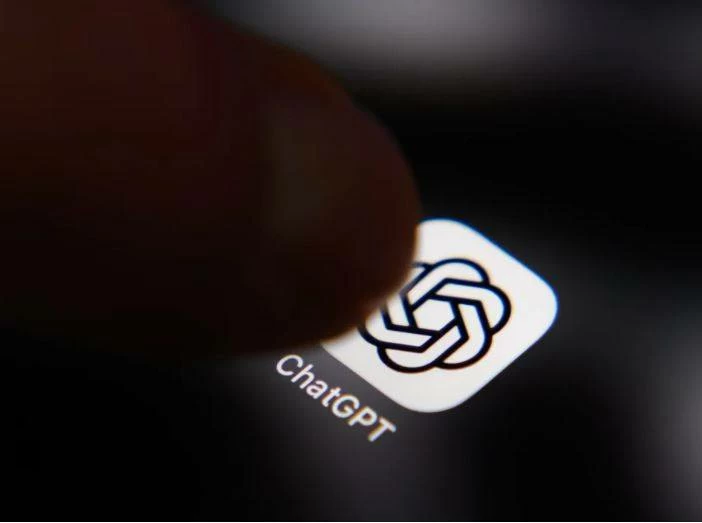
A recent investigation by the Nieman Lab has revealed that ChatGPT, an AI chatbot developed by OpenAI, is capable of generating caricatures in the style of The New Yorker magazine, complete with fake signatures from professional cartoonists. These images have been circulating on social media, raising concerns about copyright infringement and the potential misuse of AI-generated content. The chatbot's ability to mimic the style of The New Yorker has sparked debate about the role of AI in creative industries.
According to the Nieman Lab, ChatGPT was able to generate over a dozen fake signatures from prominent New Yorker cartoonists, which were then added to AI-generated images in the style of the magazine. While the images were not identical to the work of the actual cartoonists, they were similar enough to be mistaken for the real thing. Emily Flick, a cartoonist, noted that she could see the "DNA" of her own work in the AI-generated images, but they did not feel like her own creations.
The issue highlights the ongoing challenges faced by AI developers in balancing creative freedom with intellectual property rights. The New Yorker has a distinctive style that is widely recognized and admired, making it a prime target for AI imitation. The magazine's parent company, Condé Nast, has recently partnered with OpenAI to allow the use of its content in AI training, but this agreement does not extend to the use of cartoonists' work or the reproduction of their style.
OpenAI has responded to the controversy, stating that it values the creative input of human artists and is committed to developing tools that enhance, rather than replace, human creativity. The company has also acknowledged that its models are not perfect and is working to address issues related to copyright infringement and misuse.
The incident has sparked broader concerns about the use of AI in creative industries and the need for clearer guidelines on intellectual property rights. As AI technology continues to evolve, it is likely that we will see more cases of AI-generated content that blurs the line between human and machine creativity.
ChatGPT has now been updated to warn users about the potential for copyright infringement when requesting images in the style of The New Yorker. However, the chatbot will still generate images with fake signatures, highlighting the ongoing challenges of regulating AI-generated content.
The controversy surrounding ChatGPT's AI-generated caricatures serves as a reminder of the need for ongoing dialogue between AI developers, artists, and policymakers about the role of AI in creative industries. As AI technology continues to advance, it is essential that we develop clear guidelines and regulations to ensure that AI is used in a way that respects the rights of human creators.
Key points
- ChatGPT generates New Yorker-style caricatures with fake artist signatures
- The incident highlights ongoing challenges in balancing creative freedom with intellectual property rights
- OpenAI responds, stating its commitment to developing tools that enhance human creativity