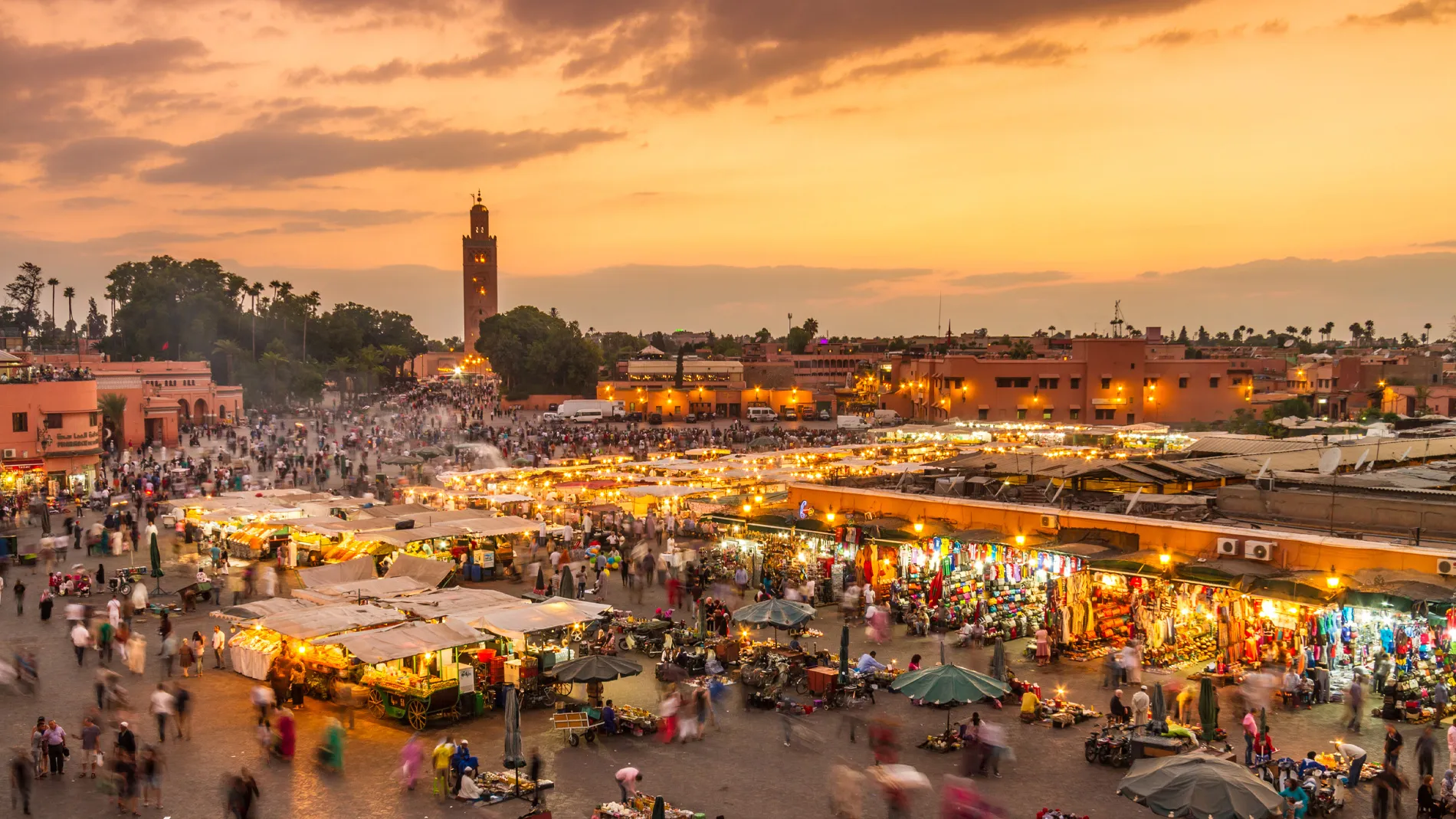
Morocco has recorded 14.1 million tourist arrivals in the first eight months of 2026, marking a 4.5% increase from the same period last year. This growth rate, however, represents a significant slowdown compared to 2025, when the country saw a 14% increase in tourist arrivals. The latest figures indicate a deceleration in the tourism sector's growth momentum.
The month of August 2026 was notable for being the first time the country surpassed two million tourist arrivals in a single month. Despite this milestone, the overall growth rate has been approximately divided by three compared to the previous year. This slowdown raises questions about the sector's ability to meet its targets for 2030, a year when Morocco will co-host the World Cup.
Tourist revenues in Morocco have reached 79 billion dirhams by the end of July 2026, representing a 13.4% increase from the same period last year. This growth rate is nearly three times higher than the growth rate of tourist arrivals, indicating an increase in the average expenditure per visitor. This trend is consistent with the sector's premium strategy but also reflects the impact of inflation on accommodation and catering prices.
It is essential to note that about half of the recorded tourist arrivals consist of Moroccans living abroad returning to their home country, rather than international tourists. This distinction is significant, as it affects the structure of expenditure, seasonality, accommodation mode, and territorial distribution of tourist flows. This nuance is crucial for understanding the sector's performance and making informed decisions.
Several key data points are still missing to comprehensively evaluate the sector's performance in 2026. The breakdown of tourist arrivals between foreign tourists and members of the diaspora has not been published, nor have hotel occupancy rates or revenues up to the end of August. The absence of these data points limits the assessment of the effectiveness of the sectoral strategy.
Despite these limitations, the tourism sector remains one of the country's primary foreign exchange earners, alongside remittances from Moroccans living abroad and exports of phosphates and automotive products. The sector's performance has significant implications for the country's economy, and its continued growth is essential for achieving the set targets.
The Moroccan government has set ambitious targets for the tourism sector, aiming to attract more visitors and increase revenues. The sector's growth will be crucial in meeting these objectives, particularly with the country co-hosting the World Cup in 2030. The government and stakeholders will need to closely monitor the sector's performance and make adjustments as necessary to ensure the achievement of these goals.
Key points
- Morocco recorded 14.1 million tourist arrivals in the first eight months of 2026, a 4.5% increase from the previous year.
- Tourist revenues in Morocco reached 79 billion dirhams by the end of July 2026, representing a 13.4% increase from the same period last year.
- About half of the recorded tourist arrivals consist of Moroccans living abroad returning to their home country, rather than international tourists.