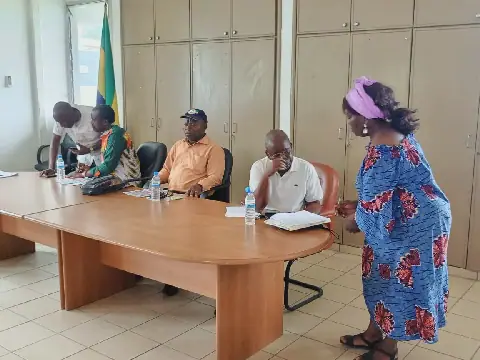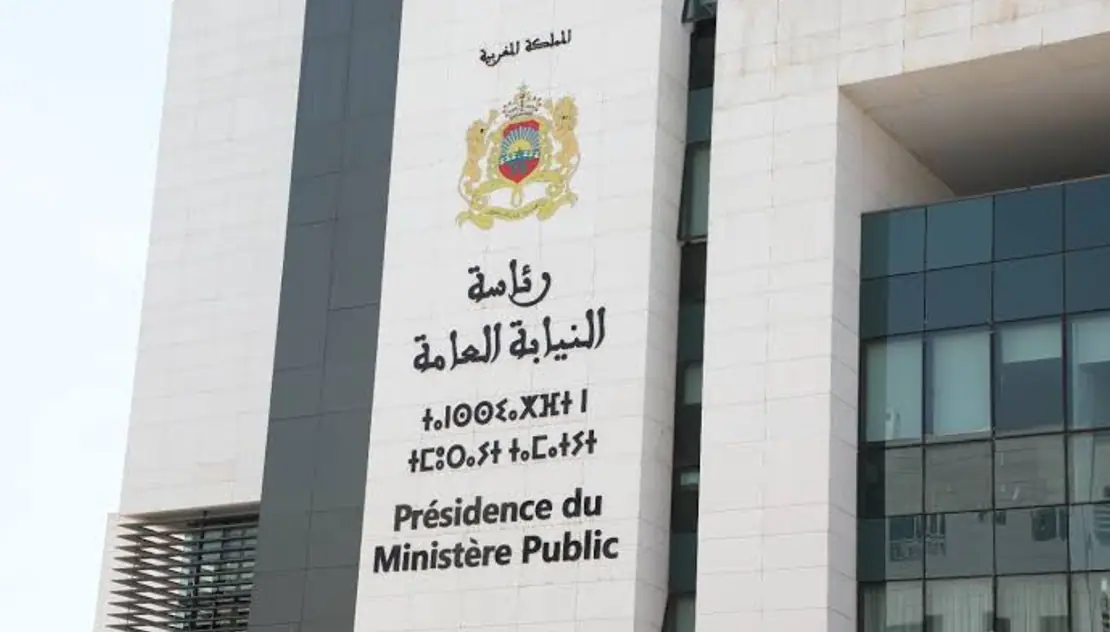
The Moroccan Public Prosecution has presented its strategic plan for 2028, which focuses on modernizing its action, strengthening the efficiency of its criminal policy, and consolidating international judicial cooperation. The plan was unveiled by Hicham Balaoui, Prosecutor General of the King near the Court of Cassation and President of the Public Prosecution, during a meeting held on November 2, 2026, in Rabat. The meeting was attended by several ambassadors and representatives of diplomatic missions accredited to Morocco.
The meeting marked the 160th edition of the event and provided an opportunity to review the institution's achievements since the entry into force of the independence of the Public Prosecution on October 7, 2017. Hicham Balaoui highlighted that the independence of the Public Prosecution has been a crucial step in consolidating the institutional framework of the judicial power in Morocco. This development has enabled the institution to exercise its competencies and responsibilities while respecting the principles of independence, responsibility, and good application of the law.
Since its creation, the Public Prosecution has launched several initiatives aimed at developing its organizational structures, modernizing its working methods, and improving the efficiency of its criminal policy. These efforts focus on strengthening the protection of rights and freedoms, as well as combating various forms of crime and corruption. The institution aims to balance the protection of society with the preservation of individual rights, within the framework of the law. The Public Prosecution has also emphasized its contribution to the protection of childhood and the guarantee of fundamental rights.
The institution has achieved significant results in the protection of children, including the reintegration of 29,221 students into schools and the registration of 2,493 children in the civil registers. The Public Prosecution has also played a crucial role in combating child marriage, with 9,783 requisitions submitted to reject requests for authorization of child marriage. These results demonstrate the importance attached to protecting children and preserving their rights. The institution's efforts have contributed to improving the protection of vulnerable populations and promoting the rule of law.
For the period 2026-2028, the Public Prosecution aims to implement its action plan based on a management approach by objectives and strengthening the mechanisms for implementing its criminal policy. The priorities announced include rationalizing the use of preventive detention, supporting the implementation of alternative sentences, and applying legal mechanisms for reducing sentences. The institution also intends to expand the use of restorative and consensual justice, particularly through conciliation and mediation devices.
The modernization of investigative and inquiry means is also a priority for the Public Prosecution. This includes strengthening the mechanisms for combating crime, while consolidating institutional capacities in the face of evolving forms of delinquency, particularly those with a transnational dimension. The institution has made significant progress in digital transformation, including the dematerialization of procedures and the improvement of services for users. A project for the dematerialized exchange of documents has enabled an annual saving of one million dirhams in the courts of the Kingdom.
The Public Prosecution has also developed electronic platforms for processing complaints and sent over two million SMS to inform litigants about the progress of their judicial procedures. The institution has adopted artificial intelligence, with the creation of an interactive conversational robot aimed at improving access to information and the quality of services. The cooperation with international partners has also been strengthened, with a focus on combating transborder crime and promoting judicial cooperation. The Moroccan Public Prosecution plays an active role in international organizations, including the Association of African Prosecutors and the International Association of Prosecutors.
Key points
- The Moroccan Public Prosecution aims to modernize its action, strengthen the efficiency of its criminal policy, and consolidate international judicial cooperation by 2028.
- The institution has achieved significant results in protecting children, including the reintegration of 29,221 students into schools and the registration of 2,493 children in civil registers.
- The Public Prosecution has prioritized the rationalization of preventive detention, the implementation of alternative sentences, and the application of legal mechanisms for reducing sentences.