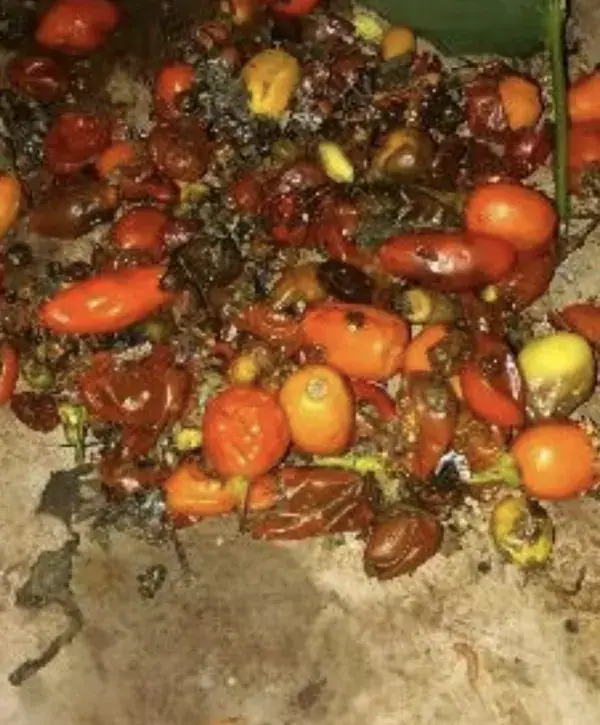
In Mali's capital markets, scenes of spoiled produce are common. At the Wonida market, tomatoes do not always sell as quickly as they ripen. As a result, some begin to soften due to the heat, and vendors must sell them quickly, often at a loss, to avoid further deterioration. This issue is not limited to tomatoes, as many other agricultural products, including mangoes, bananas, and papayas, are also affected by poor handling and storage conditions.
The problem of post-harvest losses starts in the fields, where produce is often harvested without proper care and then transported in unsuitable containers. This can lead to damage, spoilage, and a significant loss of value. According to Bintou Fofana, a tomato vendor at the Wonida market, "We record significant losses. Due to lack of conservation means, we are often forced to liquidate our merchandise at a loss." She emphasizes the need for improved storage conditions to preserve produce and protect vendors' incomes.
The issue is not limited to vendors; producers also suffer from poor conservation and transformation conditions. Sory Ibrahim Camara, a farmer from Baguinéda, notes that "If this problem is not solved, producers will not be able to benefit from their work, and it will affect prices." He stresses the need for better conservation and transformation methods to increase the value of their produce. The lack of suitable storage facilities and transportation infrastructure exacerbates the problem, leading to significant losses for both producers and vendors.
The phenomenon of post-harvest losses affects not only fruits and vegetables but also cereals. Poor drying and storage conditions can compromise the quality of crops like millet, sorghum, and maize. Inadequate storage facilities and handling practices can lead to contamination and spoilage, rendering the produce unfit for consumption. This highlights the need for improved handling, storage, and transportation practices throughout the agricultural value chain.
To address post-harvest losses, several measures can be taken. Improving harvesting and handling practices, using suitable containers, and providing adequate storage facilities can help preserve produce. For fruits and vegetables, cold storage chambers and adapted conservation spaces can extend the shelf life of crops. For cereals, proper drying, storage, and maintenance of facilities are essential. Additionally, transformation and processing can help valorize excess produce and reduce losses.
The consequences of post-harvest losses extend beyond the economic impact on producers and vendors; they also represent a significant cost to society. Every spoiled tomato or kilogram of cereal represents water consumed, land mobilized, and energy expended to produce. In a context where food security remains a major challenge, reducing post-harvest losses is crucial. By addressing this issue, Mali can improve agricultural productivity, increase food availability, and reduce waste.
Key points
- Improving storage and handling practices can help reduce post-harvest losses and increase the value of agricultural produce in Mali.