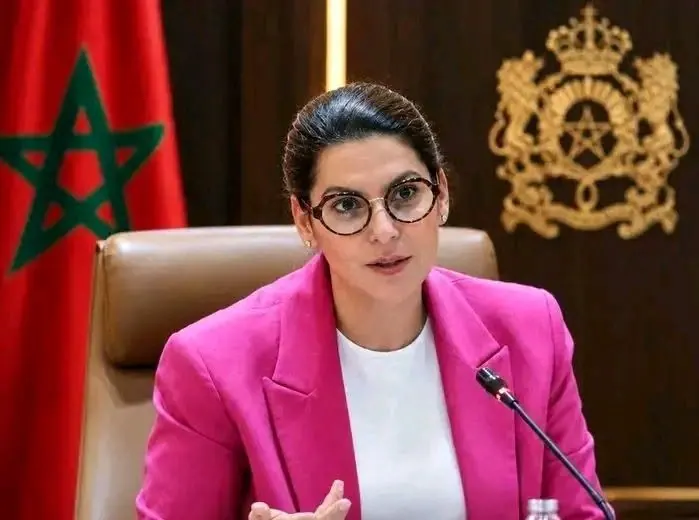
Morocco has entered a new phase in its national political scene following the September 2026 legislative elections. The elections have led to a new parliamentary map, with various parties vying for positions in the upcoming government. The PAM, led by Fatima Zahra El Mansouri, has taken the lead with 97 seats, followed by the National Rally of Independents (RNI) with 66 seats, and the Independence Party with 65 seats.
The PAM's lead in the elections has given El Mansouri the initiative to start negotiations and search for a majority to support the upcoming government. However, with 395 seats in the parliament, the PAM needs to form a coalition to achieve an absolute majority of 198 seats. Various combinations are possible, including a coalition with the RNI and the Independence Party, which would give them 228 seats.
The negotiations for the government formation will not only focus on the number of seats but also on the government's program, priorities, and the distribution of ministerial portfolios. The government's program must be approved by the House of Representatives with an absolute majority, making it essential for the coalition to agree on a unified program.
The RNI has expressed its readiness to participate in the government, but the final decision will be made by the party's national council. The Independence Party, which came third in the elections, is also considering its position in the upcoming government. The Justice and Development Party (PJD), which gained 54 seats, has announced its decision to be part of the opposition.
The negotiations will also involve other parties, including the Socialist Union of Popular Forces (USFP), the Popular Movement (MP), the Progress and Socialism Party (PPS), and the Constitutional Union (UC). The positions of these parties will play a crucial role in determining the shape of the upcoming government.
The formation of the government will require a balance between the representation of various parties and the need for effective governance. The government will need to address various challenges, including economic and social issues, and provide a clear vision for the country's future.
The success of the negotiations will be measured not only by the speed of the government's formation but also by its ability to produce a stable and cohesive government that can implement its program and address the country's challenges. The government's formation will be a critical test of Morocco's democratic process and its ability to translate election results into effective governance.
Key points
- The PAM's lead in the elections has given El Mansouri the initiative to start negotiations and search for a majority to support the upcoming government.
- The negotiations will focus on the government's program, priorities, and the distribution of ministerial portfolios.
- The government's formation will require a balance between the representation of various parties and the need for effective governance.