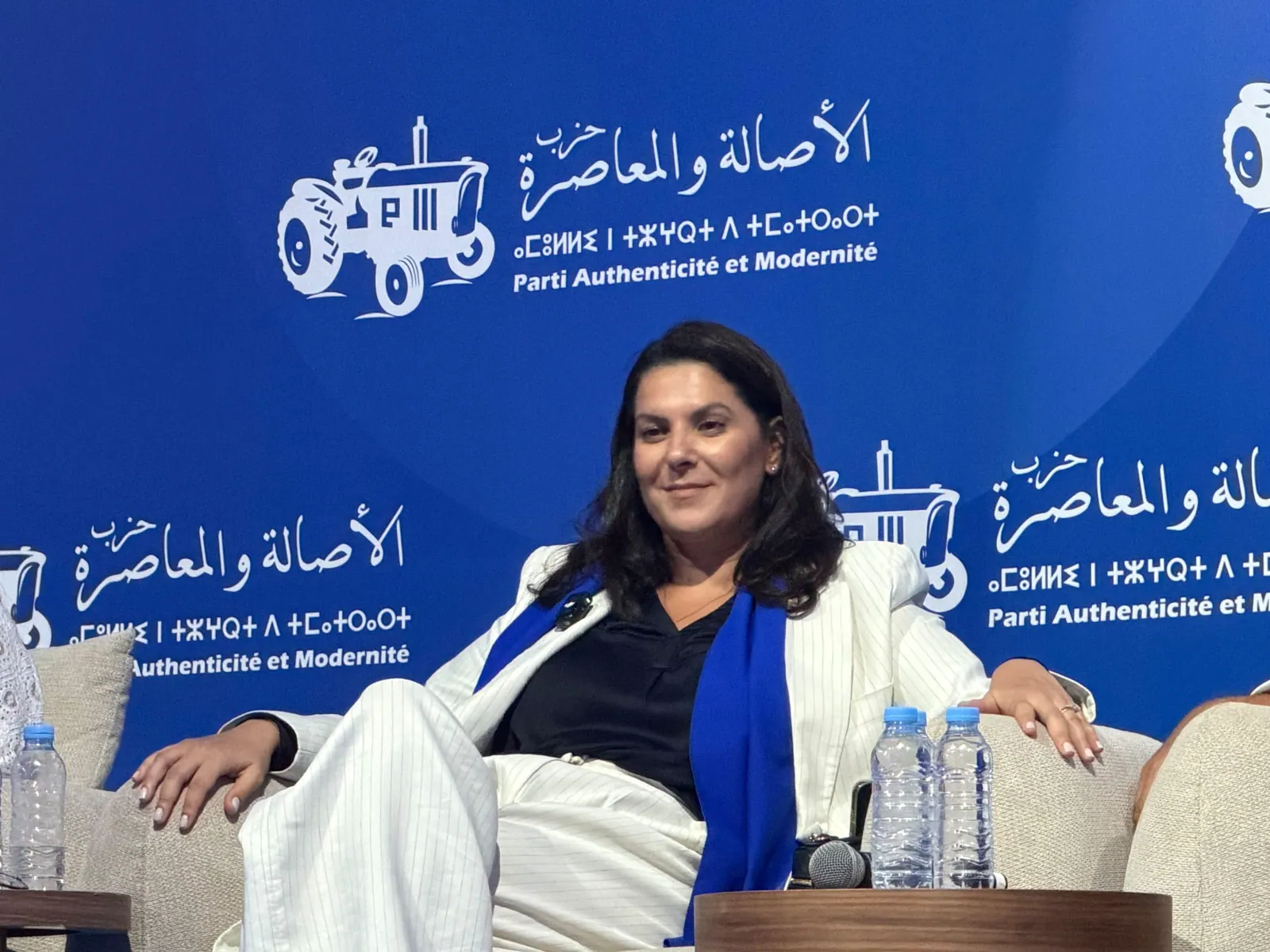
Fatima Zahra El Mansouri, tasked with forming Morocco's next government, has set strict conditions for the selection of ministers. According to sources close to the matter, El Mansouri aims to form a strong, politically capable government with specialized expertise. The goal is to put an end to previous practices based on nepotism and cronyism. El Mansouri's approach emphasizes the importance of selecting ministers based on merit rather than personal connections.
El Mansouri's conditions for ministerial positions are part of a broader effort to reform the government's selection process. The prime minister-designate is working closely with a small negotiation committee consisting of Fawzi Lekjae, Abdel Latif Wahbi, and Ahmed Akchichene. This committee is responsible for scrutinizing proposals from various political parties and ensuring that the selected ministers meet the required standards.
The selection process for ministerial positions will be rigorous, with each proposed list subject to thorough review and scrutiny. El Mansouri will hold the leaders of participating parties accountable for the names they propose. This approach aims to ensure that the next government is composed of competent and qualified individuals who can effectively address the country's challenges.
Regarding the composition of the next government, sources indicate that the general trend is to exclude the National Rally of Independents (RNI) party. This decision is based on the perception that RNI's participation could create internal conflicts within the party and that allocating a limited number of ministerial positions might further weaken the party. Instead, the focus is on forming an alliance with parties from the Koutla bloc.
The Koutla bloc, which includes several political parties, is expected to play a significant role in the next government. Negotiations are currently underway to finalize the distribution of ministerial positions among the participating parties. The goal is to create a balanced and effective government that can address Morocco's economic and social challenges.
Other political parties, such as the Popular Movement, may also participate in the next government. The party's involvement is considered possible without any significant reservations or restrictions. However, the participation of the Constitutional Union and the Social Democratic Movement is seen as feasible only through roles and responsibilities outside the direct government structure and in other institutions.
The formation of Morocco's next government is a complex process that involves careful consideration of various factors, including the selection of ministers, the distribution of positions, and the overall composition of the government. El Mansouri's efforts to create a strong, effective government that meets the country's needs are ongoing, with the aim of presenting a cohesive and capable team to the public.
Key points
- El Mansouri sets strict conditions for ministerial positions to ensure a competent and qualified government.