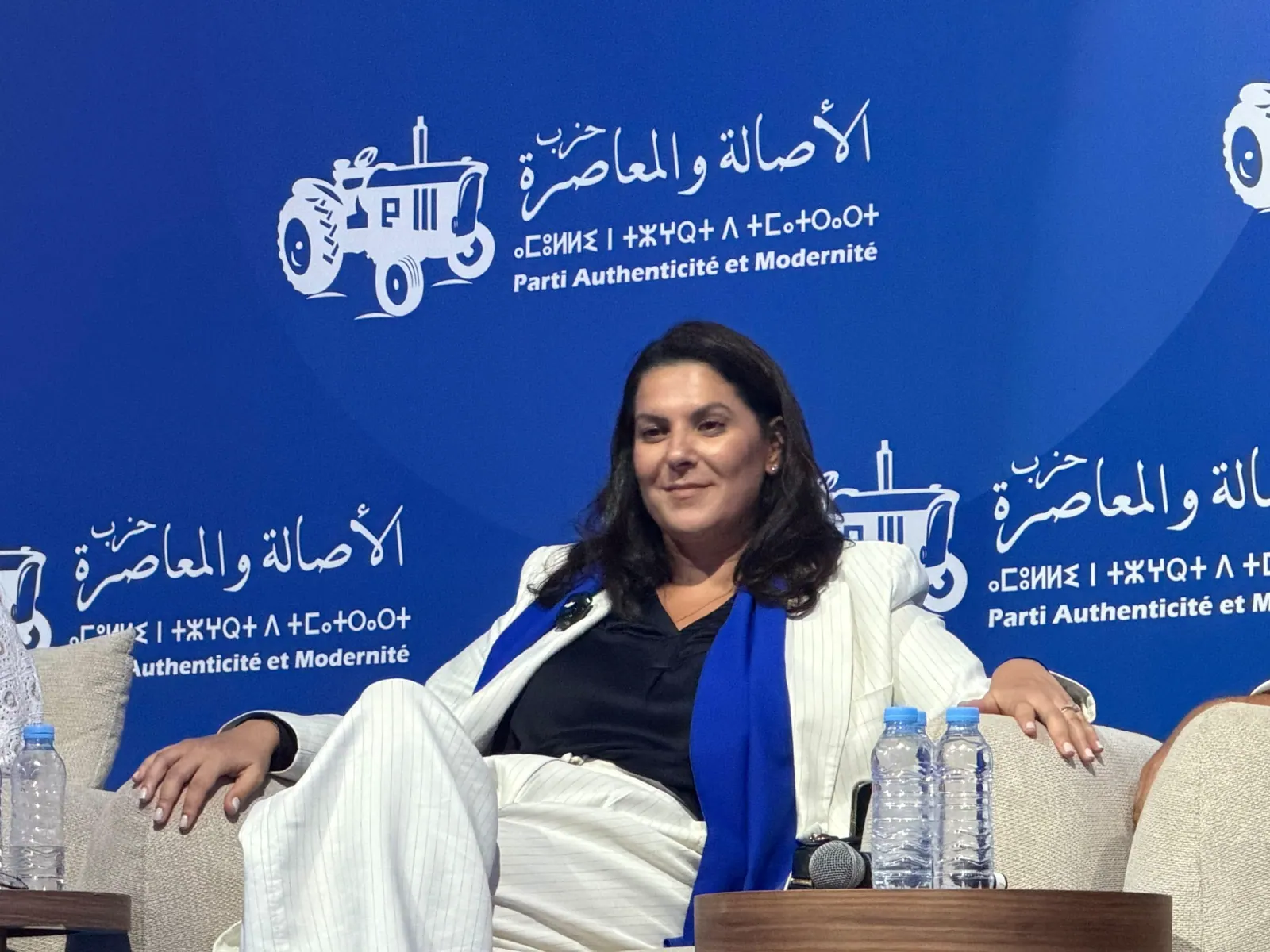
Morocco is on the cusp of forming a new government, with talks led by Fatima Zahra El Mansouri, head of the Authenticity and Modernity Party (PAM), taking center stage. El Mansouri, who was appointed as the head of government by King Mohammed VI, has been holding consultations with various political parties to shape the country's new administration. Sources close to the negotiations indicate that a leaner cabinet with fewer than 20 ministers is being considered.
A significant aspect of the proposed cabinet is the emphasis on gender balance. According to sources, the new government is expected to have an equal number of male and female ministers, with women occupying 50% of the cabinet positions. This move is seen as a step towards increasing female representation in decision-making roles in Morocco. El Mansouri's PAM has been at the forefront of promoting women's rights and empowerment in the country.
The proposed cabinet is also expected to undergo a process of consolidation, with various government departments being merged to achieve greater efficiency and reduce administrative costs. This move is part of a broader effort to modernize the country's governance structure and improve public services. El Mansouri has been holding meetings with leaders of various political parties, including Nizar Baraka of the Independence Party and Mohamed Ouzine of the Popular Movement Party.
The PAM is reportedly keen on forming a government that is cohesive and aligned with its vision for the country. The party is said to be in talks with other parties, including the National Rally of Independents (RNI), to form a coalition government. The RNI, led by Aziz Rabbah, has been a key player in Moroccan politics and has expressed willingness to work with other parties to form a stable government.
El Mansouri's appointment as head of government has been seen as a significant development in Moroccan politics. She is the first woman to hold the position and has been praised for her leadership skills and commitment to promoting women's rights. Her appointment has also been seen as a reflection of Morocco's efforts to promote gender equality and empower women in decision-making roles.
The formation of the new government is expected to have a positive impact on Morocco's diplomatic relations with other countries. El Mansouri's appointment has been welcomed by various international partners, including the European Union and the African Union. Morocco has been working to strengthen its diplomatic ties with other countries and has been actively engaged in regional and international organizations.
As the talks on government formation continue, Moroccans are eagerly awaiting the announcement of the new cabinet. The country's economy and politics have been impacted by the COVID-19 pandemic, and there are high expectations that the new government will prioritize economic recovery and social development. With a leaner cabinet and a focus on gender balance, Morocco's new government is expected to bring about significant changes in the country's governance structure.
Key points
- The proposed Moroccan cabinet is expected to have under 20 ministers with a 50-50 gender balance.