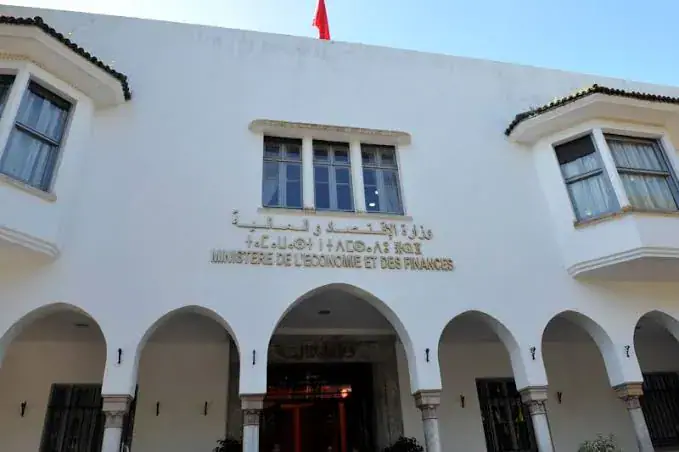
Morocco's budget execution for 2026 has recorded a deficit of 33.3 billion dirhams as of September. This deficit is primarily due to expenditures exceeding ordinary state revenues, excluding borrowing income. According to the quarterly report of the General Treasury of the Kingdom, ordinary revenues amounted to 507.3 billion dirhams. In contrast, total expenditures reached 540.5 billion dirhams, not including borrowing and debt amortization.
The report further indicates that when including borrowing income of 74.5 billion dirhams and public debt amortization of 37.9 billion dirhams, a slight surplus of 3.3 billion dirhams was recorded in total resources compared to expenditures. This helped enhance liquidity and cover part of the Treasury's financial commitments. Total state resources stood at 581.8 billion dirhams by the end of September 2026, achieving 81.6% of annual projections.
The resources were distributed among ordinary income at 57.9%, resources from the Treasury's special accounts at 28.9%, medium and long-term borrowing income at 12.8%, and income from independently managed state facilities at 0.4%. These figures highlight the diverse sources of state revenue and their respective contributions to the overall financial situation.
Total state expenditures stabilized at 578.5 billion dirhams, representing 76% of the projections in the finance law. The distribution of these expenditures was led by operating expenses in the general budget, accounting for 53.4%, followed by special accounts of the Treasury at 25.2%, investment expenditures at 14.7%, and public debt amortization at 6.6%.
The current budget deficit and expenditure patterns reflect the economic challenges and financial management strategies of Morocco. The government's financial performance is closely monitored by economic analysts and stakeholders who assess its implications on the country's economic stability and growth.
The Moroccan government's budget management involves balancing various financial priorities, including infrastructure investments, social spending, and debt servicing. The ability to maintain a stable financial environment is crucial for attracting investment and ensuring sustainable economic development.
As Morocco continues to implement its financial plans for 2026, the budget deficit and resource allocation will remain key indicators of its economic health. The government's strategies for revenue enhancement and expenditure rationalization will play a significant role in achieving its fiscal targets and supporting economic growth.
Key points
- Morocco's budget deficit reached 33.3 billion dirhams as of September 2026.
- Ordinary revenues stood at 507.3 billion dirhams, while total expenditures were 540.5 billion dirhams.
- Total state resources achieved 81.6% of annual projections, amounting to 581.8 billion dirhams.