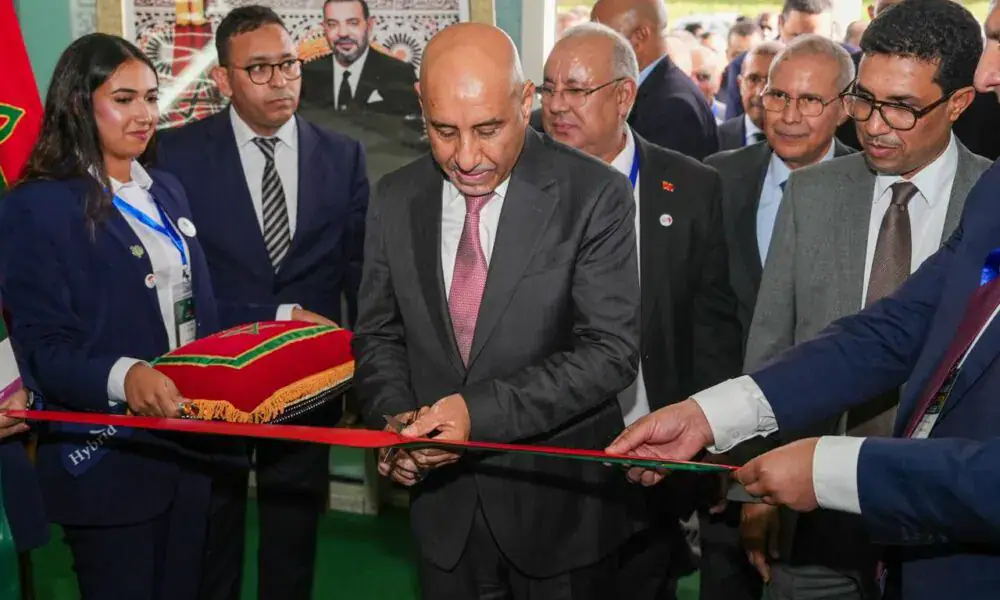
The 27th edition of the Dawajine poultry fair took place from November 3 to 5, 2026, at the Mohammed IV Exhibition Park in El Jadida, Morocco. The event was inaugurated by Minister of Agriculture, Maritime Fisheries, and Food Sovereignty, Khalid Hatimy, alongside other officials. This annual fair is a major gathering for professionals in the poultry industry, promoting expertise exchange, partnership development, and investment. It showcases technical and technological innovations to modernize the sector and expand its presence in international markets, particularly in Africa.
Morocco's poultry sector plays a vital role in the country's agricultural landscape, contributing significantly to the economy and food security. In 2025, the sector produced approximately 828,000 tons of poultry meat and 7.06 billion eggs, meeting the country's entire demand for these products. Poultry meat accounts for around 55% of Morocco's total meat consumption. The sector also generates substantial revenue, with an annual turnover of around 48 billion dirhams and providing nearly 181,000 direct jobs and 350,000 indirect jobs.
The poultry sector is a key component of Morocco's food sovereignty strategy, with the government implementing initiatives to support its growth and development. The 2021-2030 contract-program, signed in May 2023, aims to modernize and enhance the sector's competitiveness. The program, worth 2.02 billion dirhams, will be implemented in partnership with the Interprofessional Federation of the Poultry Sector in Morocco (FISA). It targets a production of 912,000 tons of poultry meat and 7.6 billion eggs by 2030, as well as the creation of 140,000 new jobs.
The contract-program focuses on several priority areas, including the rehabilitation and modernization of poultry farms, improving productivity, and enhancing marketing channels. It also aims to improve transportation conditions for poultry, while ensuring compliance with health and animal welfare requirements. Additionally, the program encourages investment in poultry feed production, hatcheries, and egg processing units. These initiatives are expected to strengthen the sector's capacity to meet domestic demand and explore export opportunities, particularly in Africa.
The Dawajine fair provides a platform for industry stakeholders to showcase their products and services, as well as discuss the latest trends and innovations in the sector. The event features various exhibitors, including poultry farmers, breeders, and equipment suppliers. It offers a unique opportunity for professionals to network, share knowledge, and explore business opportunities. The fair also highlights the sector's potential for growth and development, particularly in the context of Morocco's 2030 ambitions.
Minister Hatimy emphasized the importance of the poultry sector in Morocco's agricultural strategy, highlighting its contribution to food security and job creation. He also stressed the need for continued support and investment in the sector to ensure its long-term sustainability and competitiveness. The government's commitment to the sector is reflected in the contract-program, which aims to drive growth, modernization, and employment in the industry.
The 27th Dawajine poultry fair concluded on November 5, 2026, having achieved its objectives of promoting the poultry sector and facilitating dialogue among industry stakeholders. The event demonstrated Morocco's commitment to developing its poultry industry, with a focus on sustainability, innovation, and competitiveness. As the sector continues to grow and evolve, it is expected to play an increasingly important role in Morocco's agricultural landscape and economy.
Key points
- The Moroccan poultry sector aims to produce 912,000 tons of poultry meat and 7.6 billion eggs by 2030.