Morocco's General Delegation for Prison Administration and Reintegration (DGAPR) has issued a statement responding to claims made by detainees convicted in the Gdeim Izik case. The authority said six of the 19 detainees submitted formal notices on September 23 declaring that they would begin hunger strikes. The DGAPR rejected claims that the move was linked to the detainees' conditions of detention.
According to the DGAPR, the hunger strike was initiated at the direction of the Polisario Front and groups aligned with opponents of Morocco. This comes amid preparations for an upcoming UN Security Council meeting on the Western Sahara issue. The authority pointed to media statements and publications by these parties, which promoted the hunger strike campaign at the same time as the detainees announced their action.
The DGAPR has previously issued several statements addressing the detention conditions of the Gdeim Izik detainees. These statements covered medical care provided both inside and outside prison facilities, as well as measures allowing detainees to continue their education at different levels. The administration also said the detainees are provided with accommodation that meets required standards.
The DGAPR addressed calls for the detainees to be transferred to prisons in Morocco's southern provinces. The authority said it had previously explained that the sentences imposed on those convicted in the Gdeim Izik case do not correspond with the classification used for prisons in those provinces. One detainee was transferred after his request was accepted, moving to the local prison in Laayoune.
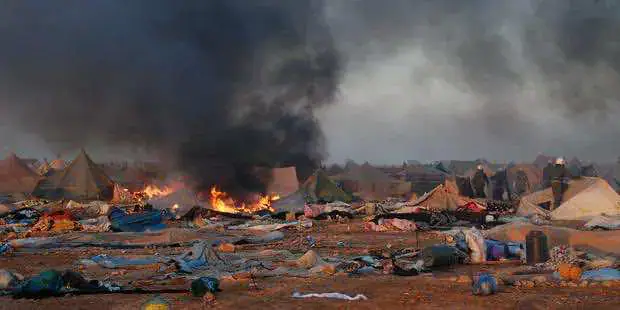
The Gdeim Izik case refers to a 2010 tragedy that occurred on the outskirts of Laayoune. A group of Moroccan security forces was killed by Polisario members who were tasked with dismantling the Gdeim Izik camp. The camp was established by people protesting unemployment and lack of opportunities in Laayoune. Over 70 people were injured during the massacre, in addition to the 12 members of police that were murdered.
The latest statement comes as the Western Sahara dispute enters another important phase at the United Nations. The Security Council is expected to vote on the renewal of the UN mission's mandate next month. Morocco continues to advance its Autonomy Plan as the basis for a political settlement. Security Council Resolution 2797, adopted in October 2025, called for negotiations based on Morocco's Autonomy Plan.
The hunger strike announcements come amid the wider political context surrounding the upcoming UN Security Council deliberations on the Sahara issue. The move was promoted by the Polisario Front and its supporters as part of a broader political campaign surrounding the dispute. Morocco has increasingly emphasized its Autonomy Plan, which provides for local management of economic, political, and social affairs under Moroccan sovereignty.
Key points
- The DGAPR rejected claims that the hunger strike was linked to poor prison conditions, saying it was initiated by the Polisario Front and its supporters.
- The hunger strike comes amid preparations for an upcoming UN Security Council meeting on the Western Sahara issue.
- Morocco continues to advance its Autonomy Plan as the basis for a political settlement in the Western Sahara dispute.