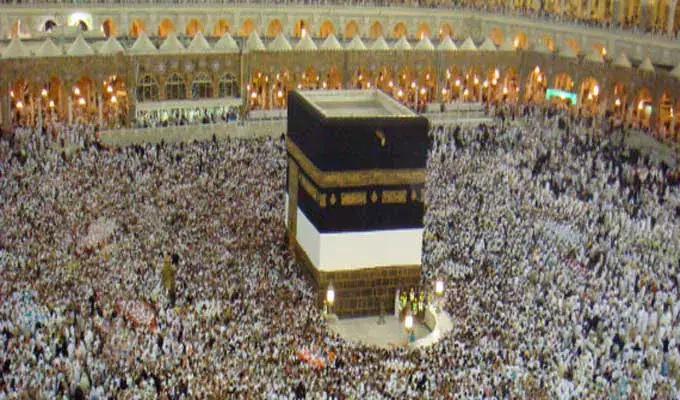
The Tunisian Minister of Religious Affairs, Ahmed Bouhali, has shed light on the lengthy wait times for citizens seeking to perform the Hajj pilgrimage. With nearly 280,000 applicants competing for just 10,982 available spots, some candidates face waits of over 10 years. Bouhali addressed the issue during a parliamentary session, where he emphasized the complexities of managing Hajj preparations and the rigorous process involved.
Bouhali elevated the Hajj to a "national dossier," noting that it requires meticulous preparation and follow-up. He stated that the process never truly ends, as preparations for the next season begin immediately after the last pilgrim returns from the holy sites. The ministry reviews the previous season, retaining successes and correcting failures to prevent repetition.
The Minister acknowledged that the host country, Saudi Arabia, sets most of the conditions for performing the rites, including physical aptitude. He expressed gratitude to the Saudi Ministry of Hajj and Umrah for their cooperation and responsiveness to Tunisian requests, which contributes to a successful season. On the Tunisian side, the ministry handles administrative and financial aspects of the journey.
In addition to logistical support, pilgrims receive theoretical and practical training before departure. Bouhali noted that the Tunisian government has limited control over the cost of Hajj, except for airfare, and that the pilgrimage is relatively more affordable for Tunisians compared to other countries in the region and Maghreb.
The Tunisian government has established a bureau to oversee the well-being of pilgrims during the Hajj. The bureau, staffed by guides, medical personnel, and escorts, operates around the clock to ensure pilgrims can perform their rites smoothly and safely. Bouhali outlined the criteria for selecting escorts, including patriotism, scientific competence, experience, and a commitment to serving pilgrims.
The selection process for escorts involves a special committee that tests candidates and selects the most qualified individuals nationwide. Bouhali stated that imams, preachers, and orators from various regions are eligible to apply for the escort positions. This process aims to provide pilgrims with knowledgeable and dedicated support during their spiritual journey.
The Hajj pilgrimage is a significant event for Tunisians, with high-level government attention. Bouhali mentioned that President Kais Saïed, the head of government, and the entire Tunisian population closely follow the Hajj preparations. The Minister's explanations provide insight into the complexities of organizing the Hajj and the efforts made to ensure a successful experience for Tunisian pilgrims.
Key points
- The Tunisian government faces a significant challenge in managing Hajj applications, with nearly 280,000 candidates competing for limited spots.
- The selection process for Hajj escorts involves a rigorous evaluation of candidates based on patriotism, scientific competence, experience, and commitment to serving pilgrims.
- The Tunisian Ministry of Religious Affairs works closely with the Saudi Ministry of Hajj and Umrah to ensure a successful Hajj season.