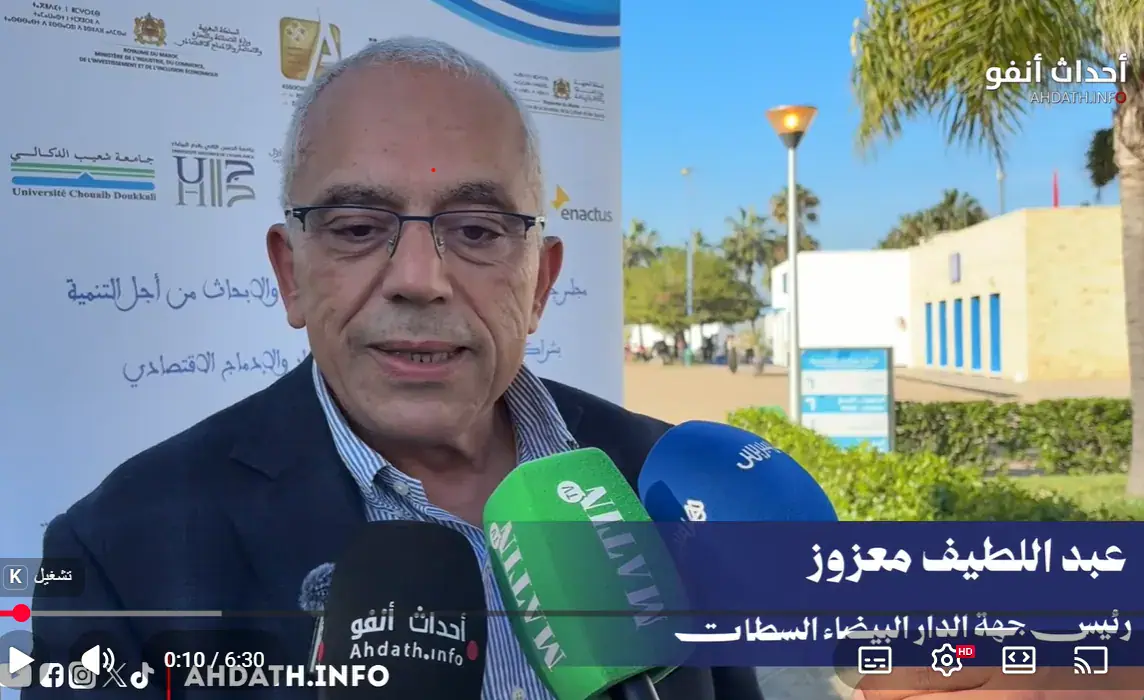
On November 21, 2026, Abdellatif Maazouz, the head of the Casablanca-Settat region, emphasized the importance of integrating young people into the economy through education and training. He highlighted several major projects aimed at this demographic, in partnership with public institutions and ministries focused on modern technology, craftsmanship, and traditional industries. These projects include programs with the Mohammed V Foundation, providing financial support to nearly 250 young individuals.
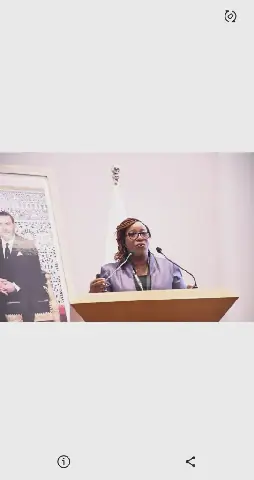
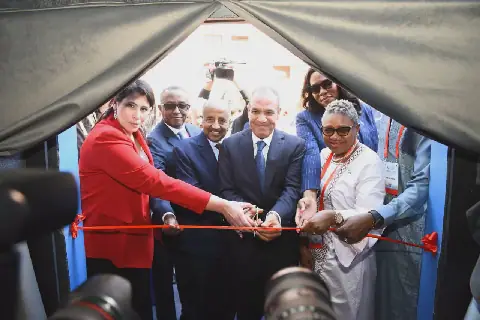
Maazouz made these remarks during the fifth regional meeting in Bouznika, which focused on the economic integration of Casablanca-Settat youth. He stressed that digitization and artificial intelligence are opening up new job opportunities that can be accessed with minimal resources, sometimes even from home. He encouraged young people to build greater trust between project holders and institutions, noting that available resources are substantial but require more effective mechanisms for promotion and utilization.
A field study conducted among 275 young people in the Casablanca-Settat region revealed a high desire for economic engagement and entrepreneurship. However, this desire is often hindered by a lack of professional experience, limited financing, and public programs that seem disconnected from the youth's reality. The study showed that 86.9% of respondents are familiar with the Vocational Training and Employment Promotion Office, but only 7.3% have actually benefited from its programs.
The Casablanca-Settat region is a significant economic hub, accounting for 32.3% of Morocco's GDP and 47.1% of its industrial added value. The region is home to 29.6% of the population aged 15-34 and 21.5% of Morocco's university students. However, the study revealed disparities in integration opportunities within the region, with opportunities concentrated in the Casablanca-Nouasseur axis.
The study identified several obstacles to youth integration, including a lack of experience, inadequate training for job market needs, and limited access to financing. It also found that 92% of respondents intend to start their own businesses or engage in entrepreneurial activities, but 69.8% see financing as a significant barrier. The digital sector is viewed as a promising area, with 93.5% of respondents considering it a promising sector.
Despite these challenges, young people in the region remain relatively optimistic about their economic integration, with 64.7% believing their future is good or very good. However, only 26.2% feel prepared and integrated upon completing their studies. The study proposed several recommendations, including establishing a regional charter for youth employment and creating a regional fund to finance entrepreneurship.
The study concluded that the challenge extends beyond providing job opportunities to changing the relationship between young people, public institutions, and the job market. It emphasized the need for a transition from a culture of knowledge transmission to one that focuses on strengthening employability, entrepreneurial spirit, and close support. The study suggested that the Casablanca-Settat region's council and authorities should lead a unified institutional effort to implement these recommendations in partnership with various stakeholders.
Key points
- Moroccan authorities are encouraging young people in the Casablanca-Settat region to seize cultural job opportunities.
- A field study revealed a high desire for economic engagement and entrepreneurship among young people, but highlighted obstacles such as limited experience and financing.
- The study proposed recommendations, including establishing a regional charter for youth employment and creating a regional fund to finance entrepreneurship.
Reporting sources
- معزوز يدعو شباب الدار البيضاء سطات للاستفادة من فرص الشغل في الميدان الثقافي · Al Ahdath Al Maghribia