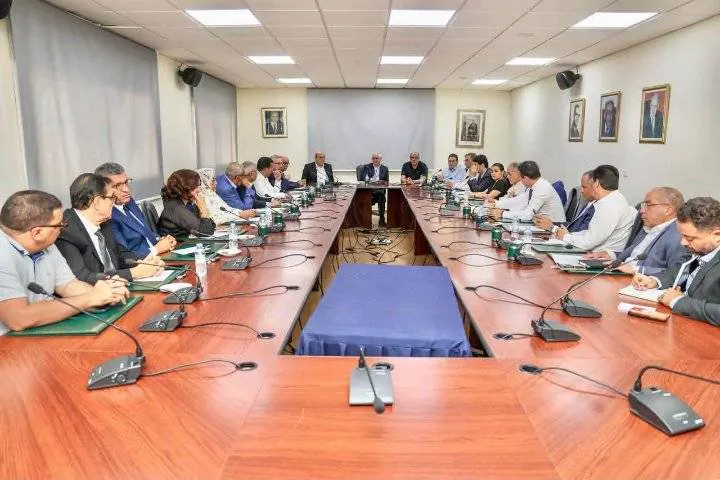
Morocco's Istiqlal Party has called for a national dialogue to restore citizens' trust in the country's political institutions. The party's executive committee made the appeal after analyzing the results of recent legislative elections. According to the committee, the low voter turnout and high rate of abstention reflect a crisis of trust in elected institutions and the political process as a whole. This trend is seen as a warning sign that requires a responsible response to address the underlying issues.
The Istiqlal Party's call for dialogue aims to bring together all stakeholders, including political parties, civil society, and citizens, to discuss ways to strengthen trust in the political process. The party believes that this dialogue is essential to address the root causes of the trust crisis and to create a new dynamic that redefines the relationship between citizens and public authorities. By doing so, the party hopes to promote a more participatory and inclusive approach to politics.
The Istiqlal Party's executive committee expressed satisfaction with the party's strong performance in the legislative elections, particularly in the southern regions of Morocco. The party's success in these areas is seen as a reflection of its strong grassroots presence and its ability to connect with local communities. However, the party also acknowledges that the low voter turnout and high abstention rate are concerns that need to be addressed.
The trust crisis in Morocco's politics is attributed to various factors, including the perceived disconnect between citizens and elected officials. Many Moroccans feel that their voices are not being heard, and that their concerns are not being addressed by the government. The Istiqlal Party's call for dialogue is seen as an attempt to bridge this gap and to create a more responsive and accountable political system.
The national dialogue proposed by the Istiqlal Party is expected to focus on several key issues, including electoral reform, transparency, and accountability. The party hopes that this dialogue will lead to concrete recommendations for improving the political process and restoring citizens' trust in institutions. By engaging in this dialogue, the party aims to demonstrate its commitment to democratic values and its willingness to work towards a more inclusive and participatory politics.
Morocco's political landscape has been marked by growing disaffection with the political process, particularly among young people. Many citizens feel that the current system is not responsive to their needs and concerns. The Istiqlal Party's call for dialogue is seen as an attempt to address these concerns and to create a more vibrant and inclusive democracy.
The success of the national dialogue proposed by the Istiqlal Party will depend on the level of engagement and participation from all stakeholders. The party's willingness to listen to citizens' concerns and to work towards a more responsive and accountable political system is seen as a positive step towards restoring trust in institutions. The outcome of this dialogue will be closely watched by Moroccans and international observers alike.
Key points
- The Istiqlal Party's call for national dialogue aims to address the trust crisis in Morocco's politics.