In a significant development, the Royal Palace of Morocco issued a statement on October 30, 2026, confirming that the United Nations Security Council did not extend the mandate of the MINURSO mission in Western Sahara. This decision marks a major turning point in the long-standing dispute over the region. The MINURSO mission, established 35 years ago, was inherited from a bygone era and had become an instrument for internationalizing the regional conflict.
The non-renewal of the MINURSO mission implies that the presence of the mission in the southern regions of Morocco, including its personnel, vehicles, equipment, and symbols, should come to an end in the coming days. This move is seen as a significant shift in Morocco's approach to the issue, transitioning from a mere management of the situation to a new approach based on a profound transformation of the determinants. The decision also signals the end of the MINURSO mission's role in the region.
The MINURSO mission was established to oversee a ceasefire and facilitate a peaceful resolution to the conflict. However, Morocco views the non-renewal of the mission's mandate as a clear indication that the international community no longer sees the need for the mission's presence. This development is seen as a significant achievement for Morocco, which has long argued that the MINURSO mission was no longer necessary.
The decision to end the MINURSO mission is also expected to have implications for the international community's approach to the Western Sahara conflict. The Moroccan government has stated that it will continue to work towards a peaceful resolution to the conflict, based on its sovereignty and territorial integrity. The government has also expressed its commitment to continuing dialogue with the international community to find a solution to the conflict.
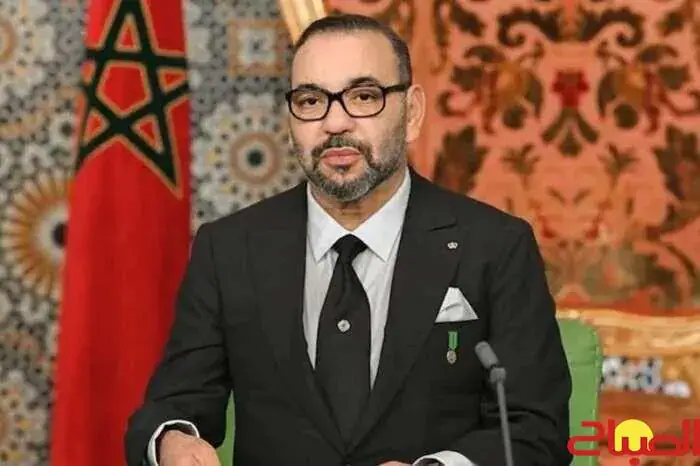
Morocco's King Mohammed VI has been instrumental in launching a new international dynamic to resolve the conflict. The monarch's initiative has already garnered significant support from the international community, with over two-thirds of UN member states, including permanent members of the Security Council and influential international powers, endorsing the Moroccan autonomy initiative.
The Moroccan autonomy initiative, which was presented as a framework for resolving the conflict, has been widely supported by the international community. The initiative proposes a high degree of autonomy for Western Sahara under Moroccan sovereignty. Morocco sees this initiative as the only viable solution to the conflict.
The end of the MINURSO mission marks a significant shift in the international community's approach to the Western Sahara conflict. Morocco has expressed its satisfaction with the decision, while reaffirming its commitment to maintaining peace and stability in the region. The government has also emphasized its determination to continue working towards a peaceful resolution to the conflict.
Key points
- Morocco's King Mohammed VI announces end of 35-year MINURSO mission in Western Sahara
- Non-renewal of MINURSO mandate marks significant shift in international approach to Western Sahara conflict
- Morocco's autonomy initiative gains widespread international support as solution to conflict