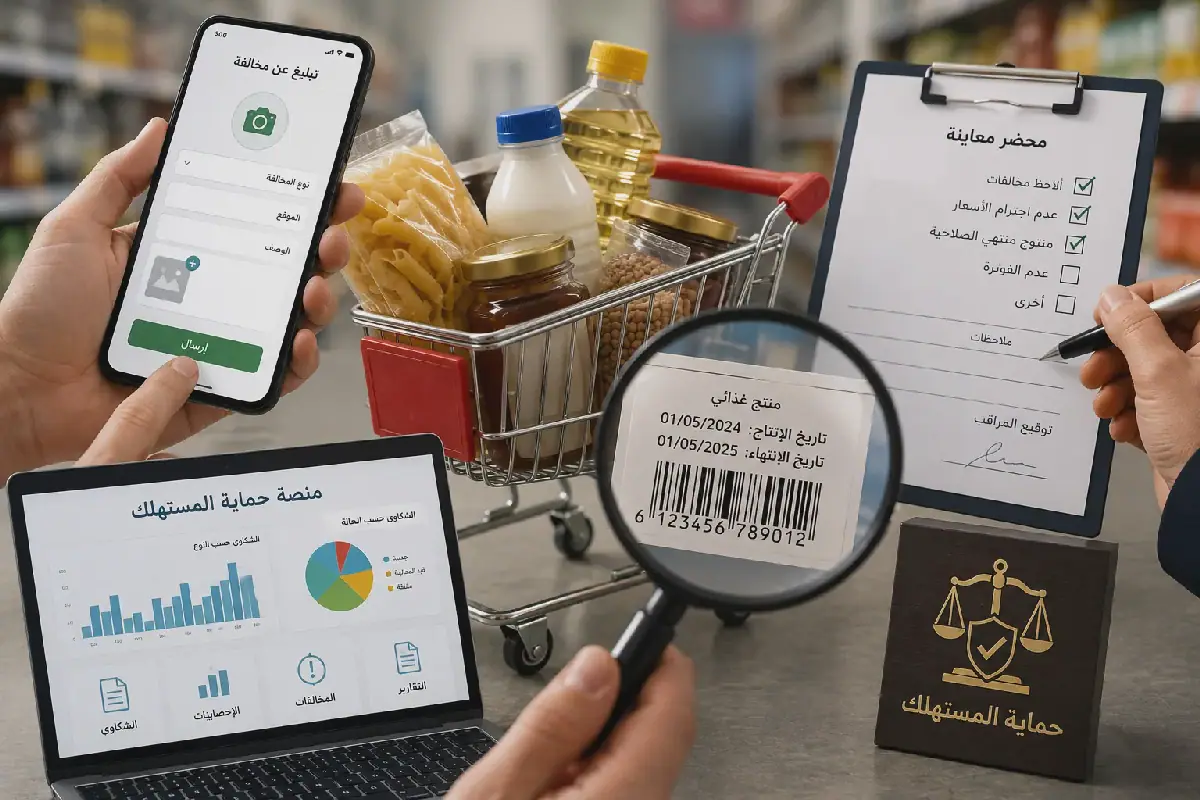
Algerian authorities are implementing a comprehensive approach to regulate the market and guarantee a steady supply of products to citizens. This involves collaboration between regulatory bodies, traders, producers, and consumer protection associations, as well as engaging citizens in reporting irregularities and unlawful commercial practices. Consumer protection groups propose strengthening oversight of commercial practices, expanding digital platforms for reporting irregularities, and activating agricultural offices.
The Algerian government aims to regulate the market by activating agricultural offices and establishing processing factories near production areas. This approach seeks to reduce losses, limit supply disruptions, and ensure products reach markets regularly. According to Krebiche Khadir, vice president of the National Union for Consumer Protection, protecting purchasing power is a shared responsibility that requires cooperation between public authorities, regulatory agencies, economic actors, and civil society.
Krebiche emphasizes that social vigilance involves supporting these efforts by conveying field concerns and reporting irregularities, allowing for timely intervention. He stresses that market stability requires intensifying awareness campaigns on consumer rights and obligations, combating undeclared prices and unlawful commercial practices, and ensuring hygiene and safety conditions are met. The use of digital platforms, such as "Tawassal - Voice of the Consumer," will facilitate communication between consumers and regulatory authorities.
The "Tawassal - Voice of the Consumer" platform enables consumers to report concerns and irregularities in commercial spaces, providing data to identify the nature and location of irregularities. This can improve the targeting of regulatory interventions and accelerate the handling of reports. However, the effectiveness of digital oversight depends on the ease of use, clarity of reporting procedures, and protection of personal data.
To use the platform, consumers must verify the official link, review registration and reporting conditions, and avoid sharing personal data through untrusted links. They should also verify the availability of services, particularly regarding complaint follow-up and image attachment. Activating agricultural offices and public bodies specialized in organizing agricultural products and regulating the market is crucial.
Organizing the relationship between producers and distribution channels can help limit disruptions that may affect prices while ensuring a fair profit margin for farmers and breeders. Encouraging public and private investment in processing industries near major agricultural areas by establishing product conversion units, refrigeration rooms, and storage facilities can help absorb surpluses during production seasons.
Developing this production and logistics infrastructure can achieve multiple benefits, including protecting farmers' income, providing raw materials for processing industries, reducing losses, and improving the regular distribution of products. This approach serves the interests of producers, traders, consumers, and the national economy. Consumer protection groups and authorities continue to work together to enhance market regulation and ensure a stable supply of products.
Key points
- Algerian authorities are leveraging digital tools to regulate the market and ensure a stable supply of products.
- Activating agricultural offices and establishing processing factories near production areas can help reduce losses and limit supply disruptions.
- Organizing the relationship between producers and distribution channels can help limit price disruptions and ensure a fair profit margin for farmers and breeders.