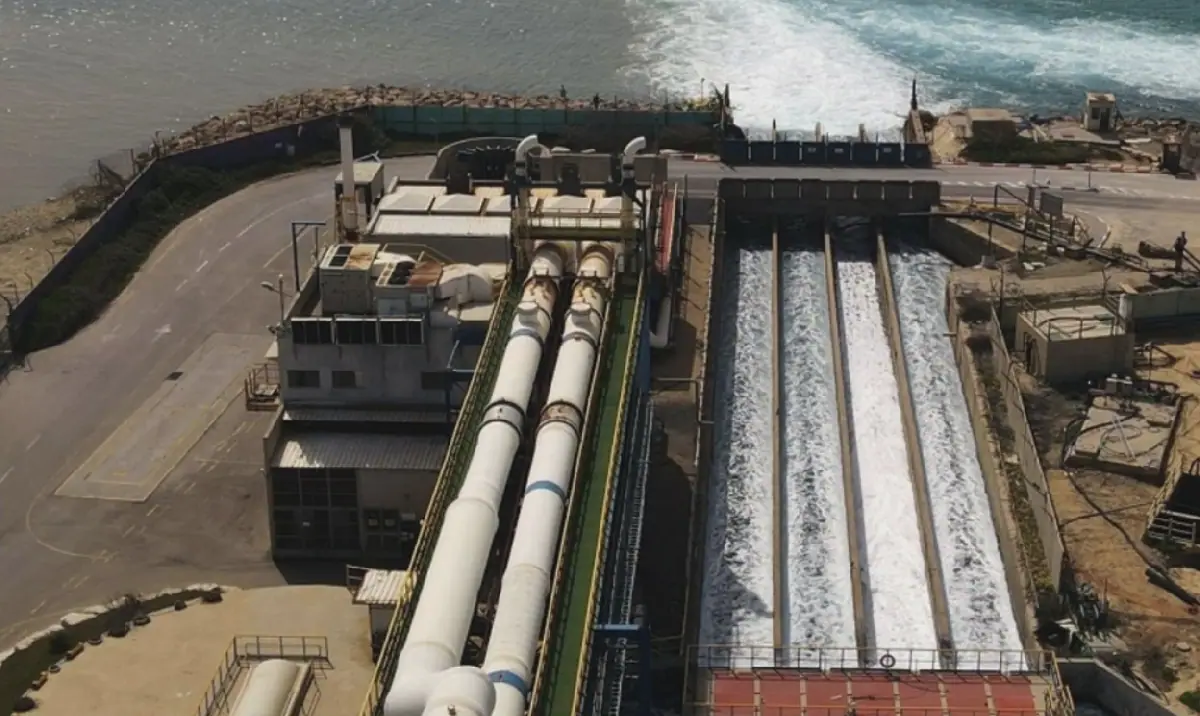
Moroccan Minister of Agriculture, Fisheries, and Food Sovereignty Khalid Hatimy has emphasized the strategic significance of the Dakhla desalination plant, a project that aligns with King Mohammed VI's vision for regional development. The plant is expected to play a crucial role in bolstering food and water security, as well as driving local development in the southern provinces of Morocco.
During a recent visit to the site, Hatimy highlighted the plant's substantial production capacity of nearly 37 million cubic meters per year. Of this total, 30 million cubic meters will be allocated for irrigation purposes, while 7 million cubic meters will be used for potable water supply. This initiative is part of a broader effort to enhance the region's agricultural productivity and ensure a stable water supply.
The Dakhla desalination plant is anticipated to have a profound impact on the regional economy and society. According to Hatimy, the project is expected to mobilize approximately 4 billion dirhams in agricultural investments and generate annual revenues exceeding 1 billion dirhams. Furthermore, the plant is projected to create around 20,000 jobs per year, contributing significantly to local employment and economic growth.
The minister stressed that the availability of sustainable water resources will be a key driver of agricultural investment, reinforcing Morocco's food sovereignty while supporting local development and job creation, particularly among young people. This project is seen as a vital component of the government's strategy to promote economic development and improve living standards in the region.
As part of his visit, Hatimy, accompanied by a delegation including Wali of the Dakhla-Oued Eddahab region, Governor of Oued Eddahab province Ali Khalil, and ministry officials, toured the site and received a presentation on the project's various components. The delegation also engaged with local investors to discuss the project's potential and address any concerns.
The Dakhla desalination plant is a flagship project that reflects the Moroccan government's commitment to addressing the country's water security challenges. By providing a reliable source of water for agricultural and domestic use, the plant is expected to have a transformative impact on the region's economy and society.
The successful implementation of this project will not only enhance the region's water security but also contribute to Morocco's broader development goals. With its substantial investment and job creation potential, the Dakhla desalination plant is poised to become a key driver of economic growth and social progress in the region.
Key points
- The Dakhla desalination plant has a production capacity of nearly 37 million cubic meters per year.
- The project is expected to generate annual revenues exceeding 1 billion dirhams and create around 20,000 jobs per year.
- The plant will play a crucial role in bolstering food and water security, as well as driving local development in the southern provinces of Morocco.