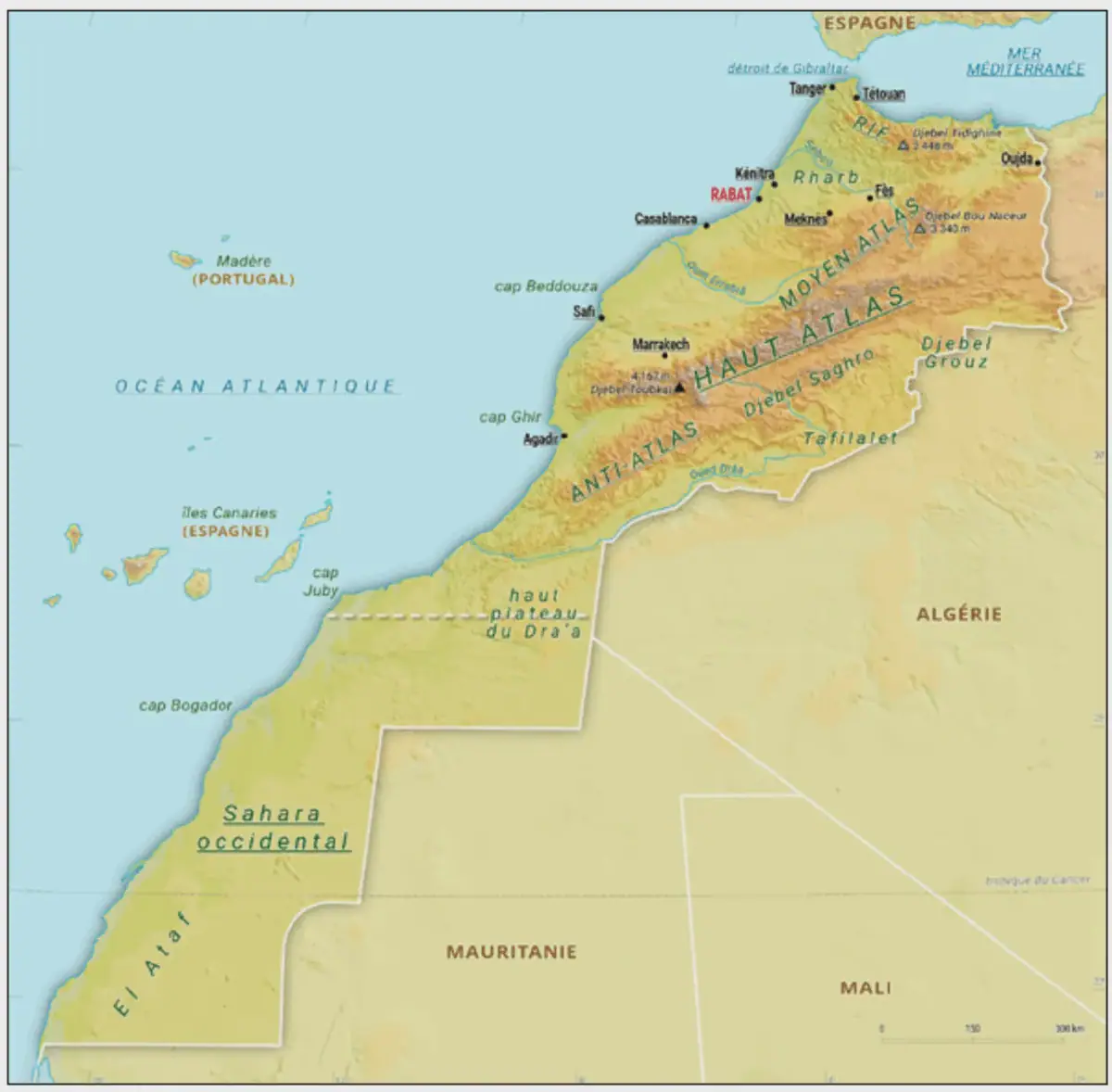
The Russian veto on October 30, 2026, blocked a US resolution that would have extended the mandate of the United Nations Mission for the Referendum in Western Sahara (MINURSO) for another year. The resolution had garnered 11 favorable votes at the UN Security Council but was ultimately vetoed by Russia, a permanent member of the council. This move has significant implications for the region, as it potentially reopens the Western Sahara conflict.
The US resolution would have made the Moroccan autonomy plan the sole basis for negotiations and transformed MINURSO into the "United Nations Mission in Western Sahara." However, Russia's veto has effectively halted this process, leaving the future of MINURSO and the Western Sahara conflict uncertain. According to Ezzeddine Zayani, a former diplomat, this development has the potential to plunge the Maghreb region into uncertainty and raises questions about the ability of Rabat to secure a legally binding agreement within the Security Council.
The Western Sahara conflict has been a longstanding issue in the Maghreb region, with Morocco and the Polisario Front, supported by Algeria, locked in a dispute over the territory. The conflict has hindered regional integration and continues to strain relations between Morocco and Algeria. Ezzeddine Zayani warns that the Russian veto may lead to an escalation of tensions, particularly with Algeria, which is likely to openly support the Polisario Front.
The veto also highlights the fragility of UN action when permanent members of the Security Council are at odds. The failure to adopt a resolution has left MINURSO without a renewed mandate, expiring on October 31, 2026. This impasse is reminiscent of other failed UN missions, such as MINUSMA in Mali, where the loss of consensus among international mediators hindered the achievement of a durable and inclusive peace.
Russia's opposition to the US resolution centered on the omission of a reference to a referendum, which has been part of MINURSO's mandate since 1991. The question remains as to why the referendum should not be maintained as a discussion option, even if its organization appears challenging today. A lasting solution to the Western Sahara conflict will require an international consensus and consideration of the aspirations of the populations concerned.
The current situation has significant implications for the Maghreb region, with potential risks extending beyond diplomacy to strategy. The ongoing conflict may reinforce sovereignty postures and further erode the idea of a unified Maghreb. According to Ezzeddine Zayani, the new Moroccan government's ability to navigate this situation and secure international support will be crucial in determining the region's future.
The Western Sahara conflict is likely to remain a source of instability in the region unless a durable solution is found. The UN's inability to overcome divisions among its permanent members has been exposed once again, and the situation in Western Sahara serves as a reminder of the challenges facing international diplomacy in achieving lasting peace and stability in conflict zones.
Key points
- The Russian veto has reopened the Western Sahara conflict, potentially straining diplomatic relations in the Maghreb region.
- The veto has highlighted the fragility of UN action when permanent members of the Security Council are at odds.
- A lasting solution to the Western Sahara conflict will require an international consensus and consideration of the aspirations of the populations concerned.