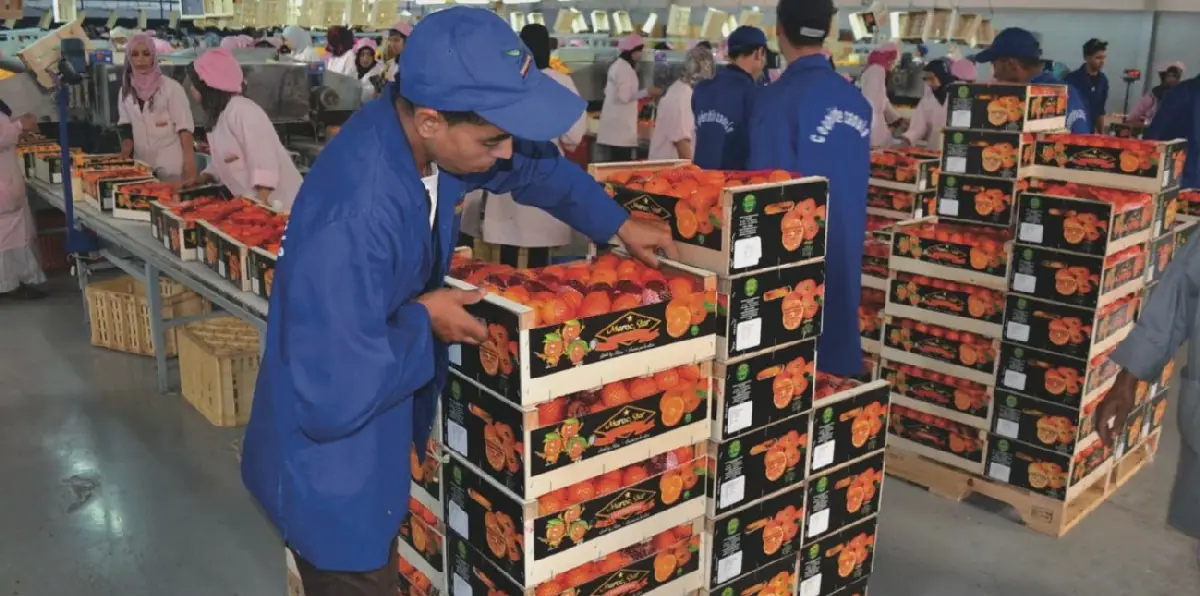
Moroccan Minister of Economy, Fouzi Lekjaa, highlighted the necessity of regulating and framing food product exports to meet local market demands and ensure the availability of essential products at reasonable prices. This statement was made during a discussion on the 2027 finance bill at the Chamber of Representatives. Lekjaa emphasized that regulating exports is crucial to address the needs of the local market.
Lekjaa explained that combating rising prices requires a combination of measures, including regulating exports, modernizing wholesale markets, and reforming marketing channels for meat and fish products. He noted that after seven consecutive years of drought, it is not feasible to double export volumes while the domestic market experiences a surge in prices. This approach aims to ensure that citizens have access to daily necessities at affordable prices.
The minister stressed that regulating export activities should be done in consultation with producers to guarantee the satisfaction of citizens' daily needs at reasonable prices. He clarified that this approach does not imply a return to the old model of export regulation, as embodied by the Office de commercialisation et d'exportation (OCE). Instead, the goal is to promote initiative at all levels and in all areas.
Lekjaa mentioned that 12 wholesale markets require modernization to enable traders to choose their sources of supply and set their selling prices while ensuring competition within these markets. He stated that the government's vision for managing these markets is ready for discussion. Modernizing these markets is expected to improve the overall efficiency of the food distribution system.
The minister discussed the high cost of connecting production and consumption basins, citing the inadequacy between invoicing and incurred expenses. The proposed approach involves the state guaranteeing this connection without directly taking charge of purchase and sale operations. This measure aims to reduce costs and improve the supply chain.
Lekjaa proposed establishing regional companies to connect production and consumption basins, reducing the distance between producers and consumers. He emphasized that the government remains open to proposals on the organization of this link and is willing to examine orientations with deputies and make necessary amendments. This approach is expected to improve the efficiency of food distribution.
Lekjaa stressed the importance of implementing these reforms in an integrated manner, warning that applying isolated measures could lead to a concentration of intermediation activities at a particular link. The minister's statements highlight the government's commitment to addressing the challenges facing the food sector and ensuring the availability of essential products at reasonable prices.
Key points
- Regulating food exports is crucial to ensure availability at reasonable prices in the domestic market.
- Modernizing wholesale markets and reforming marketing channels are essential to address rising prices.
- The government aims to promote initiative at all levels and in all areas to improve the food distribution system.