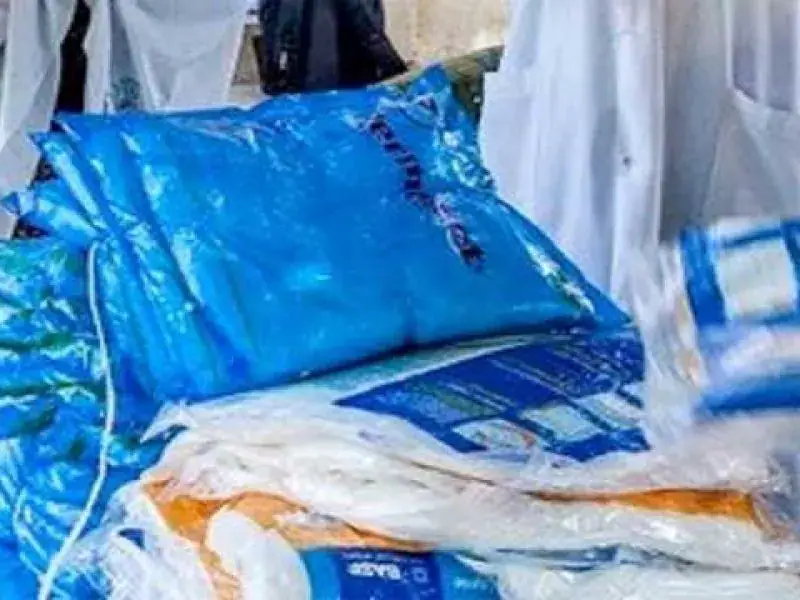
The Foundation La Vie en Famille, in collaboration with SANRU, distributed 5,000 insecticide-treated mosquito nets to displaced persons in Kisangani, Democratic Republic of Congo, on October 30. The distribution took place in the camps of Kongakonga, Simisimi, and Lubunga. This effort aims to strengthen protection against malaria, a major public health problem in the country.
The distribution was particularly significant in the Kongakonga camp, where 2,500 households received mosquito nets. The camp's leader noted that the donation came at a crucial time, as the tarps used for shelter were already damaged. He also mentioned that children in the camp are frequently affected by malaria, and resources for their care are limited.
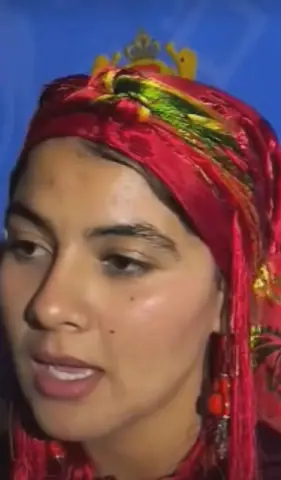
Dr. Rachel Sifa, president of the Foundation La Vie en Famille, emphasized the importance of using the mosquito nets correctly to prevent malaria. She noted that malaria poses a significant threat to children under five, pregnant women, and people living in precarious conditions. The foundation encouraged each household to use the mosquito nets every night to protect their families.
Fénelon Tshiyoyo, representative of SANRU, expressed concern about the high malaria rates in Tshopo province. He also noted that some people misuse mosquito nets, using them to protect their small gardens or for fishing. Tshiyoyo prohibited the beneficiaries from misusing the nets, stressing that they are intended to protect against mosquito bites that cause malaria.
The beneficiaries of this distribution have been displaced in Kisangani since May 2023, fleeing violence from the Mbole-Lengola conflict and allied groups. They have requested to return to their villages of origin, meeting with the Minister of Health, who is also responsible for social security.
The Foundation La Vie en Famille plans to distribute additional mosquito nets based on needs assessments. This effort is part of a broader initiative to combat malaria in the region. The organization and its partners continue to work towards reducing the incidence of malaria and improving the health and well-being of displaced persons.
The distribution of mosquito nets is a timely intervention, as the rainy season in Kisangani creates ideal breeding conditions for mosquitoes. By protecting displaced persons from malaria, the Foundation La Vie en Famille and SANRU aim to reduce the burden on local health systems and promote overall health and well-being in the region.
Key points
- The distribution of 5,000 mosquito nets aims to prevent malaria among displaced persons in Kisangani.
- Malaria is a significant public health problem in the Democratic Republic of Congo, particularly affecting children under five, pregnant women, and people living in precarious conditions.
- The Foundation La Vie en Famille and SANRU will continue to assess needs and distribute additional mosquito nets to combat malaria in the region.