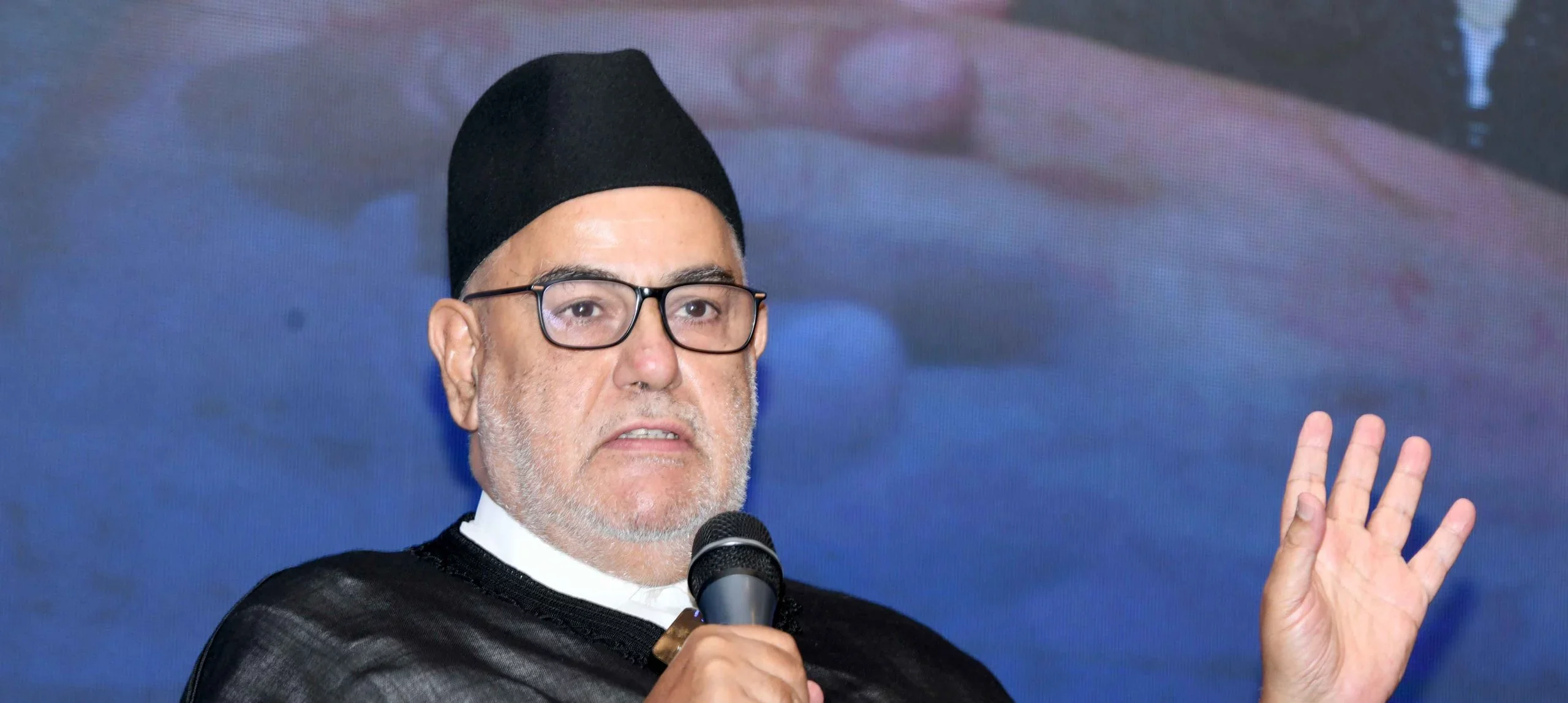
The 2026 Moroccan legislative elections have marked a significant turning point for the Islamist PJD party, with the party securing 54 seats, a substantial increase from the 12 seats it obtained in the 2021 elections. This resurgence has rekindled hopes for the party, which had experienced a significant decline in the previous elections. The PJD's performance has been attributed to the tireless efforts of its leader, Abdelilah Benkirane, who has been instrumental in revitalizing the party's fortunes.
The PJD's 2026 electoral campaign, led by Benkirane, focused on key issues that resonated with Moroccan voters, including the need for accountability and transparency in governance. Benkirane's leadership style, which emphasizes direct engagement with voters, has been credited with helping to reestablish the party's connection with its supporters. The party's improved performance has also been seen as a reflection of its efforts to adapt to the changing Moroccan political landscape.
Despite the PJD's improved showing, the party's leadership has expressed a degree of disappointment, as it had hoped to emerge as the leading party in the elections. The party's 54 seats translate to approximately 14% of the parliamentary seats, a significant presence but not enough to claim the top spot. Analysts had predicted that the PJD would make a strong showing, given the perceived weaknesses of its rivals, particularly the RNI party.
The RNI party, which has been in power for the past five years, had been expected to face significant challenges due to its handling of public affairs. However, the party's leader, Lekjaa, appears to have navigated the electoral landscape effectively, denying the PJD the top spot. The PJD's Benkirane has acknowledged the party's performance, stating that it will continue to pursue its partisan activities as usual.
The PJD's resurgence is seen as a significant development in Moroccan politics, as it provides a boost to the party's fortunes and reestablishes its presence in the country's political landscape. With 54 seats, the PJD is poised to play a significant role in the new parliament, potentially influencing key policy debates. The party's performance has also been seen as a reflection of its efforts to reconnect with its supporters and adapt to the changing Moroccan political landscape.
Benkirane's leadership has been a key factor in the PJD's improved performance, with his emphasis on direct engagement with voters and his focus on key issues resonating with Moroccans. However, the party's leadership has also faced criticism for its handling of certain issues, including the party's stance on key policy debates. The PJD's performance in the 2026 elections has set the stage for a potentially significant role in the new parliament.
The 2026 legislative elections have marked a significant turning point for the PJD party, which has experienced a resurgence in fortunes after a period of decline. With 54 seats, the party is poised to play a significant role in shaping Morocco's future, potentially influencing key policy debates and holding the government accountable. The PJD's performance has also raised questions about the future of Moroccan politics, particularly in light of the party's improved showing.
Key points
- The PJD party secured 54 seats in the 2026 legislative elections, a significant increase from the 12 seats it obtained in 2021.
- The party's leader, Abdelilah Benkirane, played a key role in the PJD's improved performance, with his emphasis on direct engagement with voters and focus on key issues resonating with Moroccans.
- Despite the PJD's improved showing, the party's leadership expressed disappointment that it had not emerged as the leading party in the elections.