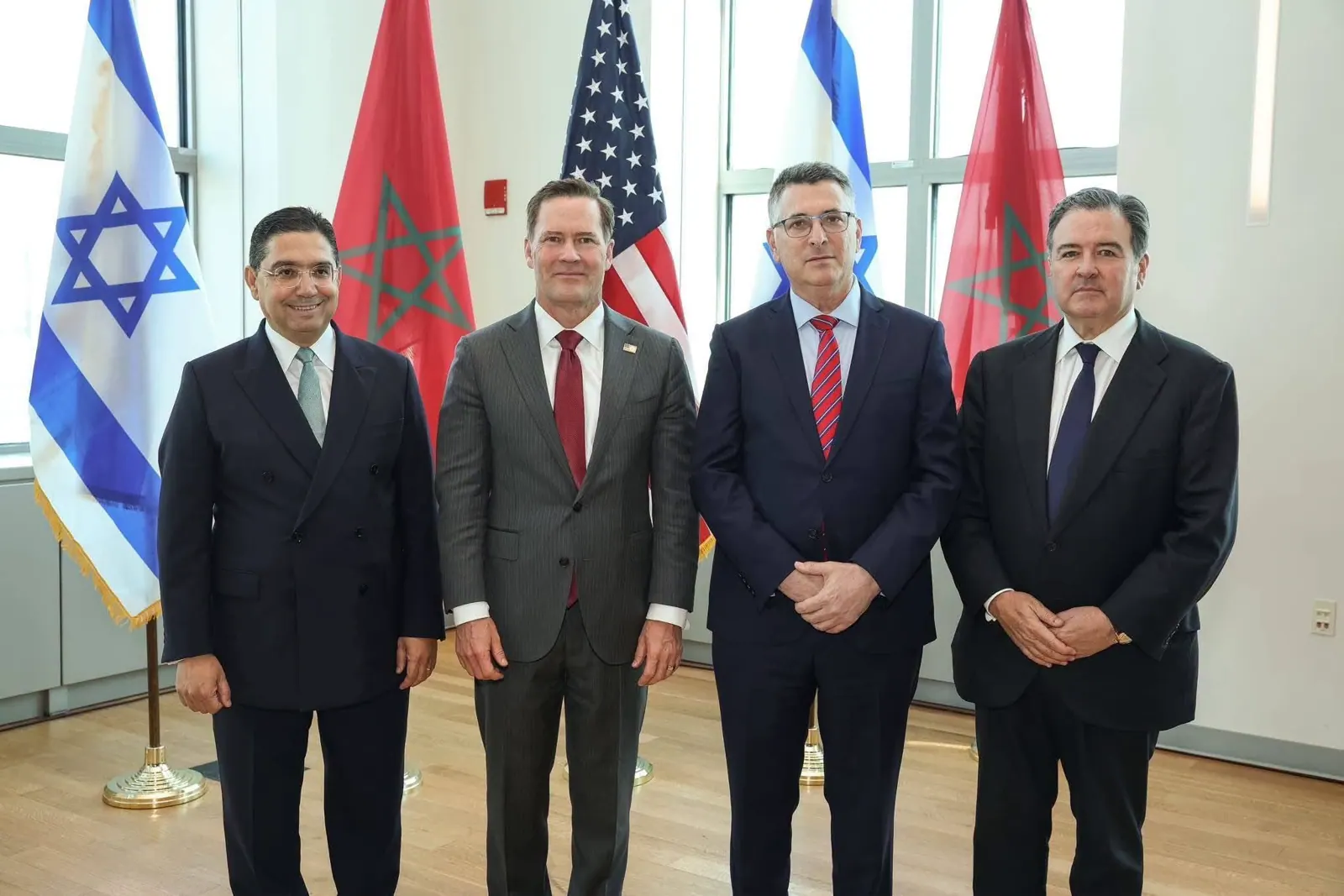
In a recent statement, Al-Tawhid wal-Islah, the advocacy arm of the PJD, expressed its opposition to Morocco's decision to upgrade diplomatic relations with Israel. The movement's executive office, led by Osama Ramal, stated that the move constitutes an "unprecedented development" and an "escalation in the normalization process." The statement emphasized that the issue of national sovereignty, particularly the Western Sahara conflict, should not be linked to normalization with Israel.
The movement's statement came in response to the recent decision to exchange ambassadors and open embassies between Morocco and Israel. Al-Tawhid wal-Islah argued that this move compromises Morocco's national security, food security, and economic interests, and damages the country's image. The movement called on Moroccan citizens to remain vigilant and form fronts to pressure the government to reconsider its decision.
Despite the strong language used in the statement, Al-Tawhid wal-Islah attempted to avoid direct confrontation with state institutions by reiterating its commitment to Morocco's sovereignty over the Western Sahara. The movement emphasized that the issue of Western Sahara is a national priority that cannot be "traded or compromised" for any other interest.
The move by Al-Tawhid wal-Islah appears to be an attempt to appease its grassroots supporters and maintain its political relevance. The movement's statement was released after Abd al-Ilah Benkirane, the general secretary of the Justice and Development Party, called on party members to refrain from commenting on the normalization issue.
Benkirane's call for silence was seen as an attempt to avoid embarrassing the government and to prevent internal conflicts within the party. However, Al-Tawhid wal-Islah chose to take a firm stance against normalization, highlighting the potential risks and consequences of this move for Morocco's national interests.
The rejection of normalization with Israel by Al-Tawhid wal-Islah reflects the complex and sensitive nature of this issue in Morocco. The movement's statement is likely to resonate with many Moroccans who are skeptical about the benefits of normalization with Israel, particularly in light of the ongoing Western Sahara conflict.
The development highlights the challenges facing the Moroccan government in navigating its relationships with Israel and other countries in the region. The government's decision to normalize relations with Israel has sparked controversy and debate within Morocco, with many citizens expressing concerns about the potential implications for national sovereignty and security.
Key points
- Al-Tawhid wal-Islah rejects Morocco's normalization with Israel, citing national security concerns.
- The movement emphasizes that Western Sahara's status is a non-negotiable national priority.
- The development reflects the complexities of Morocco's relationships with Israel and other countries in the region.