UNICEF and its partners have restored life-saving humanitarian assistance to conflict-isolated communities in Wiechjol, Akobo County, and Waat, Nyirol County, in Jonglei State. The areas had gone months without aid due to escalating conflict, displacement, and unsafe roads. This disruption affected healthcare, nutrition, water, and protection services, leaving thousands in need. The humanitarian effort aimed to address the urgent needs of these isolated communities.
Through the Rapid Response Mechanism, UNICEF delivered over eight tonnes of essential supplies to the affected areas. The aid included therapeutic food, medical items, water treatment, and hygiene kits. These supplies were crucial in addressing the immediate needs of the communities, which had been without assistance for an extended period. The delivery of aid was a significant step towards restoring essential services.
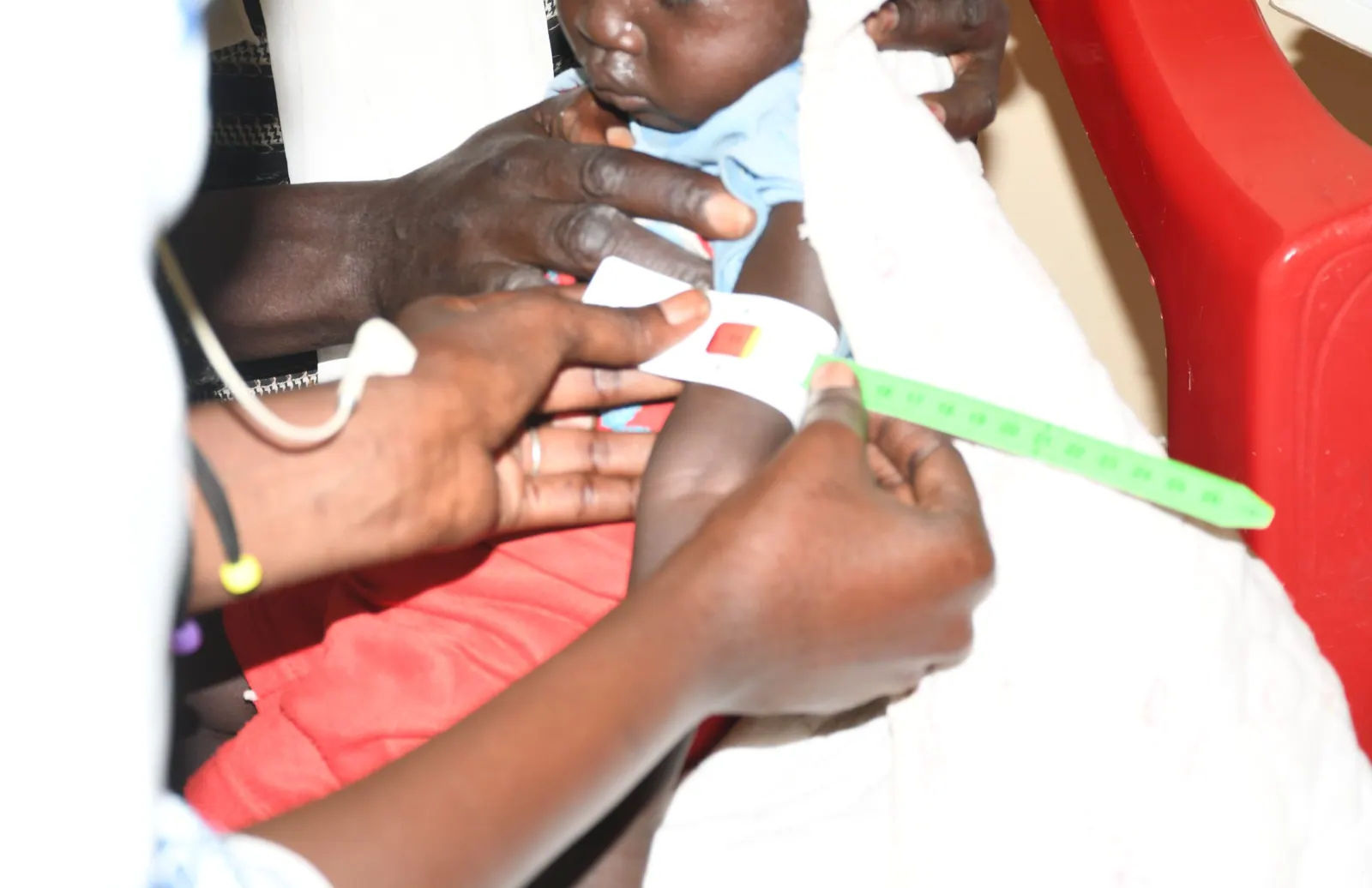
According to UNICEF South Sudan Country Representative Noala Skinner, 1,666 children under five were screened for malnutrition in the affected areas. Out of these, 146 children with severe acute malnutrition were admitted for treatment. Additionally, 602 cases of moderate acute malnutrition were identified and referred for follow-up care. This intervention was critical in addressing the nutritional needs of the children.
The humanitarian assistance also included primary healthcare services. Over 1,200 patients received treatment for various ailments, including malaria, respiratory infections, and diarrhea. This was a significant intervention, as access to healthcare had been severely disrupted in the conflict-affected areas. The provision of healthcare services helped reduce the risk of further complications and mortality.
In addition to healthcare and nutrition, UNICEF provided water, sanitation, and hygiene (WASH) services to the affected communities. 1,200 households received water filters and purification supplies, which will help improve access to clean water. Furthermore, over 2,000 people received hygiene and disease-prevention messages, which will help reduce the risk of waterborne diseases.
Despite the progress made, conditions in northern Jonglei remain critical. Recent surveys recorded global acute malnutrition rates above 40 percent in Akobo West, one of the highest rates in South Sudan. This highlights the need for sustained humanitarian assistance to address the ongoing crisis. UNICEF continues to call for safe humanitarian access and increased protection for women and children.
UNICEF's efforts in Jonglei State are part of a broader response to the humanitarian crisis in South Sudan. The organization is working with partners to ensure that life-saving assistance reaches communities affected by conflict and displacement. However, sustained funding is crucial to maintaining this response. UNICEF and its partners will continue to provide humanitarian assistance to those in need, while advocating for a peaceful resolution to the conflict.
Key points
- UNICEF delivered over eight tonnes of essential supplies to conflict-isolated communities in Jonglei State.
- 1,666 children under five were screened for malnutrition, with 146 cases of severe acute malnutrition admitted for treatment.
- Conditions in northern Jonglei remain critical, with global acute malnutrition rates above 40 percent in Akobo West.