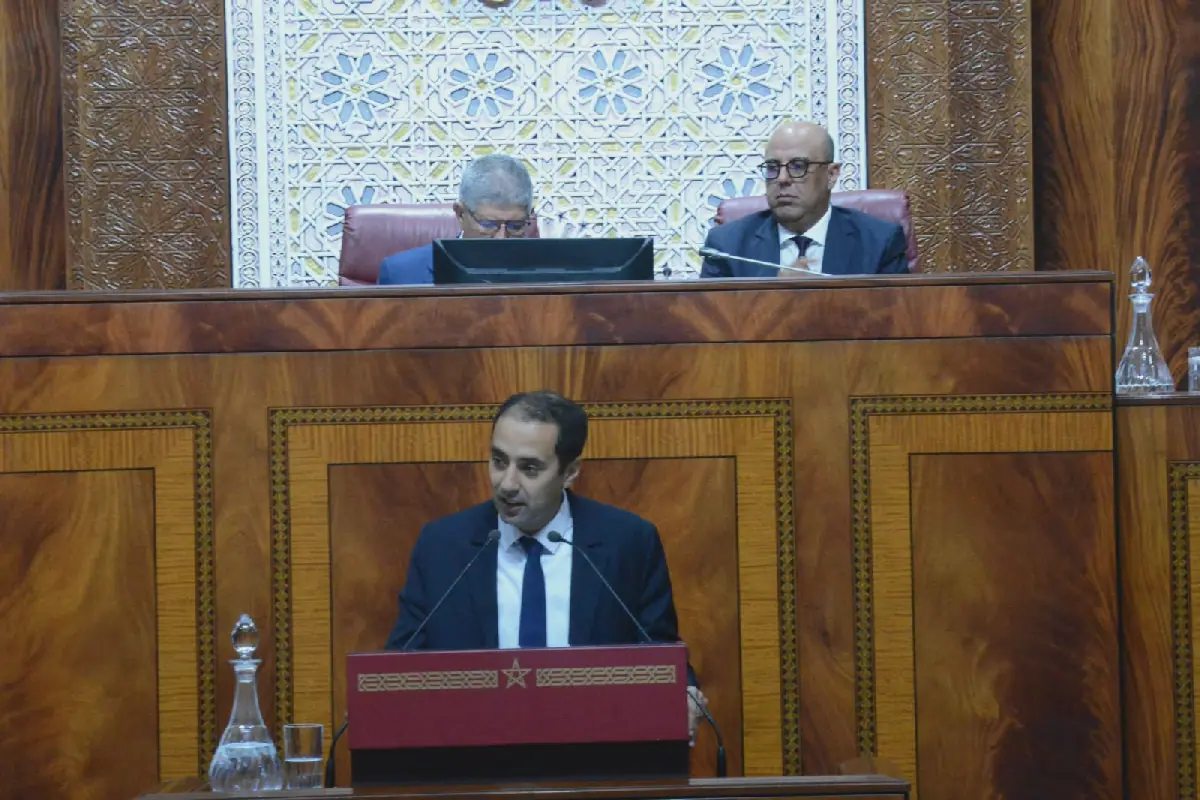
The Moroccan parliament's two chambers convened in a joint session on November 2, 2026, to discuss the latest developments in the national issue. During the session, Hassan Lashkar, leader of the Socialist group in the House of Representatives, delivered a speech on behalf of the Socialist groups. He emphasized the unwavering commitment of the Socialist Union of Popular Forces to defending Morocco's territorial integrity and supporting the just cause of the Moroccan Sahara.
Lashkar highlighted that Morocco's claim to the Sahara is a historical, geographical, and human reality, not just a political stance. He cited the historical, social, and cultural ties between the southern regions and the rest of the Moroccan people. The region has undergone significant development, transforming it into a space for investment, infrastructure, and public services, as well as political participation and democratic representation.
The speech emphasized that the progress made so far is a result of the struggle of generations of Moroccans and significant sacrifices, led by the country's monarchs, including King Mohammed V, King Hassan II, and King Mohammed VI. The current monarch, King Mohammed VI, has led the national issue with wisdom, vision, and determination, steering it towards a new phase.
The Socialist groups' speech noted that the recent decision by the UN Security Council not to extend the mandate of MINURSO is not just a procedural move, but a development with significant political and diplomatic implications. This change opens the door to transitioning from managing the conflict to completing the conditions for its definitive resolution and closing the Moroccan Sahara file within the United Nations.
The speech highlighted the contents of a statement by the Royal Palace, which carried significant implications for the transformation in the national issue. It emphasized that the phase that produced MINURSO has come to an end and that Morocco is entering a new phase that goes beyond the logic of stagnation and procrastination, moving towards resolving the issue while preserving the country's sovereignty and territorial integrity.
The Socialist groups also noted that Morocco's diplomacy, led by King Mohammed VI, has garnered broad international support for the autonomy initiative under Moroccan sovereignty. This initiative has been endorsed by over two-thirds of UN member states, including permanent members of the Security Council and influential international powers.
In conclusion, the Socialist groups called for continued national mobilization and vigilance in defending the national issue, emphasizing that this is a collective responsibility that transcends the current political context. They paid tribute to the Royal Armed Forces and the martyrs who have sacrificed for the country's territorial integrity.
Key points
- Moroccan diplomacy is driving the national issue towards a new phase of resolution
- The country's territorial integrity and sovereignty are being preserved
- International support for Morocco's autonomy initiative is growing