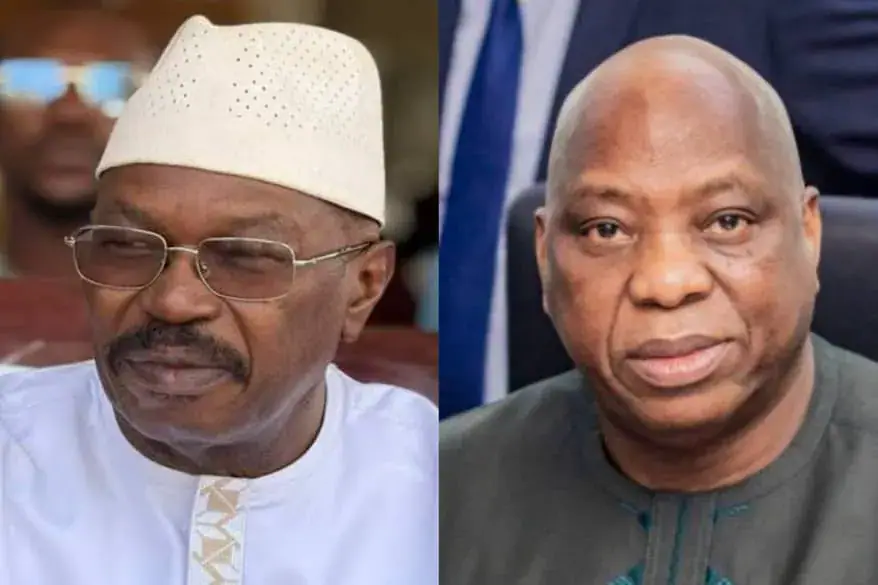
A heated debate has erupted in Guinea over the country's electricity exports, with Foreign Minister Morissanda Kouyaté firing back at critics. The controversy began when Deputy Ousmane Kaba questioned the government's handling of electricity sales to neighboring countries. Kouyaté responded by labeling those who raise concerns as "illiterates with the skin of intellectuals." The exchange highlights a deeper issue: the transparency and management of Guinea's electricity sector.
The dispute started with a query from Deputy Ousmane Kaba, who sought clarification on the financial gains from Guinea's electricity exports to Senegal, Gambia, and Guinea-Bissau. Kaba expressed concern over the paradox of Guinea exporting electricity while struggling to power its own capital. He argued that the country's energy policy appears contradictory. The Deputy President of the PADES party emphasized that Guinea is a significant exporter of electricity, yet it fails to provide reliable power to its own citizens.
Morissanda Kouyaté addressed the diplomatic corps on November 5, contesting Kaba's portrayal of Guinea's energy situation. The Foreign Minister highlighted the state of the sector when President Mamadi Doumbouya took office. Kouyaté painted a picture of a country without electricity, implying that critics like Kaba are unrealistic about the nation's energy capabilities. By characterizing them as "illiterates with the skin of intellectuals," Kouyaté intensified the verbal sparring.
The minister's remarks reflect a deeper divide over Guinea's energy policies and their effectiveness. While Kouyaté emphasized the challenges faced by the current administration, Kaba and others focus on the potential economic benefits of electricity exports. The controversy raises essential questions about the management of Guinea's natural resources and the transparency of its energy sector.
At the heart of the debate lies a crucial economic issue: the actual revenue generated from electricity exports and its allocation. The government's handling of these funds and their contribution to the energy sector remain unclear. As the discussion continues, stakeholders eagerly await clarification from economic authorities on the financial aspects of Guinea's electricity trade.
The exchange between Kouyaté and Kaba underscores the complexities of Guinea's energy landscape. The country's reliance on electricity exports, despite domestic shortages, presents a paradox that requires careful examination. As the government navigates these challenges, it must balance the need for economic growth with the imperative of providing reliable energy to its citizens.
The controversy highlights the need for greater transparency and accountability in Guinea's energy sector. As the country moves forward, it is essential that the government provides clear information on its energy policies and management. This will help build trust and ensure that the benefits of electricity exports are equitably distributed.
Key points
- The debate over Guinea's electricity exports has sparked a heated exchange between government officials and critics.
- Foreign Minister Morissanda Kouyaté has responded to criticism, labeling some critics as "illiterates with the skin of intellectuals."
- The controversy raises essential questions about the transparency and management of Guinea's energy sector.