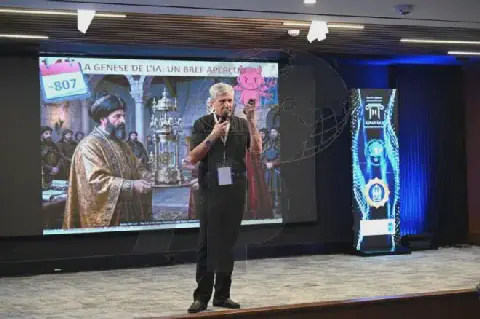
The Money Month Lesotho campaign, launched on April 9 in Mafeteng, reached 700,991 people this year, but organisers say significant gaps in financial literacy remain. The campaign, held under the theme “Smart Money Talks”, officially wrapped up at Lehakoe on Tuesday. The initiative involved various organisations within the financial sector, aiming to educate students and members of the public about financial services, budgeting, and responsible money management.
Ephraim Moremoholo of the Central Bank of Lesotho (CBL) presented a comprehensive report on the campaign, describing it as a cooperative initiative. He emphasised that financial literacy should not be treated as a once-off activity, but as a continuous journey covering financial education, capability, inclusion, stability, and well-being. Moremoholo also stressed the need to start financial conversations with children, enabling them to understand basic financial responsibilities.
The campaign reached 3,642 members of the general public, 2,205 employees, 2,050 students, and 730 out-of-school youth. A total of 19 schools participated, comprising 51% high schools and 49% primary schools. The campaign used various channels, including print media, broadcasting, digital platforms, and physical outreach, to reach its audiences. Digital platforms accounted for 677,517 people reached, while Facebook reached 14,847 people.
The strongest audience age group was between 25 and 34 years, while women accounted for 60% of the dominant gender segment. However, the campaign’s findings showed that reaching people with information does not necessarily mean that they fully understand financial products and services. Significant gaps in financial literacy were identified in areas such as investment, insurance, credit, retirement planning, and digital finance.
In investment, many people wanted to invest but did not know where to invest or understand the difference between an investment and a financial scheme. Insurance was another area where knowledge gaps were identified, with the public having greater familiarity with funeral cover than other insurance products. The campaign also found limited understanding of licensing requirements, microfinance products, and contracts.
The report highlighted over-indebtedness and a lack of emergency funds among consumers, as well as limited knowledge about pensions and retirement planning. The banking sector also faced an information gap, with consumers having limited awareness of the range of banking and investment products available to them. Digital finance was identified as another area requiring greater attention, with the need for increased confidence and training in the use of digital financial platforms.
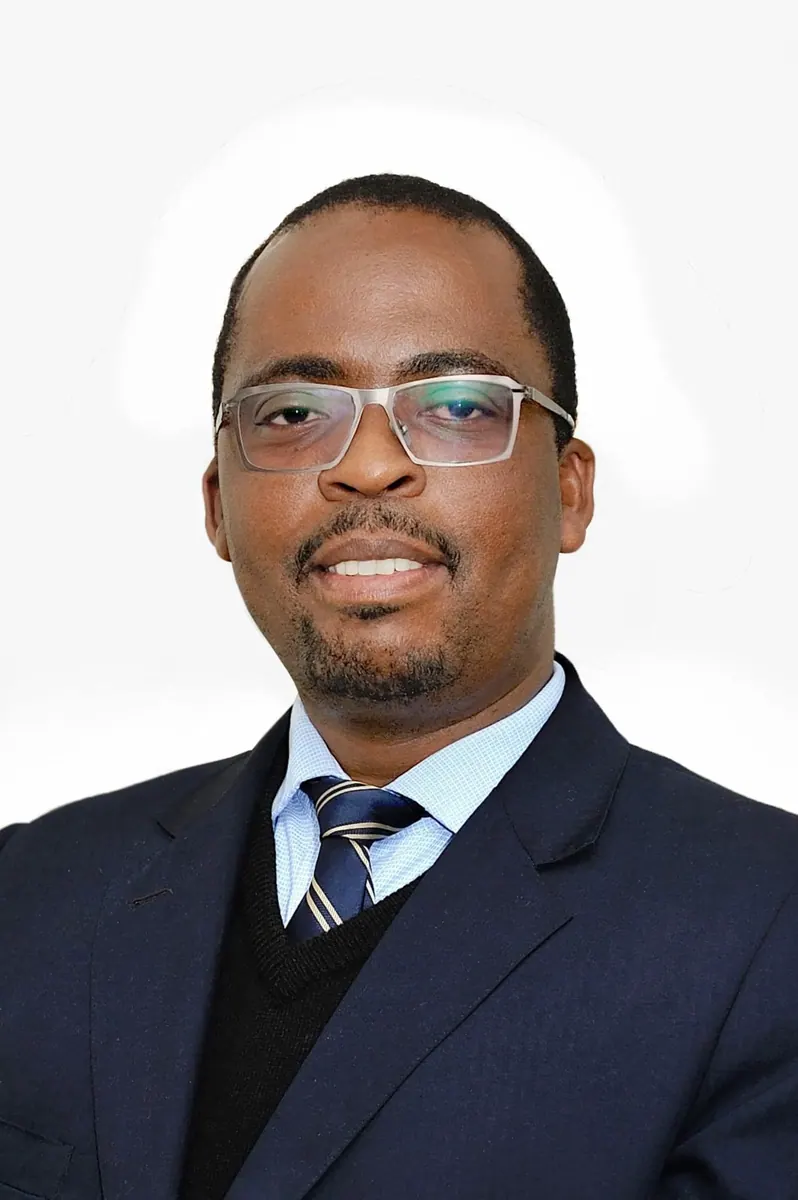
On behalf of the financial sector, the Governor of the Central Bank of Lesotho, Dr Maluke Letete, highlighted the importance of open financial communication between spouses. He encouraged couples to disclose loan commitments to each other to avoid misunderstandings and frustrations at home when it comes to money matters. The Governor also reminded the public that it is essential to involve children in discussions about family finances.
Key points
- The Money Month Lesotho campaign reached 700,991 people, but significant gaps in financial literacy remain.
- Financial literacy gaps persist in areas such as investment, insurance, credit, retirement planning, and digital finance.
- The campaign highlighted the need for continued education to help consumers understand and confidently use financial products and services.