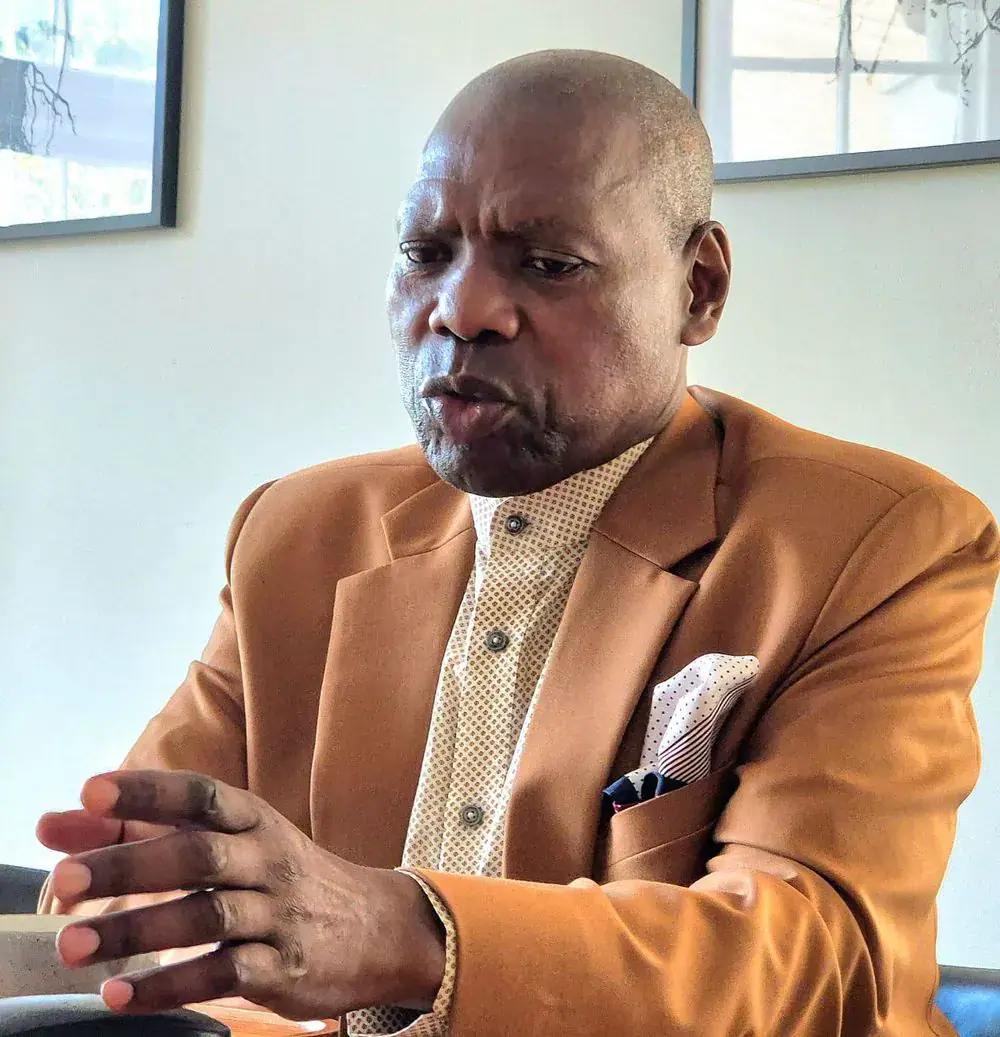
The growing prevalence of coalition governments in South Africa could pose significant challenges for municipalities after the November 4 local government elections. Dr. Zweli Mkhize, chairperson of Parliament's Portfolio Committee on Cooperative Governance and Traditional Affairs, says coalitions are likely to become a permanent feature of local government. This makes political maturity, dialogue, and accountability essential to stable municipal governance. Mkhize held an exclusive interview with the National Media Group on the state of local government ahead of the elections.
Mkhize believes the country will likely have even more hung municipalities than the 82 recorded after the November 2021 local government elections. In 2016, there were 27 hung municipalities, and this number increased significantly in 2021. The former Cogta Minister says the luxury of a single-party majority will become scarce. He emphasizes that political parties need to develop a better understanding of coalition governance and establish clear agreements. Parties must prioritize their public commitment and remember that their primary responsibility is to the electorate.
Mkhize suggests that political parties should sign agreements and prioritize solutions over conflict. He stresses the importance of managing relationships and dialogue in coalition governments. Competing interests can complicate relations, and parties must learn to manage conflicts as they manifest into votes of no confidence. Mkhize also believes that focusing on community can help parties win over adversaries. The proposed provisions in the Coalitions Bill could help stabilize municipalities by addressing some of the political practices that have undermined coalition arrangements.
The Coalitions Bill seeks to address the abuse of motions of no confidence against mayors, shift the focus towards service delivery, and provide clarity on how soon parties can form coalitions after an election. Mkhize points to the Johannesburg metropolitan municipality as an example of the growing fragmentation of local politics. A record 84 political parties, including independent candidates, are contesting the elections in Johannesburg. This fragmentation can lead to difficulties in managing competing personalities and attempts by parties to control particular municipal portfolios.
Mkhize criticizes the lack of seriousness among some political parties and the attempts to control specific portfolios. He cites the Johannesburg Metro's situation as "dramatic," with the mayoral chain changing hands seven times since November 2021. Mkhize hopes that parties understand that people want the best people, not political bickering. He emphasizes that the priority should be service delivery. The South African Local Government Association (Salga) could assist political parties by developing guidelines for coalition governance.
Discussions have taken place about introducing an electoral threshold to limit political fragmentation and improve the functionality of municipal councils. Mkhize uses eThekwini as an example, where four parties account for 84% of the vote. An electoral threshold could potentially eliminate 11 smaller parties from representation. However, Mkhize notes that introducing an electoral threshold requires a common approach by parties. The issue of electoral thresholds was also discussed in the initial draft of the final revised White Paper on Local Government.
Beyond coalition politics, Mkhize says local government continues to be undermined by poor performance, negative audit outcomes, and maladministration. He calls on political parties to prioritize training and developing public representatives to address the widespread incompetence affecting municipalities. Mkhize emphasizes that accountability and a lack of understanding of governance responsibilities are major concerns highlighted in the Auditor-General's reports. He stresses that everyone needs to know their roles, and leaders have to oversee procurement and accountability.
Key points
- Dr. Zweli Mkhize warns that coalitions may pose significant challenges for municipalities after the November 4 local government elections.
- The proposed Coalitions Bill aims to address the abuse of motions of no confidence against mayors and shift the focus towards service delivery.
- Mkhize emphasizes the importance of accountability, dialogue, and political maturity in stable municipal governance.