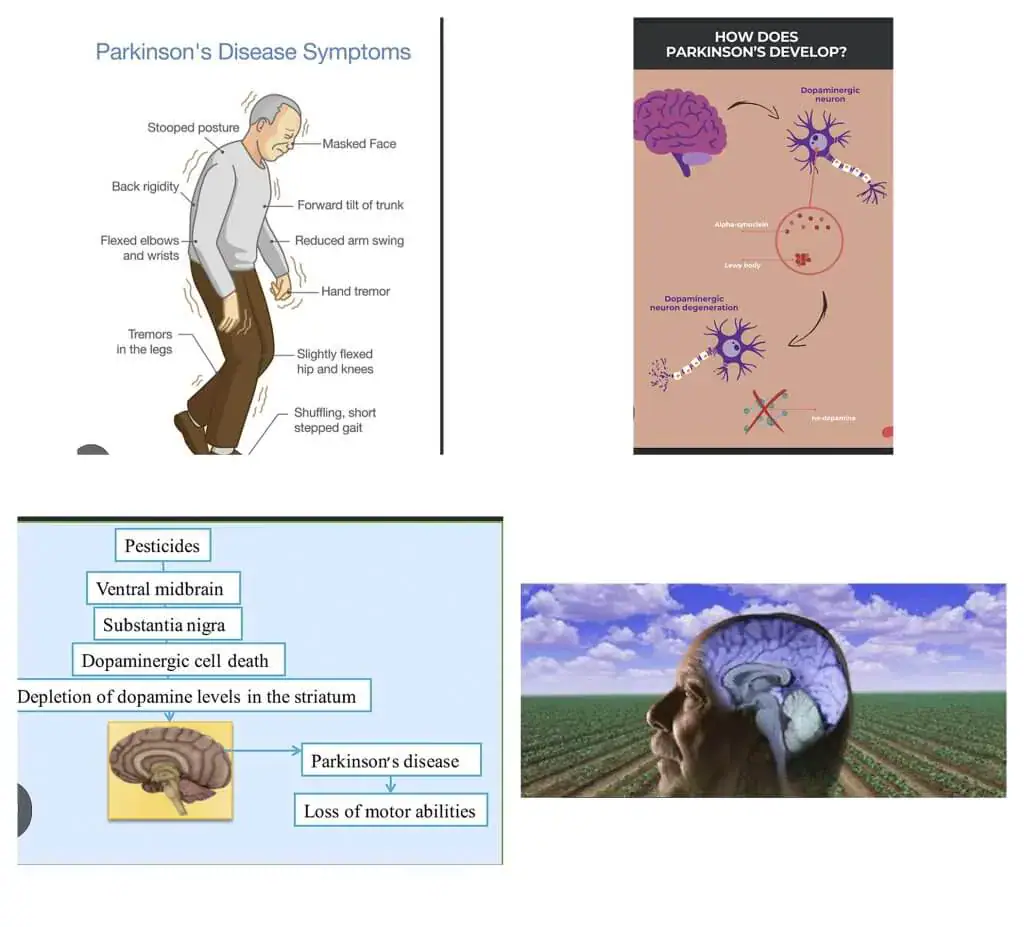
A recent investigation in Mauritius has highlighted the alarming connection between pesticide use and Parkinson's disease, a condition that affects over 12 million people worldwide. The disease, which causes tremors, stiffness, and movement difficulties, has doubled in prevalence over the past 25 years, with science pointing to environmental factors, particularly pesticide exposure, as a primary cause.
Studies have consistently shown that individuals exposed to pesticides, such as paraquat, maneb, and chlorpyrifos, face a significantly increased risk of developing Parkinson's disease. Research published in Neurology found that exposure to these chemicals can increase the risk of developing the disease by 33% to 80%. Moreover, the longer the exposure, the higher the risk, with some studies indicating a dose-response relationship.
The effects of pesticide exposure are not limited to agricultural workers; the general population is also at risk. Pesticides can contaminate air, water, and soil, affecting people who live near treated areas. In Mauritius, where agricultural lands and golf courses are often situated near residential areas, the risk of exposure is particularly high. A study published in JAMA Network Open found that living near golf courses, which often use large amounts of pesticides, can increase the risk of Parkinson's disease by 126%.
The situation in Mauritius is further complicated by the lack of research and data on the impact of pesticides on public health. Unlike other countries, Mauritius has no studies or registry of Parkinson's disease cases linked to pesticide exposure. This absence of information hinders efforts to address the issue and provide support to affected individuals.
Residents and advocacy groups are calling for immediate action to address the issue. Their demands include the recognition of Parkinson's disease as an occupational hazard, compensation for workers exposed to pesticides, and the banning of hazardous pesticides such as paraquat, maneb, and chlorpyrifos. Additionally, they are advocating for the establishment of buffer zones around agricultural areas and the implementation of regular water and soil testing.
The Mauritian government has faced criticism for its response to the issue. While the government has taken swift action in response to other health concerns, such as the recent outbreak of a livestock disease, it has been slow to address the growing concern over pesticide-linked Parkinson's disease.
As the debate continues, one thing is clear: the people of Mauritius are demanding change. They are seeking justice, recognition, and action to protect their health and environment. With the international community's growing awareness of the risks associated with pesticides, Mauritius must take concrete steps to address this critical public health issue.
Key points
- The link between pesticide exposure and Parkinson's disease is well-documented, with studies showing a significant increase in risk for individuals exposed to certain chemicals.
- Mauritius lacks research and data on the impact of pesticides on public health, hindering efforts to address the issue.
- Residents and advocacy groups are calling for the recognition of Parkinson's disease as an occupational hazard, compensation for workers exposed to pesticides, and the banning of hazardous pesticides.