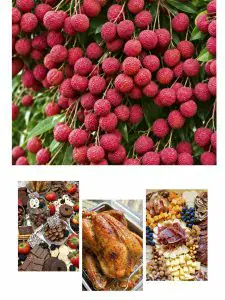
As the festive season approaches in Mauritius, a concerning reality highlights the stark contrast between abundance and scarcity. On one hand, luxurious food hampers and lavish meals are being promoted and delivered to customers. Social media platforms are filled with images of vibrant fruit arrangements and charcuterie boards, accompanied by promises of free delivery. However, this abundance stands in sharp contrast to the struggles of many children who are unable to access basic nutritious food.
Many children in Mauritius are often forced to make do with meager and unhealthy food options. A banana can cost as much as Rs 15, making it a luxury for some. Fresh fruits and vegetables, recommended for a balanced diet, are out of reach for many. The concept of a balanced diet, with "5 fruits and vegetables per day," remains a distant dream for numerous children. This limited access to nutritious food can have long-term consequences on their health and well-being.
The lack of access to basic food items is not limited to fruits and vegetables. Many children are also deprived of simple pleasures like a piece of cheese, a proper chocolate, or a warm, nutritious meal. The article highlights that some children have never even tasted a real chocolate or experienced the joy of sharing food with friends and family. This scarcity has become a harsh reality, especially during the festive season.
The situation is further complicated by the decline of community sharing and social connections. In the past, neighbors and friends would often share fruits and other food items, fostering a sense of community and togetherness. However, this practice has largely disappeared, replaced by commercialization and a focus on individualism. The loss of this communal aspect of food sharing has contributed to the isolation and hardship faced by many children.
The consequences of this food inequality can be far-reaching, affecting not only individual children but also the broader society. Malnutrition and related health issues are likely to become more prevalent, impacting the overall development and productivity of the nation. The article raises important questions about the values and priorities of Mauritian society, highlighting the need for a more equitable distribution of resources.
In contrast to the situation in Mauritius, the island of Rodrigues has implemented initiatives to address food inequality. Authorities in Rodrigues have recognized the importance of providing nutritious food to children, ensuring they receive a balanced diet and a healthy start in life. This approach has yielded positive results, and the article questions why similar efforts cannot be made in Mauritius.
As the festive season progresses, the article encourages readers to reflect on the stark realities faced by many children in Mauritius. It urges those who are able to share their blessings with others, to consider the impact of their actions on the community. By doing so, Mauritians can work towards creating a more inclusive and equitable society, where every child has access to nutritious food and a chance to thrive.
Key points
- Children in Mauritius face significant challenges in accessing basic nutritious food, exacerbating issues of malnutrition and inequality.