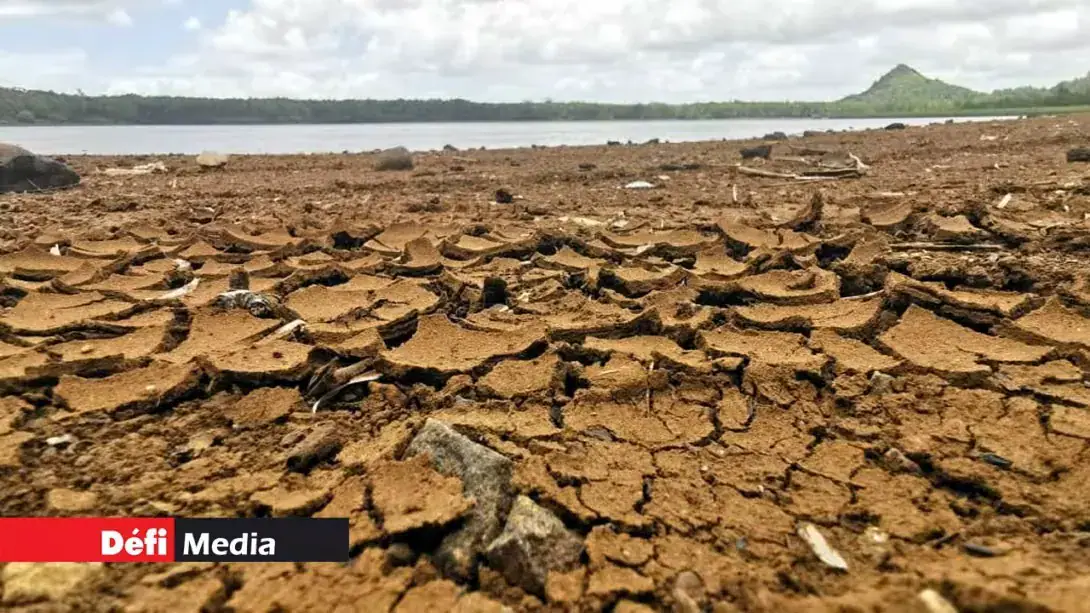
Mauritius has faced a significant drought in October 2026, with the island nation recording only 52 mm of rainfall, which is 71% of the long-term average. According to the Mauritius Meteorological Services (MMS), this makes October 2026 one of the seven driest months in 20 years. The West region was particularly affected, receiving only 8 mm of rainfall, which is 35% of its usual average.
The drought in October contrasts with the previous month, August 2026, which was one of the wettest months in 30 years. August received 137 mm of rainfall, 127% of the long-term average. The plateau central region received 210 mm of rainfall, while the North region recorded 173% of its normal rainfall. However, by September, the rainfall had returned to near-normal levels, with a total of 78 mm, 92% of the long-term average.
The MMS has expressed concerns about the upcoming summer season, predicting that Mauritius will receive around 1,100 mm of rainfall from November 2026 to April 2027, which is 80% of the normal average. Although the rainfall is expected to start earlier than usual, in the last week of November, the MMS warns that a deficit in rainfall throughout the season cannot be ruled out.
The temperatures in October were also higher than usual, with Vacoas and Plaisance recording above-average temperatures. At Vacoas, the average minimum temperature was 17.2 °C, 1.1 °C higher than normal, while the average maximum temperature was 24.5 °C, 0.4 °C higher than normal. At Plaisance, the average minimum temperature was 20.1 °C, 0.3 °C higher than normal, and the average maximum temperature was 26.8 °C, 0.2 °C higher than normal.
The MMS predicts that the temperature trend will continue during the summer season, with temperatures expected to be higher than normal. The mercury is expected to rise to over 3 °C above the monthly average on some days, with coastal areas in the west potentially reaching 36 °C. The combination of heat, humidity, and weak winds from December to March may lead to severe discomfort, particularly for vulnerable individuals.
The El Niño phenomenon, which emerged in June 2026 and has reached a strong intensity, is expected to continue to strengthen during the summer season. This is likely to contribute to the hot and dry conditions in Mauritius. The MMS has warned that despite the predicted deficit in rainfall, episodes of heavy rainfall, thunderstorms, and intense showers are still possible.
The drought in Mauritius has significant implications for the island nation's water supply and agriculture. The government and authorities will need to take measures to mitigate the effects of the drought and ensure that the population has access to sufficient water and other essential resources. The situation will need to be closely monitored, and contingency plans put in place to address any potential water shortages or other challenges that may arise.
Key points
- October 2026 was one of the seven driest months in 20 years in Mauritius, with 52 mm of rainfall, 71% of the long-term average.
- The MMS predicts that Mauritius will receive around 1,100 mm of rainfall from November 2026 to April 2027, which is 80% of the normal average.
- The El Niño phenomenon is expected to continue to strengthen during the summer season, contributing to the hot and dry conditions in Mauritius.