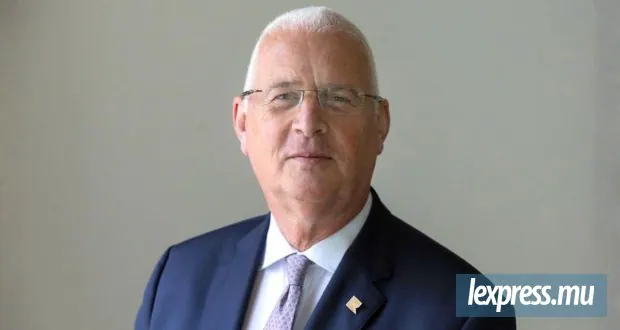
The banking sector in Mauritius has undergone a significant transformation over the past decade, driven by the country's ambition to become a leading financial platform between Africa, Europe, India, and the Middle East. According to Jamie Simmonds, Chief Executive Officer of Access Bank UK and shareholder of AfrAsia Bank, this transformation has enabled the sector to provide a range of services, including trade finance, structured investment solutions, and advisory services, to facilitate trade and investment in the region. This development has allowed Mauritian banks to support businesses in navigating complex international environments.
Mauritius's strategic location, stable political and economic environment, and network of agreements to avoid double taxation and investment treaties have made it an attractive destination for international businesses. The country's financial services sector is expected to further develop specialized services, digital finance, and investment facilitation mechanisms between 2025 and 2030. The strategy aims to strengthen Mauritius's positioning as a financial hub, with banks playing a crucial role in facilitating capital flows and providing expertise on regulatory requirements for international investors.
The Mauritian banking sector has aligned itself with international regulatory standards, including Basel III, to enhance transparency, risk management, and investor protection. The sector has also adopted guidelines from the Organisation for Economic Co-operation and Development (OECD). By adhering to these standards, Mauritian banks aim to maintain the trust of international investors and businesses operating in the local market. Banks have invested in compliance systems, risk monitoring, and governance structures to meet regulatory requirements and improve internal processes.
Banks in Mauritius contribute to the financing of the economy by providing a range of services beyond traditional credit. They are involved in project finance, supporting small and medium-sized enterprises, and developing sectors that can generate employment and economic activity. Collaboration between banks, public authorities, and private enterprises has facilitated the implementation of long-term projects in sectors such as tourism, technology, manufacturing, and renewable energy.
The banking sector in Mauritius is increasingly integrating environmental, social, and governance (ESG) criteria into its activities. Financial institutions consider ESG factors when evaluating risks, analyzing projects, and making funding decisions. This approach enables banks to assess the exposure of projects to environmental risks and evaluate their social and governance practices. By incorporating ESG criteria, Mauritian banks aim to support sustainable development and responsible investment.
The collaboration between Access Bank UK Limited and AfrAsia Bank Limited is a notable example of the sector's efforts to strengthen financial links between Africa, Europe, and the Indian Ocean. The partnership leverages London's expertise in capital markets and Mauritius's strategic position to provide financing, wealth management, and risk management solutions to businesses and institutional investors.
As Mauritius continues to develop its financial services sector, the role of banks in facilitating trade and investment will remain crucial. The sector's ability to adapt to new technologies, integrate ESG criteria, and develop specialized services will be essential in supporting the country's ambition to become a leading financial platform in the region. With a strong regulatory framework and a commitment to international standards, Mauritian banks are well-positioned to support the growth of the economy and reinforce the country's position as a financial hub.
Key points
- The Mauritian banking sector has transformed significantly over the past decade, driven by the country's ambition to become a leading financial platform between Africa, Europe, India, and the Middle East.
- The sector has aligned itself with international regulatory standards, including Basel III, to enhance transparency, risk management, and investor protection.
- Banks in Mauritius are increasingly integrating environmental, social, and governance (ESG) criteria into their activities to support sustainable development and responsible investment.