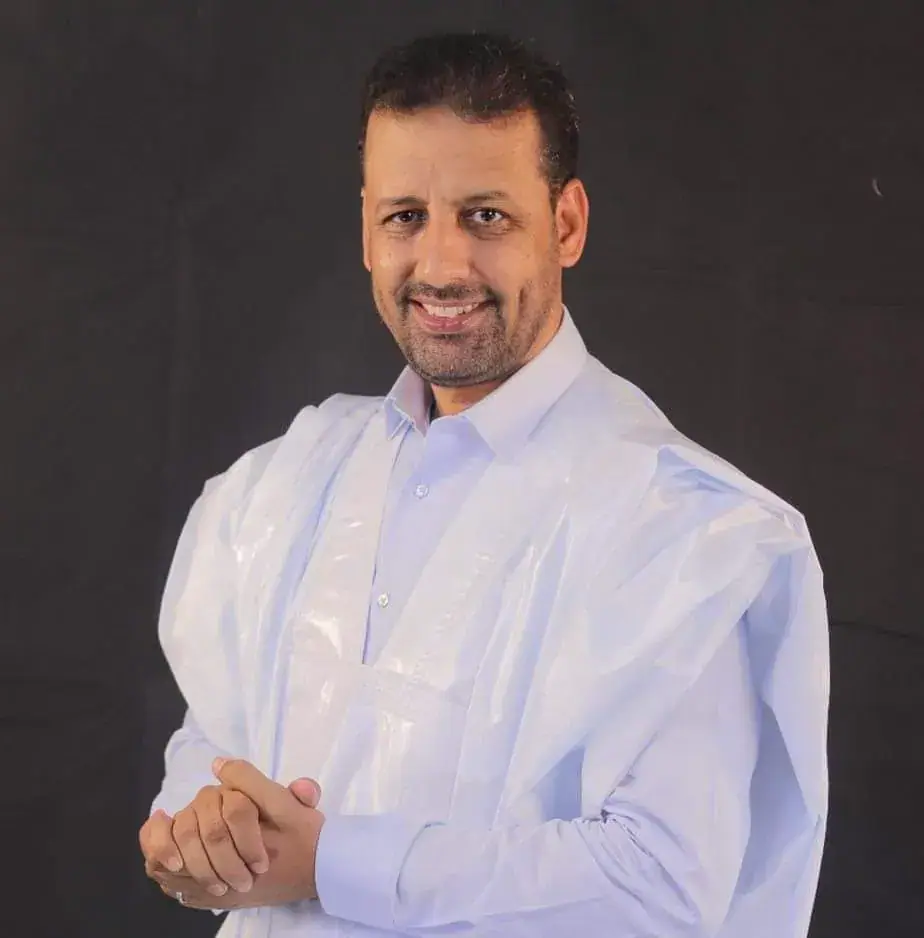
In a recent meeting, Mauritanian National Assembly President Mohamed Ould M'ekt requested a meeting with a representative, who expressed concerns about the parliament's media channel and its potential to be perceived as a personal project. The representative emphasized the importance of maintaining the channel's independence and freedom. However, the president cited financial difficulties and high media costs, despite promising to address the issue. This conversation occurred just before the channel's services deteriorated significantly.
The deterioration of the parliamentary channel's services was followed by a series of concerning events. For the first time in Mauritanian parliamentary history, a motion was raised to lift the immunity of a representative. Later, a group of national guards blocked two female representatives with parliamentary immunity from entering the assembly building. When questioned about the incident, President Ould M'ekt claimed he was unaware of the situation and that the guards did not report to him.
Tensions escalated when, on the morning of July 14, national guards stormed the parliamentary offices to forcibly remove the two representatives. This incident marked the first time in Mauritanian parliamentary history that military personnel had entered the assembly's offices. The representatives' immunity was still in effect, and the incident sparked widespread criticism.
The events have raised concerns about the erosion of freedoms and the parliament's independence in Mauritania. The situation has sparked debate about the role of the parliament and its relationship with the executive branch. Critics argue that the parliament's leadership has become increasingly subservient to the executive branch, compromising its independence.
The Mauritanian parliament's conference of presidents has come under scrutiny for its handling of the situation. The conference reportedly refused to grant a representative three minutes to discuss government policies, sparking concerns about the parliament's ability to hold the executive branch accountable. This decision has been seen as a further erosion of the parliament's independence.
The opposition has responded to the situation by boycotting parliamentary sessions. This move is seen as a strong statement about the parliament's compromised independence and the need for reform. The situation remains a subject of concern for those advocating for democratic reforms and human rights in Mauritania.
The developments in the Mauritanian parliament have significant implications for the country's democratic trajectory. The parliament's ability to function independently and represent the interests of its citizens is crucial for a healthy democracy. As the situation continues to unfold, stakeholders will be watching closely to see how the parliament's leadership responds to calls for reform and greater independence.
Key points
- The Mauritanian parliament's independence and media freedom face challenges under current leadership.
Reporting sources
- حرائق البرلمان أشد وأخطر من حرائق الكهرباء… (1) · Al Akhbar