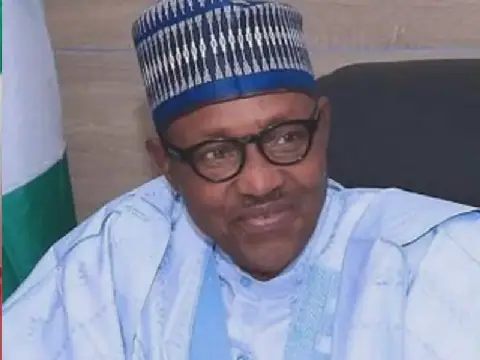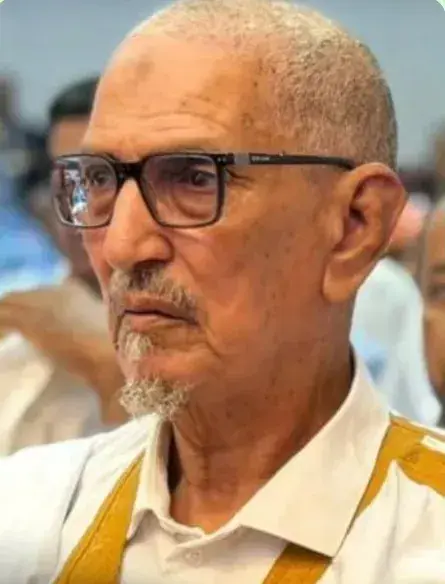
A Mauritanian journalist, Daddah Abdallah, has found himself at the center of controversy after advocating for former President Mohamed Ould Abdel Aziz to receive medical treatment abroad. In a recorded audio message, Daddah Abdallah called for the former President's right to medical care to be respected, citing his status as a former head of state, a patient, and a human being. This stance has sparked debate, with some questioning his motives and suggesting that he may be driven by financial gain.
Daddah Abdallah has since released another recording, in which he defends himself against allegations of impropriety and denies any wrongdoing. However, some have continued to express skepticism about his intentions. The journalist's reputation and character have been called into question, with some suggesting that his advocacy for the former President's medical care is not altruistic. Daddah Abdallah's supporters argue that his professional record and personal ethics speak for themselves and that he is not obligated to justify his actions to those who choose to doubt him.
As someone who has known Daddah Abdallah since the 1980s, when he first entered the journalism profession, I can attest to his diverse skills and experience in the field. He has worked as an editor, producer, presenter, and photographer, demonstrating a high level of competence in each of these roles. During a time when journalism required immense effort and broad knowledge of various professional tools, Daddah Abdallah proved himself to be a pioneer, combining multiple talents with a strong work ethic.
Daddah Abdallah's professional abilities are complemented by his exceptional personal qualities, including kindness, humility, and integrity. His colleagues and peers in the journalism community have consistently respected him for his moral character and his commitment to upholding the principles of his profession. It is unfair to reduce his career to a single statement or action, and to imply that his advocacy for a human right is motivated by personal gain.
The Mauritanian journalist's ordeal highlights a broader issue in the country, where individuals are often quick to question the motives of others and to make unfounded accusations. This culture of suspicion and skepticism can have a corrosive effect on public discourse, undermining trust and respect for others. In Daddah Abdallah's case, his reputation and character have been subject to scrutiny, with some attempting to discredit him without evidence.
Those who have worked with Daddah Abdallah and have witnessed his commitment to journalism and his personal values can attest to his integrity. His professional record and the testimonies of his peers demonstrate that he is a man of principle and conviction. It is essential to approach such controversies with a critical and nuanced perspective, avoiding hasty judgments and unfounded accusations.
Ultimately, the controversy surrounding Daddah Abdallah serves as a reminder of the importance of upholding the principles of journalism and respecting the integrity of individuals. In a profession where credibility and trust are essential, it is crucial to prioritize fact-based reporting and to avoid making unsubstantiated claims. By doing so, we can foster a culture of respect and accountability, where individuals are judged on their merits and their contributions to society.
Key points
- The Mauritanian journalist's advocacy for former President Mohamed Ould Abdel Aziz's medical care has sparked controversy and raised questions about his motives and integrity.
- Daddah Abdallah's supporters argue that his professional record and personal ethics speak for themselves and that he is not obligated to justify his actions to those who choose to doubt him.
- The controversy highlights a broader issue in Mauritania, where individuals are often quick to question the motives of others and to make unfounded accusations.
Reporting sources
- حين يساء الظن بشرفاء المهنة... · Al Akhbar