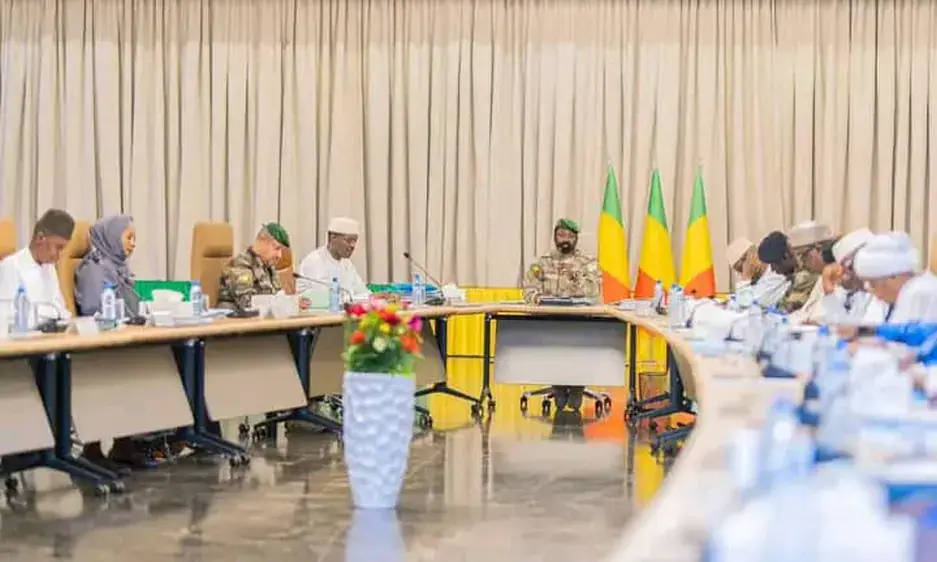
The Council of Ministers of Mauritania convened on November 13, 2026, at the Palais de Koulouba under the leadership of General Assimi GOITA, President of the Transition and Head of State. During the meeting, the Council examined several agenda items and took key decisions. These decisions included the adoption of new texts, nominations, and communications. The Council's decisions aim to improve various sectors, including urban planning, housing, and education.
One of the key decisions made by the Council was the adoption of texts regulating the profession of Ingénieur Géomètre-Topographe. The existing laws, dating back to 1997, had shown shortcomings, including fragmentation of the profession and confusion of competencies. The new texts create a unique legal framework for the profession and establish a single national order for qualified professionals in the sector. This move is expected to improve the quality of topographic and land-related work, reduce land conflicts, and enhance urban planning and governance.
The Council also adopted a decree allocating a 4-hectare plot of land in Badougou-Nafadji, Commune rurale du Mandé, to the Ministry of National Education. The plot, with a title deed numbered 283821, will be used to construct a Lycée d'Excellence. This new school will provide modern learning facilities and improve access to quality secondary education for students in the area. The construction of the lycée is part of the government's efforts to enhance education infrastructure and outcomes.
In addition to these decisions, the Council made several nominations. Seydou MALLE, an administrator civil, was appointed Secretary General of the Office central de Lutte contre l'Enrichissement illicite. Further nominations were made within the Ministry of Economy and Finance, although specific details were not provided. These appointments aim to strengthen the institutional capacity of key government agencies.
The adoption of the new texts and nominations reflects the government's ongoing efforts to improve governance, education, and land management in Mauritania. By establishing a clearer regulatory framework for the Ingénieur Géomètre-Topographe profession, the government aims to enhance the quality and security of land-related transactions and urban development projects. The construction of the new lycée will contribute to improving education standards and access.
The Council's decisions are expected to have a positive impact on various sectors, including education, urban planning, and governance. The implementation of these decisions will require effective coordination among relevant government agencies and stakeholders. The government's commitment to improving the business environment and governance is reflected in these recent decisions.
The next steps in implementing these decisions will involve collaboration between government ministries and agencies. The Ministry of National Education will oversee the construction of the Lycée d'Excellence, while the Ministry of Economy and Finance will work on integrating the new nominations into the relevant agencies. The effective implementation of these decisions will be crucial in achieving the desired outcomes.
Key points
- The Council of Ministers adopted new texts regulating the Ingénieur Géomètre-Topographe profession to improve land management and urban planning.
Reporting sources
- Communiqué du conseil des ministres du vendredi 13 novembre 2026 · Agence malienne de presse et de publicité