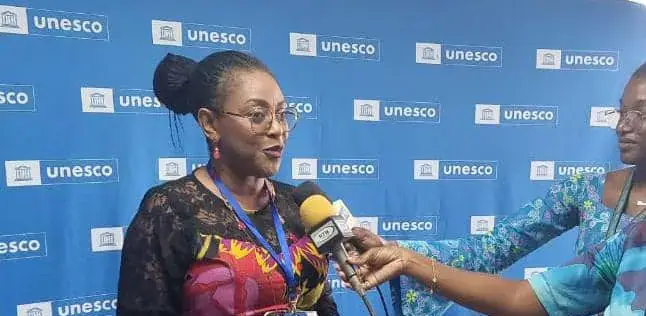
The United Nations Educational, Scientific and Cultural Organization (UNESCO) recently organized a regional workshop in Libreville, Gabon, to combat the illicit trafficking of cultural goods in Central Africa. The event, held on November 14, brought together representatives from ten Central African countries, as well as online participants from various stakeholders in the sub-region. The workshop aimed to strengthen regional cooperation against the looting and illicit trade of cultural goods.
The workshop, themed "Unir nos forces contre le pillage du patrimoine en Afrique centrale: bilan et réponses harmonisées à l’aune de la Déclaration de Libreville de 2022," focused on the current state of cultural heritage trafficking in Central Africa, challenges faced by states, and mechanisms for prevention and control. Participants included representatives from ministries of culture, customs administrations, security forces, universities, and heritage professionals.
This initiative is part of a regional awareness campaign running from October 6 to December 13, 2026. It emphasizes the implementation of the 2022 Libreville Declaration and promotes the 1970 UNESCO Convention on the means to prohibit and prevent the illicit import, export, and transfer of ownership of cultural goods. For Gabon, this mobilization is an opportunity to consolidate national heritage protection systems.
The workshop seeks to foster a collective and coordinated response against cultural heritage looting and encourage the strengthening of legal and institutional frameworks in Central African countries. UNESCO aims to support the development of national roadmaps and the establishment of networks comprising relevant stakeholders. This effort is crucial in protecting cultural heritage and promoting regional cooperation.
The Libreville Declaration of 2022 and the 1970 UNESCO Convention provide a foundation for combating the illicit trafficking of cultural goods. The convention outlines measures to prevent and prohibit the import, export, and transfer of ownership of cultural goods. By promoting these instruments, UNESCO encourages countries to develop effective strategies for protecting their cultural heritage.
The regional workshop in Libreville demonstrates UNESCO's commitment to supporting Central African countries in their efforts to protect cultural heritage. By bringing together various stakeholders, UNESCO facilitates the exchange of ideas and experiences, ultimately contributing to a more effective response to cultural heritage trafficking.
The outcome of the workshop is expected to contribute to the development of national strategies for combating the illicit trafficking of cultural goods in Central Africa. By strengthening regional cooperation and promoting the implementation of relevant international instruments, UNESCO helps countries in the region to better protect their cultural heritage.
Key points
- UNESCO organized a regional workshop in Libreville to combat the illicit trafficking of cultural goods in Central Africa.
- The workshop aimed to strengthen regional cooperation against the looting and illicit trade of cultural goods.
- The initiative promotes the implementation of the 2022 Libreville Declaration and the 1970 UNESCO Convention.