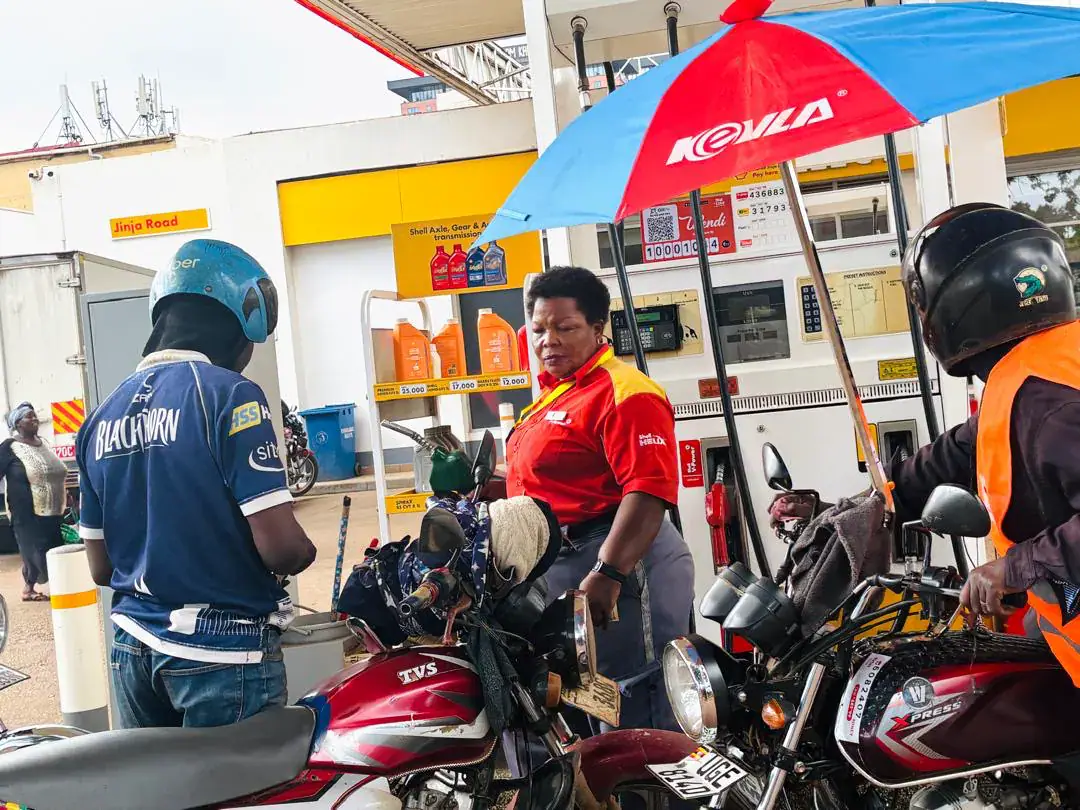
Rising fuel prices in Uganda are significantly impacting the transportation sector, making it more expensive to move people and goods across the country. Boda boda riders, taxi operators, and long-distance bus companies are feeling the strain, with some already raising fares as the festive season approaches. This increase in fuel prices is affecting not only transport operators but also passengers who are preparing for the festive season.
For Ronald Kasibante, a 55-year-old boda boda rider in Kampala, the rising fuel prices are a major concern. He has been riding a boda boda for nearly three decades and has seen his profit margins shrink. Previously, he would make around UGX 1,500 in profit per trip, but now he makes only about UGX 500. His daily collections have decreased from UGX 50,000 to UGX 40,000, which he uses to cover fuel, food, and other expenses. To keep his business running, Ronald has had to raise some of his fares.
Taxi operators are also feeling the pinch, with Muyanja Musa, the chairperson of the Kibibi–Gombe stage at Kampala’s New Taxi Park, stating that operators are paying more for fuel, tyres, and spare parts. This has resulted in lower daily collections, which have a direct impact on drivers, conductors, and vehicle owners who rely on these earnings to support their families. Musa notes that operators are aware that passengers are struggling to pay higher fares, but the rising cost of keeping taxis on the road makes it challenging to maintain the old rates.
On the Kampala–Hoima route, operator Mustaffa Katumba expects the fare to rise from UGX 25,000 to UGX 30,000 around December 15. He cites the increase in fuel and other running costs, as well as potholes and poor road surfaces, as contributing factors to the fare hike. At Namayiba Bus Park, fare boards list various routes with corresponding prices, and passengers are inquiring about prices and negotiating before making travel decisions.
The impact of rising fuel prices is also being felt by bus operators, with an employee at Itiak stating that the Kampala–Bujumbura fare has increased from UGX 120,000 to UGX 150,000. The company sometimes agrees to a lower fare after negotiation, but passenger numbers have decreased since the increase. Higher fares can result in passengers paying more than planned or changing their travel arrangements.
The Bank of Uganda has responded to the rising fuel prices by raising both the cash reserve ratio and the central bank rate. The governor stated that the increase in the central bank rate from 9.75 per cent to 12 per cent aims to curb spending by making shillings harder to access and borrowing more expensive. However, authorities are holding back from drawing on the country’s dollar reserves, citing global disruptions, particularly conflicts in the Middle East, as contributing factors to the pressure.
As the festive season approaches, passengers are reassessing their travel plans, and transport operators are deciding how much of the extra cost they can pass on. With fuel prices continuing to rise, it remains to be seen how the transportation sector will adapt to the new reality. The government hopes that its measures will bring relief, but for now, transport operators and passengers are bearing the brunt of the increased costs.
Key points
- Transport operators in Uganda are raising fares due to rising fuel prices.
- The increase in fuel prices is affecting not only transport operators but also passengers.
- The Bank of Uganda has raised the central bank rate to curb spending and address the pressure on fuel prices.
Reporting sources
- Fuel on the move — Transport operators and passengers count the cost · Uganda Broadcasting Corporation