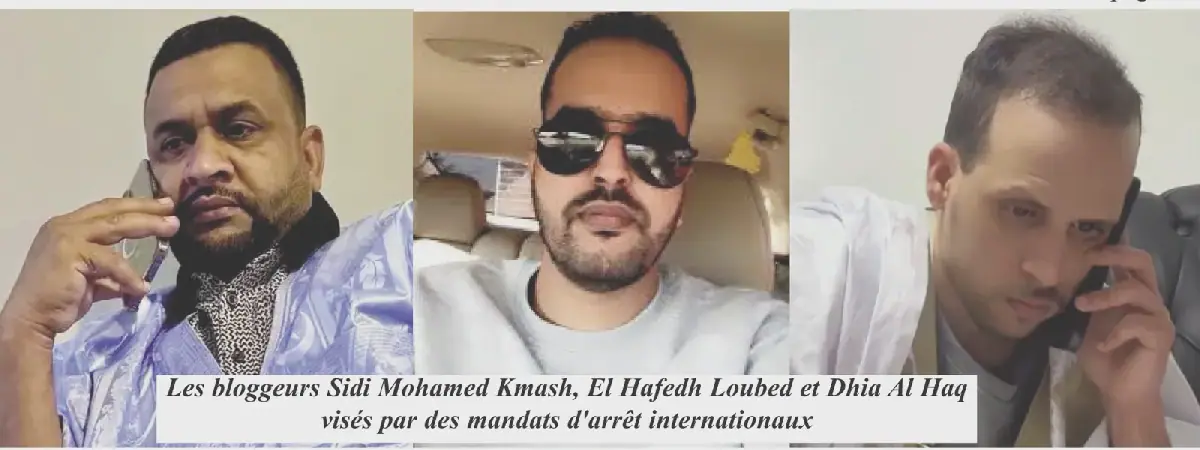
In late September 2026, Mauritania's State Security and Economic Crime Police launched an investigation into an alleged online extortion ring, leading to the arrest of several individuals. The probe has uncovered a complex network of suspects, including activists based abroad, primarily in the United States, and their local intermediaries. The case has sparked widespread attention and concern among the public and politicians.
The investigation has resulted in the arrest of 21 individuals, with seven suspects detained by the anti-terrorism unit and 14 released under judicial supervision. International arrest warrants have been issued for six individuals residing abroad, including Sidi Mohamed Kmash, Al-Hafedh Loubed, and Diyaa Al-Haq Abih. The suspects are accused of forming a criminal organization to threaten national security, inciting hatred, and spreading false information.
According to authorities, the suspects created fake news and threatened high-profile figures to extort money from them. The case has been transferred to the Nouakchott-Ouest Prosecutor's Office and is being handled by a specialized unit focused on combating terrorist crimes. The charges against the suspects include serious offenses such as money laundering and financing terrorism.
Key suspects, including Ahmed Abdawa and Abderrahmane Al-Kmash, have been identified as crucial intermediaries. Journalists Mohamed Yahya Mohamed Youssef and Mohamed Lemine Sidi Mohamed Arafa, who worked at Radio Mauritanie, were also arrested for their alleged ties to Sidi Mohamed Kmash. The investigation has revealed that some suspects received monthly payments and substantial sums of money from expatriate bloggers.
One of the suspects, Mohamed Yahya Mohamed Ahmed Sidi Yahya, has confessed to paying "monthly salaries" to bloggers and transferring over 4 million ouguiyas to Ould Kmash to withdraw defamatory publications or quell controversies related to payment applications and gold prospecting permits. The probe has also exposed the use of third-party accounts to transfer funds for buying real estate, livestock, or making subsequent transfers.
The case has sparked concerns about the use of judicial procedures to silence influential voices that expose corruption and poor governance. Opposition parties and figures, such as Deputy Biram Dah Abeïd, have criticized the investigation, suggesting it is being used to intensify repression. The Mauritanian journalism community has largely remained silent on the arrests, reflecting a climate of fear and ongoing debates about professional ethics and independence.
Many Mauritanians are demanding transparency and an end to impunity in this case, as well as others related to corruption, drug trafficking, and terrorism. To break the cycle of financial and political impunity, citizens are calling for the truth about the masterminds behind the alleged extortion ring to be revealed. The case has raised concerns about the influence of clientelism and the need for greater accountability.
Key points
- The Mauritanian government has launched an investigation into an alleged online extortion ring targeting high-profile figures.
- Seven suspects have been detained by the anti-terrorism unit, and 14 have been released under judicial supervision.
- The case has sparked concerns about the use of judicial procedures to silence influential voices that expose corruption and poor governance.