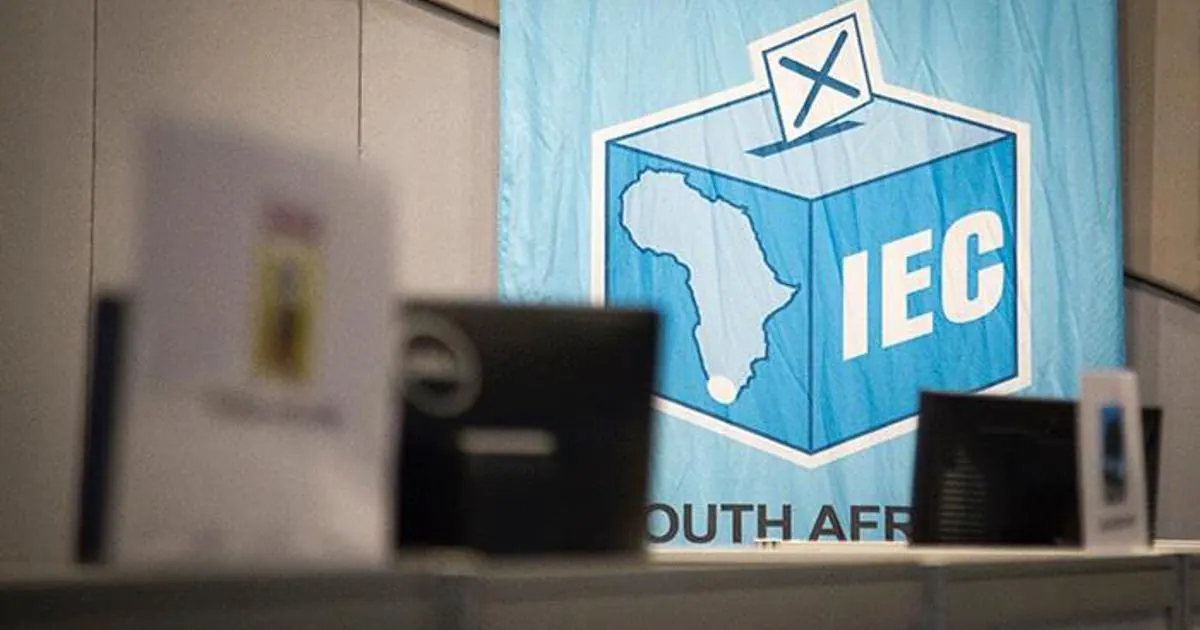
Ahead of South Africa's 2026 local government elections, a significant number of candidates have switched parties, with some moving from one end of the political spectrum to the other. Independent election analyst Michael Atkins estimates that around 10% of candidates have represented another party at some point. This movement has been described as a "sizeable" number, although not the majority of candidates. Atkins notes that this shift may reflect changing perceptions of parties.
The African National Congress (ANC) has seen the biggest net loss of candidates, with 362 individuals leaving the party. Many of these former ANC members have joined the South African Communist Party (SACP), which is contesting the elections separately for the first time in South Africa's democratic history. Atkins notes that almost 400 of the SACP's current candidates have previously represented the ANC in an election. This shift has been described as a "huge story" in this election.
The Democratic Alliance (DA) has also experienced significant movement, losing 258 candidates to other parties while attracting 237 new ones. This has left the party with a net loss of 21 candidates. However, Atkins cautions against viewing this switching of allegiances as necessarily unhealthy. He notes that this movement may reflect changing perceptions of parties and that there is often nuance within parties that is not immediately apparent.
Some of the most notable moves have been by candidates who have switched from one end of the political spectrum to the other. For example, 23 current MK candidates previously stood for the DA, while four FF+ candidates once represented the EFF. Two IFP candidates had previously been aligned with the FF+. Atkins notes that this does not necessarily mean that ideology is softening, but rather that there may be more nuance within parties than is often apparent.
Atkins believes that there is often a disconnect between the public perception of parties and the reality on the ground. He notes that social media and media presentations can create caricatures of parties, but that there is often more nuance within parties. This nuance may be reflected in the movement of candidates between parties.
The movement of candidates between parties has sparked debate about what this might mean for the elections. However, Atkins is cautious about drawing conclusions about voter behavior based on candidate movements. He notes that it is difficult to predict how voters will behave on election day and that this is a complex issue with many factors at play.
The 2026 local government elections are set to be a closely contested and complex event, with many factors at play. The movement of candidates between parties is just one aspect of this, and it remains to be seen how voters will respond on election day. Other issues, such as the performance of parties in previous elections and their policy platforms, are also likely to play a significant role in shaping the outcome.
Key points
- Around 10% of candidates in South Africa's 2026 local government elections have represented another party at some point.
- The ANC has seen the biggest net loss of candidates, with 362 individuals leaving the party.
- The movement of candidates between parties may reflect changing perceptions of parties and nuance within parties.