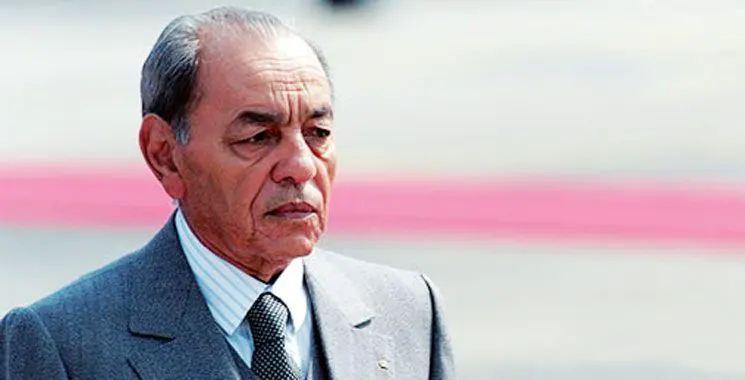
Morocco commemorates the 28th anniversary of the disappearance of King Hassan II, a monarch who left an indelible mark on the country's history. The nation pays tribute to his memory, recalling his grand work in serving the nation, just causes of the Arab-Islamic community, and global peace and security. King Hassan II was a founder of the modern state and a builder who guided Morocco towards a promising future after independence.
Upon his accession to the throne in 1961, King Hassan II adhered to the foundations established by his father, King Mohammed V, and expanded on them. He initiated projects that unified the country and elevated its status among nations. Notably, during his reign, Morocco recovered the provinces of Sidi Ifni in 1969 and Oued Eddahab in 1979, solidifying its territorial integrity. The Green March of 1975, a peaceful and iconic event, was a pivotal moment in this process.
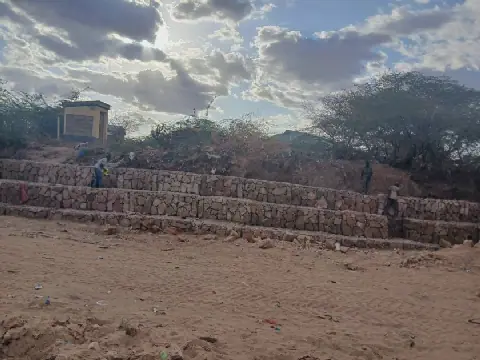
King Hassan II was a visionary who understood the importance of building a robust and independent national economy. In 1966, he launched the "dam policy," a pioneering project that ensured Morocco's agricultural and water security. This initiative, coupled with an ambitious agricultural policy, cemented the country's agricultural vocation and made it a driving force behind overall development. The king also prioritized social welfare, promoting women's rights, family values, and social housing.
Under King Hassan II's leadership, Morocco established itself as a respected player on the international stage. His charisma and diplomatic acumen earned him admiration from world leaders. Morocco played a significant role in various regional and international issues, including the Israeli-Arab conflict, UN peacekeeping missions, and the creation of the Organization of African Unity and the Arab Maghreb Union.
The late king's commitment to pan-Africanism and African unity was recognized globally. In 2022, he was posthumously awarded the Pan-African Prize by Ethiopia for his contributions to the continent's liberation and development. King Hassan II's vision for Morocco's place in the world was one of openness and balance, blending modernity with the country's Islamic, Arab, African, and Mediterranean heritage.
As Commander of the Faithful, King Hassan II advocated for Islamic unity in the face of threats to the Muslim world. Today, Moroccans commemorate his legacy, reaffirming their loyalty to the Alaouite throne and their commitment to continuing his work. The current monarch, King Mohammed VI, has built upon his predecessor's foundations, guiding Morocco towards a brighter future.
The commemoration of King Hassan II's disappearance serves as a testament to his enduring impact on Morocco. His reign marked a significant turning point in the country's history, and his legacy continues to inspire Moroccans. As the nation looks to the future, it does so with a deep appreciation for the king's vision and accomplishments.
Key points
- Morocco commemorates the 28th anniversary of King Hassan II's disappearance, honoring his legacy as a builder and leader.
- King Hassan II's vision and policies shaped Morocco's modern history, from territorial integrity to economic development and social welfare.
- The late king's commitment to pan-Africanism and international cooperation earned him global recognition and respect.