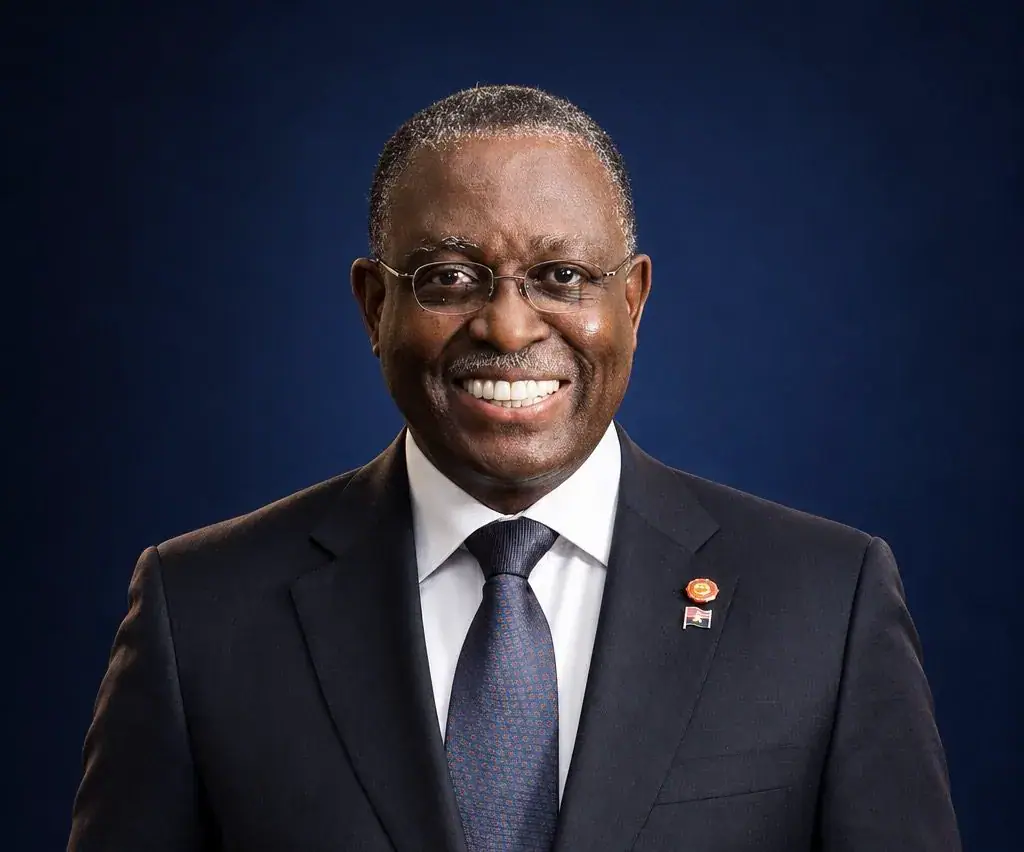
Manuel Domingos Vicente, an engineer by training, joined Sonangol in 1991 and became the president of its board of administration in 1999. He led the state-owned oil company until 2012, overseeing one of Angola's most strategic institutions. During his tenure, Sonangol significantly contributed to the country's revenue, exports, and economic financing. In 2013, the company reported $41.25 billion in consolidated sales, $7.17 billion in EBITDA, and $3.09 billion in net profit.
Under Vicente's leadership, Sonangol's financial performance was closely tied to global oil prices and production levels. In 2014, the company faced challenges, with sales declining to $36.48 billion, EBITDA decreasing to $6.27 billion, and net profit dropping to approximately $710 million, a 77% reduction from the previous year. Sonangol attributed the decline to lower international oil prices and production difficulties. Vicente's experience at Sonangol prepared him for his subsequent role in the Angolan government.
In 2012, Vicente joined the Angolan Executive and served as Minister of State and Economic Coordination before becoming Vice President under President José Eduardo dos Santos. He held the Vice Presidency until 2017, a period marked by declining oil revenues, pressure on public finances, and economic financing challenges. Vicente's trajectory has also been linked to large-scale business operations and asset-related issues that sparked investigations and public scrutiny.
Vicente's business dealings, particularly those related to oil block stakes and commercial relationships between private companies and Sonangol, have been subject to media attention. However, it is essential to distinguish between contractual amounts, actual payments made, alleged personal benefits, and facts established in court. In 2020, the Angolan Prosecutor General's office investigated alleged assets linked to previous business operations, including those connected to the China International Fund.
In March 2025, a news report mentioned an alleged loss of at least $474 million to the state, related to building contracts in Zango Zero, attributed to Vicente by the prosecution. However, Vicente was not listed as a defendant in that trial. The allegations highlight the complexities surrounding Vicente's business dealings and their impact on Angola's economy and public finances.
Vicente's rise from Sonangol's CEO to Angola's Vice President demonstrates the interconnectedness of the country's oil industry and politics. His tenure at Sonangol and subsequent government roles have been marked by significant economic challenges and scrutiny of his business operations. Understanding Vicente's trajectory provides insight into the dynamics of Angola's economy and politics.
The financial reports from Sonangol during and after Vicente's tenure underscore the company's importance to Angola's economy. The company's performance, influenced by global oil prices and production levels, has had a lasting impact on the country's economic landscape. Vicente's legacy, both at Sonangol and in the Angolan government, continues to be a subject of interest and analysis.
Key points
- Manuel Vicente's leadership of Sonangol from 1999 to 2012 positioned him for his subsequent role as Angola's Vice President from 2012 to 2017.
- Sonangol's financial performance during Vicente's tenure was significantly impacted by global oil prices and production levels.
- Vicente's business dealings and asset-related issues have been subject to investigations and public scrutiny.