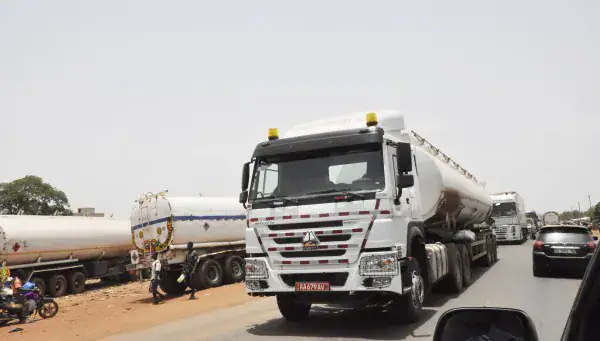
A significant convoy of 1107 tanker trucks arrived in Bamako on October 26, under the escort of Mali's armed forces, marking a substantial boost to the country's hydrocarbon supply. This development follows the announcement of 58.589 million liters of hydrocarbons being delivered to the national market in the previous week. The continued efforts to improve supply come as a relief to the nation, which has faced economic challenges and household difficulties due to shortages.
The hydrocarbon supply chain is crucial for Mali's economy, supporting transportation, economic activities, and the functioning of various services. The availability of fuel directly impacts daily commutes, goods transportation, and business operations. When supply tensions rise, the effects ripple through the economy, influencing logistics costs, worker incomes, and household purchasing power. Therefore, the gradual normalization of the supply situation is a significant economic and social issue.
According to data presented by the Directorate General of Commerce, Consumption, and Competition, 1288 tanker trucks of gasoil and supercarburant were recorded between October 16 and 22, totaling 58.589 million liters. This volume highlights the considerable efforts made to meet national market demands. The arrival of an additional 1107 tanker trucks in Bamako on October 26 further reinforces this trend, demonstrating the ongoing commitment to supplying the market.
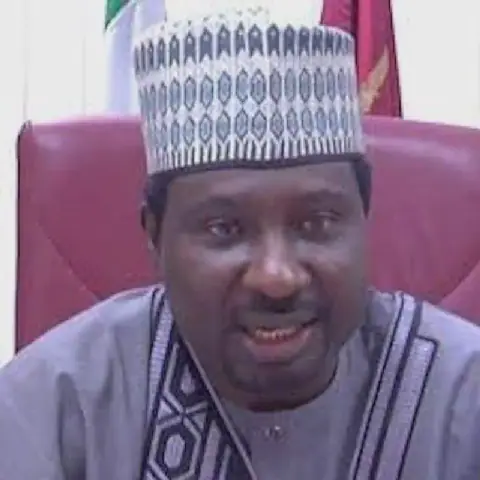
The Malian government, led by Minister of Industry and Commerce Moussa Alassane Diallo, continues to monitor the situation closely. On October 22, Diallo presided over the 37th meeting of the state and professional petroleum groupings, focusing on tracking supply and addressing challenges. The meeting underscored the importance of coordination between state authorities and sector professionals to ensure a stable supply.
While progress has been made, challenges persist, particularly in certain regions. As of October 22, the situation was normalized in most areas, except for Nara, which faced a supercarburant shortage. The minister announced measures to restore product availability in the region. Furthermore, the national regulatory stocks stood at 17.535 million liters of gasoil and 8.971 million liters of supercarburant, totaling 26.506 million liters.
Securing supply convoys remains a critical aspect of maintaining a stable hydrocarbon market. The escort provided by Mali's armed forces for the 1107 tanker trucks highlights their vital role in protecting logistics operations. The collaboration between state authorities, sector professionals, and security forces is essential for ensuring the continuity of supply and addressing potential disruptions.
As the situation stabilizes, attention turns to maintaining regularity in supply and anticipating market needs. The hydrocarbon sector requires continuous coordination between public authorities and operators to guarantee a stable supply and mitigate potential price fluctuations. The government's commitment to monitoring the situation and the collaboration with sector professionals aim to ensure that supply improvements translate into benefits for consumers, including stable prices and reduced transportation costs.
Key points
- 1107 tanker trucks arrived in Bamako on October 26, adding to 58.589 million liters delivered in the previous week.
- The hydrocarbon supply chain is crucial for Mali's economy, supporting transportation and economic activities.
- The government continues to monitor the situation closely, with ongoing coordination between state authorities and sector professionals.