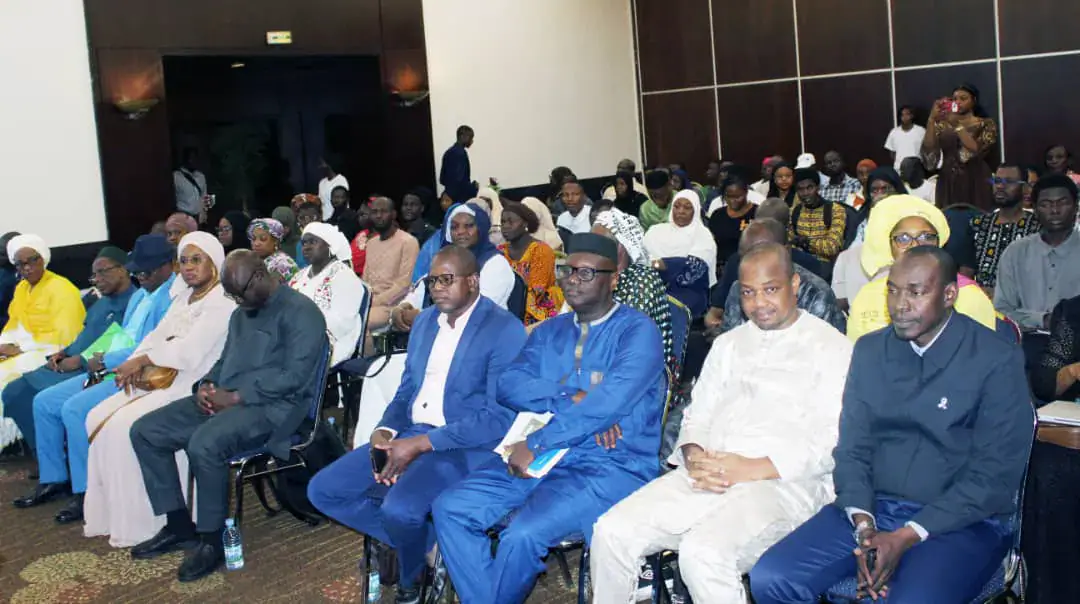
The Malian government officially launched World Antimicrobial Awareness Week on November 18, 2026, in Bamako, under the theme "One Health, One Action: Act now to prevent Antimicrobial Resistance". The event was presided over by Dr. Abdoulaye Guindo, Secretary General of the Ministry of Health and Social Development. The campaign aims to raise awareness about the growing threat of antimicrobial resistance and calls for coordinated action from all sectors.
Dr. Abdoulaye Guindo described antimicrobial resistance as one of the most serious threats to global public health, compromising the ability to treat common infections and undermining decades of medical progress. He emphasized that a sectoral approach will not be enough to combat this threat, calling for concerted action across human health, animal health, environment, and other sectors. This "One Health" approach is at the heart of the global 2026 campaign.
The Malian government has made several commitments to combat antimicrobial resistance, including strengthening surveillance of resistance and antimicrobial consumption, conducting prescription audits, and promoting proper use of antibiotics in healthcare facilities. The government also plans to regulate and gradually withdraw certain critical antibiotics for human and animal health.
Dr. Abdoulaye Guindo also called for increased awareness among healthcare professionals, farmers, producers, and the general public, and requested that ministries, technical and financial partners, and the private sector support the implementation of the national plan. He stressed the need for funding commensurate with the stakes.
Ibrahima Guindo, Director General of the National Institute of Public Health, read a message of advocacy titled "Accelerating the fight against antimicrobial resistance in Mali: commitment and financing of the National Action Plan". He noted that antimicrobial resistance is no longer a future threat but a reality already present in hospitals, health centers, laboratories, and institutions.
According to Ibrahima Guindo, certain infections no longer respond to first-line antibiotics, particularly in intensive care, pediatric, and neonatal services. The World Antimicrobial Awareness Week campaign in Mali is supported by the US government through the EpiC GHS project of FHI 360, which is the main technical and financial partner for the 2026 edition of the campaign.
The campaign aims to encourage a sense of urgency and coordination among all sectors to address the growing threat of antimicrobial resistance. The Malian government is taking steps to address this issue, including the development of a national action plan and engagement with stakeholders to support its implementation.
Key points
- The Malian government has committed to strengthening surveillance of antimicrobial resistance and promoting proper use of antibiotics in healthcare facilities.
- Antimicrobial resistance is a growing threat to global public health, compromising the ability to treat common infections.
- The World Antimicrobial Awareness Week campaign in Mali is supported by the US government through the EpiC GHS project of FHI 360.
Reporting sources
- Santé : le Mali lance la Semaine mondiale d’information sur la résistance aux antimicrobiens · Agence malienne de presse et de publicité