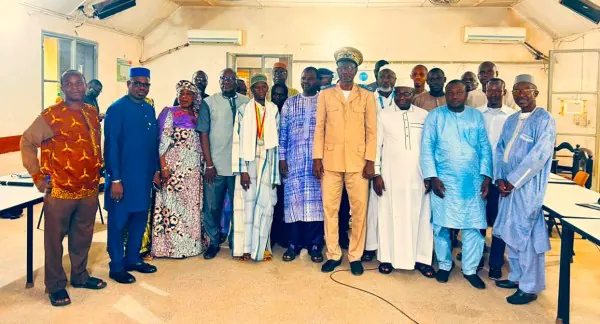
The Sikasso region in Mali has been identified as one of the areas most affected by malnutrition, particularly among children under the age of five. According to recent data, 31% of children in this age group suffer from stunted growth, while 16% experience underweight conditions. These alarming statistics were presented during the first meeting of the multisectoral coordination platform aimed at combating malnutrition in the region. The event, held in Sikasso, brought together various stakeholders, including representatives from civil society and nutrition actors.
The platform was established to strengthen coordination of interventions and reduce malnutrition in Sikasso. The meeting was presided over by Amadou Soumaré, advisor for administrative and legal affairs to the governor. Key attendees included Dr. Abdoulaye Bagayoko, a nutrition specialist with UNICEF-Sikasso, and Bakary Lamissa Coulibaly, representing the regional director of social development and solidarity economy. The gathering aimed to address the rising malnutrition rates and devise strategies for improvement.
According to Amadou Soumaré, data from the SMART survey revealed a concerning increase in malnutrition rates. Between 2023 and 2024, the prevalence of stunted growth rose from 22.5% to 34.1%, while acute malnutrition increased from 8.2% to 9.4%, with 1.1% being severe. Soumaré emphasized the need for collective mobilization and better coordination to tackle this situation. He also expressed gratitude to technical and financial partners, particularly UNICEF, for their support in improving nutrition in the region.
Dr. Abdoulaye Bagayoko highlighted that the main objective of the platform is to reduce acute malnutrition in the region. He noted that the meeting also aimed to ensure a continuous supply of nutritional inputs, such as therapeutic food and milk, for malnourished children. Bagayoko stressed the importance of making these inputs available to communities and ensuring they are used correctly by healthcare providers.
The situation in Sikasso remains a concern, with recent surveys indicating high malnutrition rates. According to the 7th demographic and health survey conducted in 2023-2024, the region continues to struggle with this issue. The platform's establishment is a step towards addressing these challenges and improving the nutritional status of the population, particularly among vulnerable groups like children and women.
The event in Sikasso is part of broader efforts to tackle malnutrition across Mali. Other regions are also implementing initiatives to address this issue, which is critical for the country's development and the well-being of its population. Collaboration between stakeholders, including government agencies, international organizations, and local communities, is seen as key to making a meaningful impact.
Moving forward, the multisectoral platform will play a crucial role in coordinating efforts to combat malnutrition in Sikasso. By working together and sharing resources, stakeholders aim to reduce malnutrition rates and improve health outcomes for children and families in the region. Key partners, including UNICEF, will continue to support these efforts, providing technical and financial assistance as needed.
Key points
- The Sikasso region has high rates of malnutrition among children under five, with 31% experiencing stunted growth and 16% underweight conditions.